


The Safety of the Sitcom Formula
The primary reason these episodes feel so reassuring lies in the very structure of the sitcom itself. A 30-minute comedy operates on a rigid, predictable framework. No matter how chaotic the Halloween party gets or how spooky the prank war becomes, we,
the audience, know that everything will be resolved by the final scene. This predictability is a powerful source of comfort. In a world full of genuine uncertainty, the sitcom format provides a guaranteed return to normalcy. The haunted house in Modern Family or the zombie outbreak at Greendale in Community are thrilling, but they exist within a safe container. The knowledge that our beloved characters are not in any real danger allows us to enjoy the spooky aesthetics without any of the real-world anxiety that true horror can provoke. It’s a controlled dose of fear, one where the outcome is never in doubt.
Familiar Faces in Silly Masks
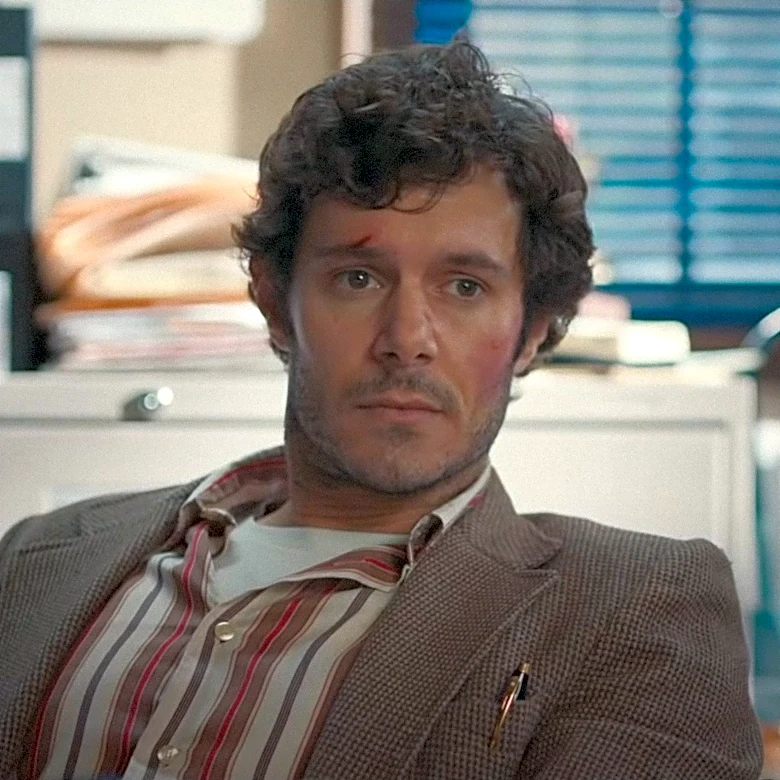
Unlike a horror film populated by strangers destined for a grim fate, a sitcom Halloween episode features characters we know and love. We're not watching a victim; we're watching Jake Peralta devise another elaborate heist in Brooklyn Nine-Nine or the gang from Friends navigate a costume party with awkward-yet-hilarious results. Our relationship with these characters provides an emotional safety net. Their panic is played for laughs, their fear is performative, and their eventual triumph is assured. This repeated exposure to familiar faces and narratives creates what psychologists call comfort media. The joy comes from seeing these figures we’ve invited into our homes week after week react to absurd, non-threateningly scary situations. Ross Geller’s infamous “Spud-nik” costume isn’t frightening; it’s a character-affirming punchline that deepens our affection.
Low-Stakes Frights and Nostalgic Fun
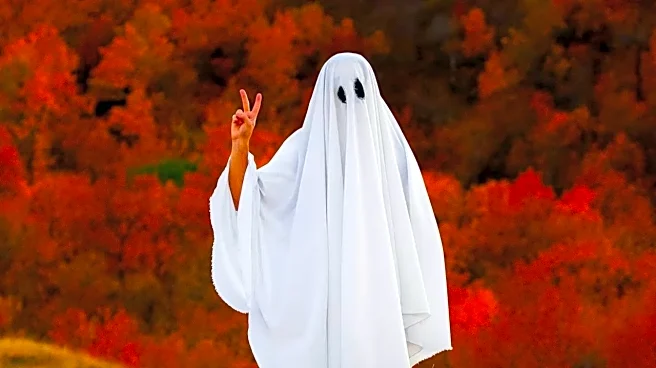
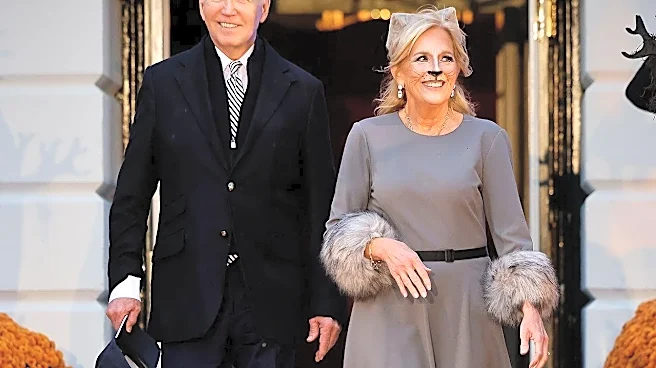
Sitcom horror is horror-lite. The threats aren't existential; they’re social and comical. In The Office, the scariness of the early Halloween episode isn't a ghost, but Michael Scott having to fire someone while dressed in a giant papier-mâché second head. The conflict is about navigating relatable, everyday problems against a backdrop of spooky decorations. These episodes lean into the most playful aspects of the holiday: goofy costumes, harmless pranks, and the festive chaos of a party. This focus on the celebratory, communal side of Halloween taps into a deep well of nostalgia. For many viewers, these specials evoke childhood memories of trick-or-treating and school costume parades. They aren't trying to genuinely scare you so much as they are trying to replicate the feeling of Halloween, filtering out the real frights and leaving only the fun.
A Shared Cultural Tradition
The annual Halloween episode has become a television tradition in its own right, as reliable as The Simpsons' "Treehouse of Horror" specials. This ritual creates a shared cultural experience that connects viewers. Knowing that every October, shows from Bob's Burgers to Frasier will offer their take on the holiday is itself a comforting constant. These episodes act as seasonal markers, grounding us in the rhythm of the year. They become part of our own holiday traditions, episodes we revisit to get into the spirit. The scares are just set dressing for the real show: spending a half-hour with a familiar TV family as they celebrate a holiday, reminding us of the humor and warmth that can be found even in the spookiest of seasons.