





Beyond the Lawn and the Long Day
Let’s get the obvious out of the way. Yes, a block heel won’t sink into a perfectly manicured lawn like a stiletto, turning a graceful entrance into a series of awkward pogo-stick impressions. And yes, a wider heel provides more stability and support,
making a long day of standing, mingling, and celebrating infinitely more pleasant. These are valid, practical points that have converted many a stiletto devotee. But if practicality were the only metric, we’d all be wearing elegant flats or wedges. The true case for the block heel isn’t just about avoiding pain or aerating the turf. It’s a deliberate, sophisticated style choice. The most compelling argument for choosing a substantial heel over a spindly one is aesthetic, rooted in the principles of proportion and modern elegance. The practical benefits are just a happy bonus.
The Secret Is in the Silhouette
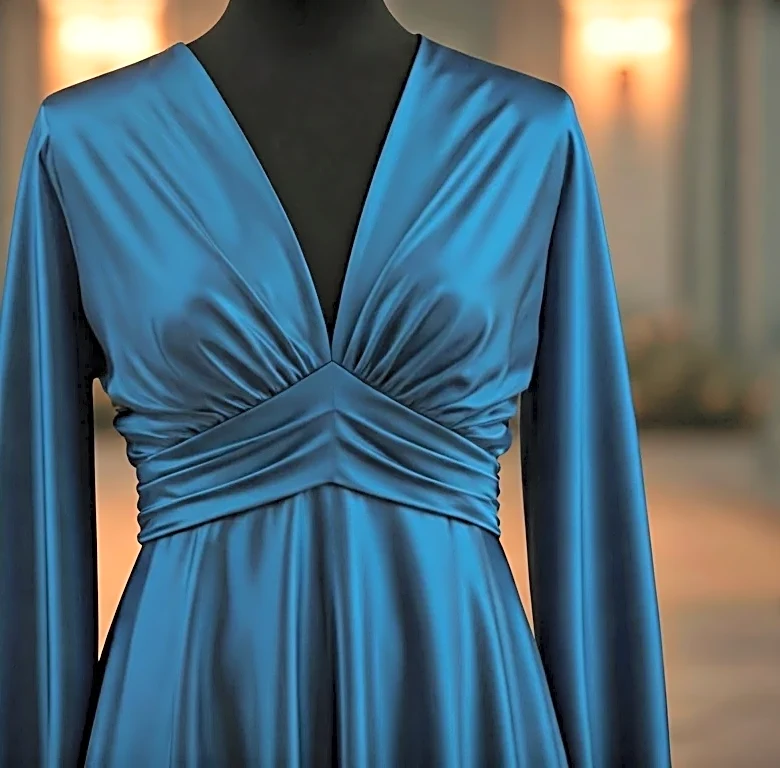
Here is the unexpected reason: a block heel grounds an outfit, creating a more balanced and contemporary silhouette. Think about the key components of Ascot-inspired dressing: structured A-line dresses, flowing midi skirts, chic jumpsuits with wide legs, and, of course, statement hats or fascinators. These are garments with volume, movement, and presence.
A delicate, needle-thin stiletto can get visually lost beneath them. It can make the entire look seem top-heavy, as if a voluminous dress is precariously balanced on two tiny points. The effect is often more fragile than fashionable.
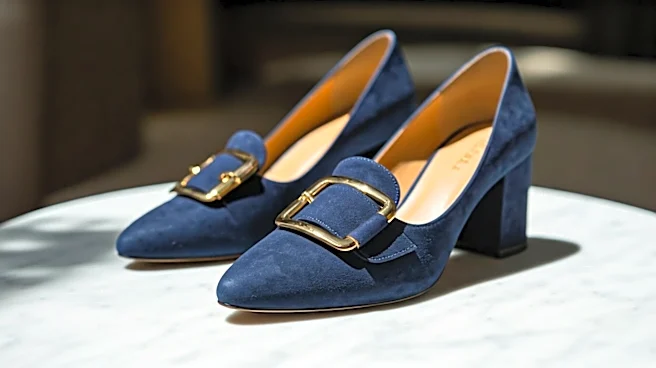
In contrast, a block heel—whether a sleek, architectural square or a curved, sculptural shape—provides a solid visual anchor. It balances the weight of a full skirt or the flair of a wide-leg pant. This creates a powerful, intentional, and cohesive line from head to toe. Your footwear becomes an integral part of the outfit's structure, not just a painful afterthought. It signals a quiet confidence and a mastery of proportion that sets you apart from the crowd.
A Modern Take on Formalwear
While the stiletto has a long history intertwined with classic femininity and high glamour, it can sometimes feel a bit dated in a daytime formal context. It speaks to a certain type of post-war cocktail elegance that, while beautiful, isn’t always the most current statement.
The block heel, especially in the last decade, has been reinterpreted by top designers as a canvas for creativity. It feels distinctly more modern. It can be minimalist and chic, or bold and playful with interesting materials like perspex, wood, or metallic finishes. This allows for more personality in your footwear choice. It suggests you’re dressing for yourself and for the current moment, respecting the dress code without being a slave to its most traditional interpretations. It’s a subtle nod that you’re in on the conversation of what fashion looks like *now*.
The Smartest Investment in Your Closet
Finally, from a purely practical wardrobe-building perspective, the block heel is the smarter long-term buy. An elaborate stiletto purchased for a specific wedding or race day often becomes a “special occasion” shoe that rarely sees the light of day. Its specificity makes it difficult to style for anything less than a red-carpet moment.
A great block heel, however, is a chameleon. The same pair that looks perfectly polished with a formal dress and fascinator can be worn the next weekend with cropped jeans and a blazer. They work for the office, for brunch, for a night out. This versatility makes them a much wiser investment, reducing the cost-per-wear and earning them a permanent, hard-working spot in your shoe rotation. In an age of conscious consumerism, choosing an item you will wear repeatedly isn’t just smart—it’s stylish.