




Forgetting the Carnival Vibe
Camp Flog Gnaw isn't just another festival; it's a carnival curated by Tyler, the Creator. The aesthetic is playful, chaotic, and colorful. A stark, minimalist set that might work at a different event can feel out of place here. Earl Sweatshirt leaned
into the theme with a picnic and BBQ-styled stage, which was a perfect fit. Don't just bring your standard touring rig. Think about how to inject a sense of fun or surrealism that honors the 'Camp' in Flog Gnaw. This doesn't mean you need a literal ferris wheel on stage, but your design should acknowledge the unique, slightly unhinged world you're stepping into.
Designing for the Livestream, Not the Crowd
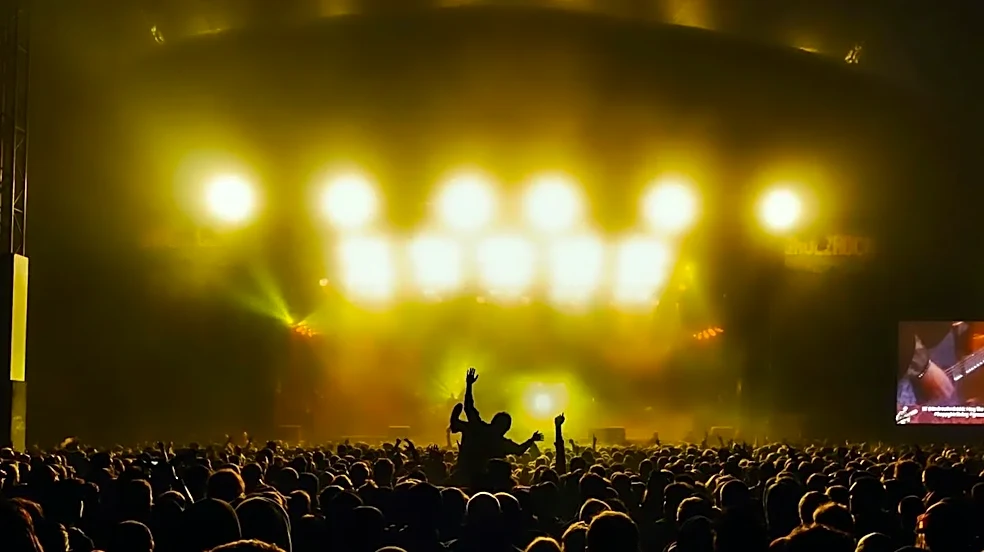
Yes, your performance will be all over social media, but your primary audience is the thousands of fans standing in the field at Dodger Stadium. A common error is creating intricate details that look amazing in a close-up shot but are completely lost on anyone beyond the first 20 feet. Props need to be big, gestures need to be grand, and visual concepts must be bold enough to read from the back of the crowd. Think about scale. If a prop isn't bigger than your torso, there's a good chance most of the audience won't even know it's there. Prioritize bold, graphic elements and lighting that make an impact from a distance.
Ignoring the Three-Stage Layout
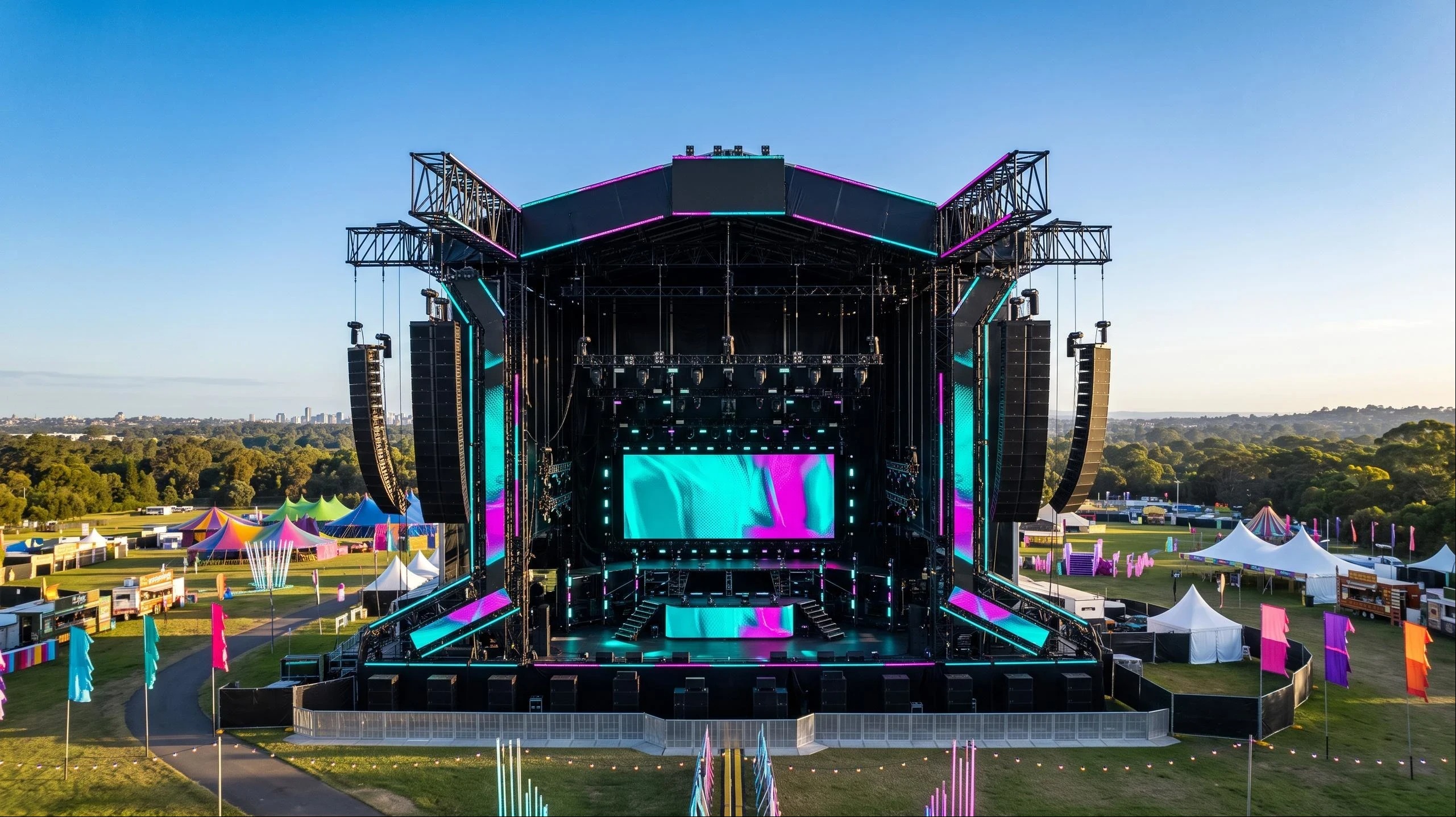
Camp Flog Gnaw typically features three stages: the main 'Camp' stage, and the smaller 'Flog' and 'Gnaw' stages. Artists must design for their specific location. A massive, complex build intended for a headlining slot will be a logistical nightmare on a smaller stage with a quicker changeover time. Conversely, a minimal setup can feel underwhelming on the main stage. Know your stage dimensions, technical capabilities, and the time allotted for setup and breakdown. Recent layout changes have improved sightlines and crowd flow, but you must still plan for the specific environment your set will inhabit.
Overcomplicating the Technicals
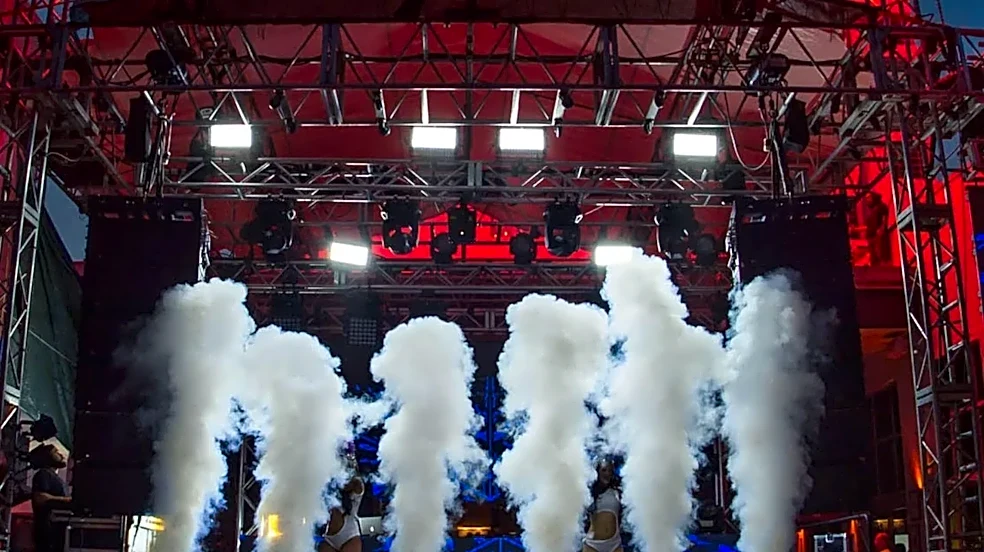
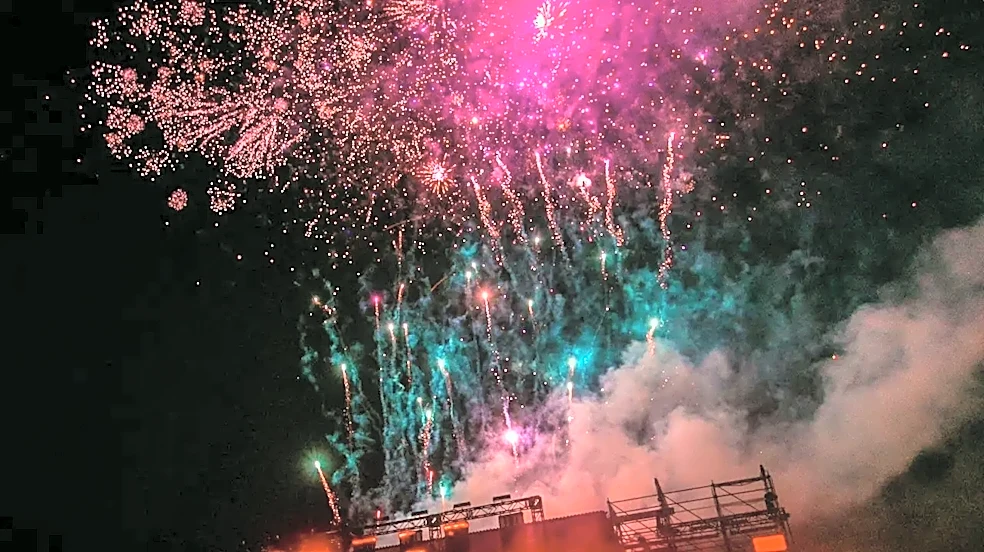
Pyrotechnics, complex video walls, and automated set pieces can create show-stopping moments—when they work. But at a fast-paced festival, more moving parts mean more opportunities for failure. A set that relies too heavily on complex tech can be derailed by a single glitch. A performer like FKA Twigs creates a magnetic, heart-wrenching show through her presence, wardrobe, and voice, proving that raw performance can be more powerful than any gadget. Focus on a strong, reliable concept first. Keep the technical elements simple and practical, ensuring they enhance the performance rather than risk distracting from it with potential malfunctions.
Playing It Too Safe
While technical simplicity is wise, creative timidity is a death sentence at Flog Gnaw. The audience, cultivated by one of music's most famously unique artists, expects performers to push boundaries. An artist like Slowthai bringing a 'dangerous and transgressive' energy connects with the crowd's desire for something memorable. This is the festival to take a calculated creative risk. A generic, by-the-numbers stage show will be forgotten by the time the next act starts. Your set design is a statement of artistic identity. Use it to be weird, to be bold, and to create a visual world that is as unique as your music.
Underestimating the Lighting
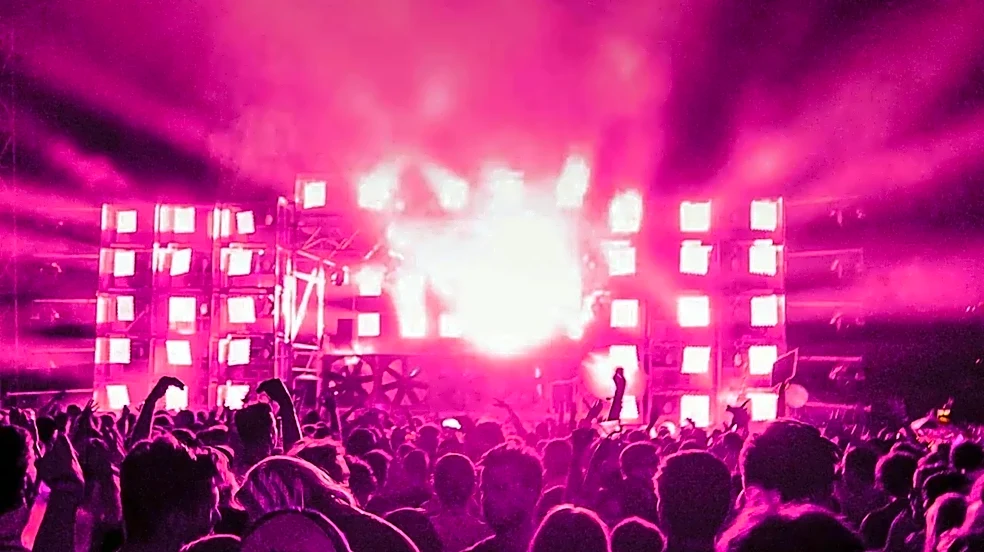
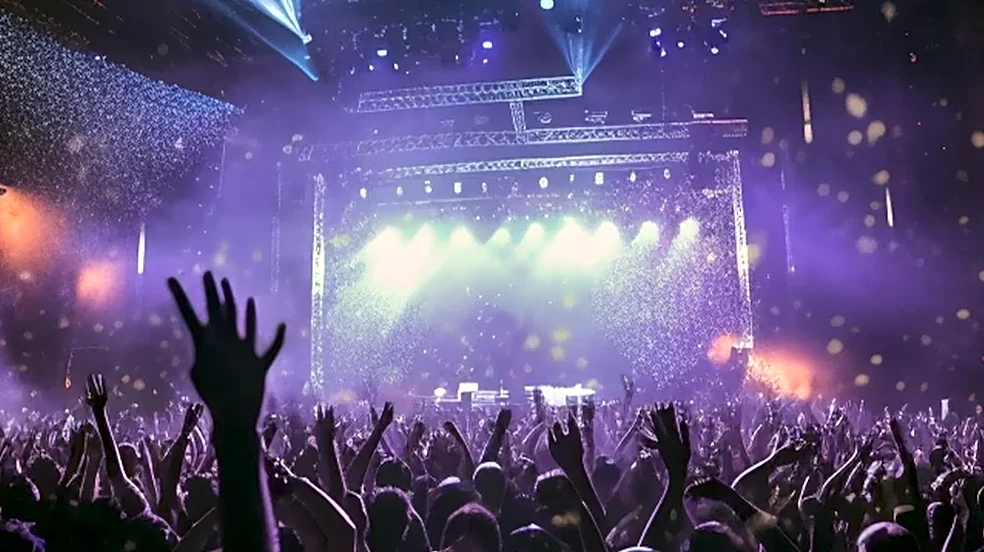
A great set can be rendered invisible by poor lighting. It's a frequent mistake to focus entirely on physical props and backdrops while treating lighting as an afterthought. Insufficient front lighting can cast you in shadow, while a flat, unchanging wash of color can make your entire set feel dull. The best performances use dynamic lighting to create mood, dimension, and atmosphere. Artists like Kali Uchis use massive, hypnotic visuals and lighting to establish themselves as undeniable headliners. Work with a lighting designer who can create a distinct visual arc for your show, ensuring you and your set are always seen in the best possible light.