






The Burden of a Lonely Throne
When Simone Biles steps onto the mat, she is utterly alone. As the undisputed greatest gymnast of all time, the pressure she faces is intensely personal and existential. For Biles, perfection isn't just about winning; it's about survival. Her battle with
the "twisties" at the Tokyo Olympics was a terrifyingly public display of a private war. This mental block, where a gymnast loses their spatial awareness in mid-air, is a direct consequence of immense psychological strain. In a sport where a miscalculation can lead to catastrophic injury, the pressure Biles endures is directly tied to her physical safety. Every routine carries the weight of her own legendary status. She isn't just competing against others; she's competing against the ghost of her own flawless past. This creates a unique, isolating pressure cooker where the only person who can truly understand the stakes is the one standing alone on the podium.
The Weight of a Million Dreams
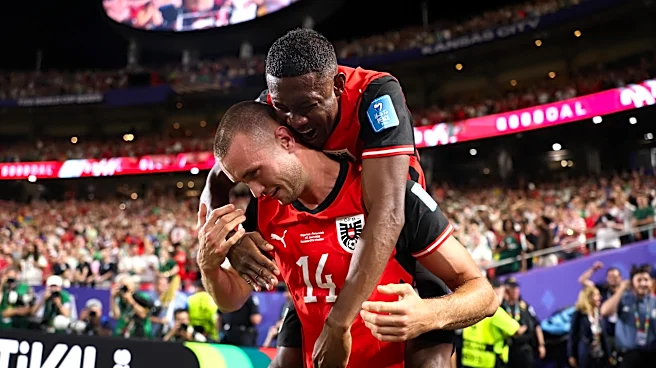
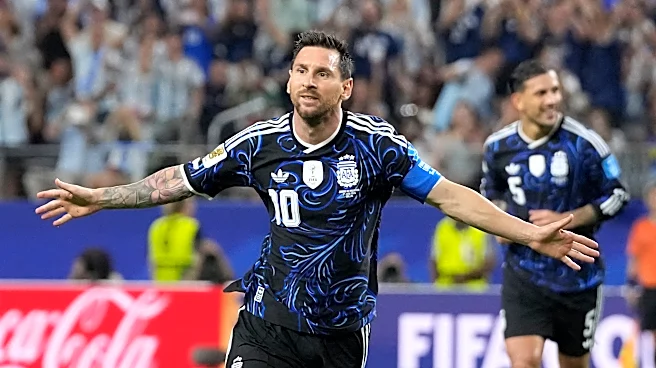
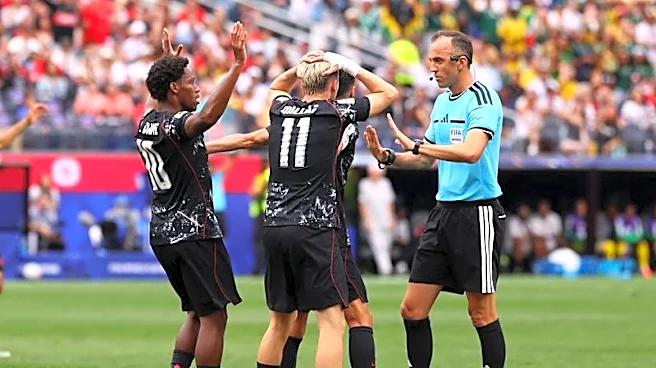
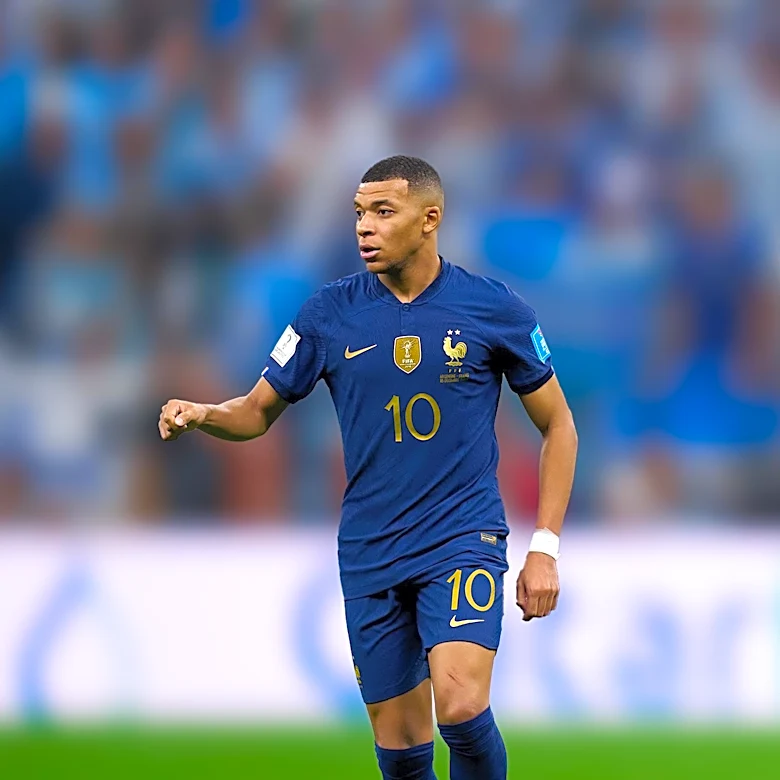
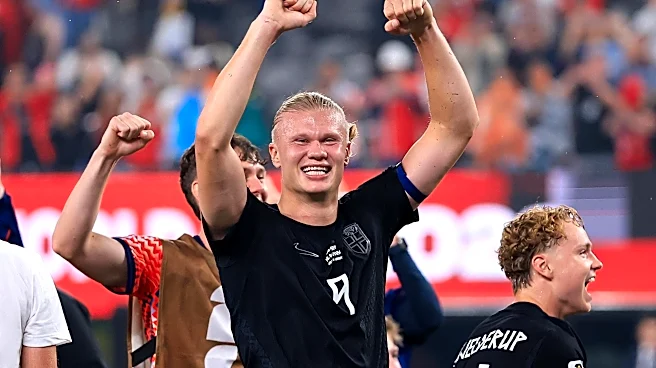
Now, consider the pressure on the superstars of the 2026 FIFA World Cup. As the tournament enters its heart-pounding knockout stage, players like France's Kylian Mbappé and England's Harry Kane are no longer just athletes; they are national symbols. Their pressure is external, a collective force channeled through a single figure. A missed penalty isn't just a personal error; it's a moment of national mourning. They carry the historical baggage of past defeats and the fervent hopes of millions. When they walk onto the pitch, they wear the dreams of their countrymen on their backs. Unlike Biles, they are part of a team, but this often concentrates the pressure rather than diffusing it. The captain, the star striker, becomes the focal point for all the anxiety, hope, and blame. Failure is a shared, public spectacle, but the responsibility is placed squarely on their shoulders.
Internal Demons vs. External Armies
The core difference lies in the source and nature of the torment. Biles's battle is largely internal. It’s a fight against the limits of her own mind and body, a pursuit of a perfection that she herself defined. A flawed routine is a personal failure, dissected and owned by her alone. Her journey has become a public conversation about mental health precisely because she made the internal struggle visible. The soccer star's pressure is external. They are generals leading an army of public expectation. Their performance is immediately tied to a national identity and a shared cultural experience. While they have teammates to share the load, they also have the entire world watching, projecting a country's worth onto 90 minutes of play. One is the pressure of the solitary artist aiming for a masterpiece; the other is the pressure of the public icon expected to deliver a miracle.
No Off-Season for Scrutiny
In the modern media landscape, this pressure follows athletes everywhere. The scrutiny is relentless and extends far beyond the competitive arena. Biles has been a vocal advocate for mental health and setting boundaries, but even her attempts to rest and recover are subject to public judgment. Recent criticism over a vacation following a serious health scare shows that for an icon of her stature, there is no true escape. The public feels a sense of ownership, demanding a performance of either superhuman strength or visible suffering. Similarly, every social media post, every public appearance by a top soccer player during the World Cup is analyzed for signs of weakness or distraction. The expectation of perfection isn't just about performance; it’s about their entire public existence.