
More Than a Movie Ticket
To understand the BFI London Film Festival (LFF), you have to see it as more than just a series of screenings. It’s an institution. Founded in 1957, its initial concept was a 'festival of festivals', bringing the best films from Cannes, Venice, and Berlin
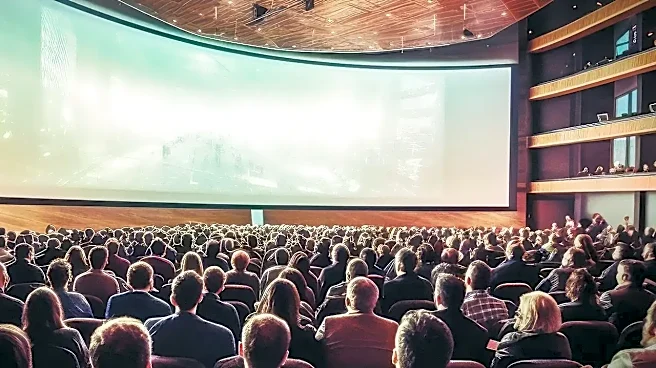
to a London audience. While it has since grown into a launchpad for major world premieres, it has never lost its public-facing soul. Unlike the industry-heavy markets of other festivals, LFF is designed for the audience. It's a chance for regular moviegoers to sit in a historic theater on the South Bank, feel the buzz of a premiere, and often see the director or cast walk on stage for a Q&A. This accessibility is the core of the ritual; it’s a communal celebration of cinema, not a velvet-roped industry mixer.
The Strategic Sweet Spot in Awards Season
Timing is everything, and LFF’s October slot gives it a unique power. It takes place after the early North American and European festivals, allowing it to surf the initial awards buzz while also creating its own. Films that were praised in Venice or Telluride arrive in London for a crucial European showcase, solidifying their status as contenders. At the same time, the festival hosts its own world premieres, giving British and international films a high-profile platform to enter the awards race. Its position benefits from the BAFTAs' growing influence as an Oscar precursor, making a successful London debut a strategic necessity for many campaigns. It’s a place where an indie darling can suddenly become a must-watch, and a blockbuster can cement its critical credentials.
This Year's Buzz: The 70th Edition
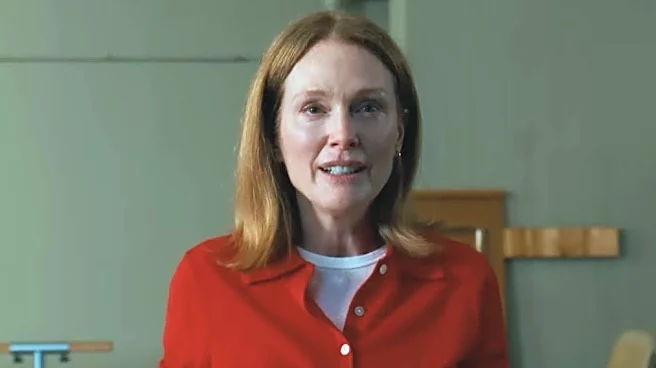
The 2026 festival, running from October 7 to 18, marks its 70th anniversary with a lineup of 251 titles. The opening night kicks off with 'Elsinore', a drama about actor Ian Charleson starring Andrew Scott and Olivia Colman, set just steps from where the premiere is held. The festival will close with Jesse Eisenberg’s 'The Debut', a comedy starring Julianne Moore and Paul Giamatti. Other major premieres creating a stir include LAIKA's long-awaited stop-motion epic 'Wildwood', Brad Bird's animated neo-noir 'Ray Gunn' with Sam Rockwell and Scarlett Johansson, and Danny Boyle's 'Ink', about Rupert Murdoch's acquisition of The Sun. A series of 'Screen Talks' with filmmakers and actors like Ava DuVernay, Andrew Scott, and Mahershala Ali further cements the festival's reputation as a hub for creative dialogue.
A Festival Woven into the City
What also sets LFF apart is its location. It's not in a secluded resort town but in the heart of London. The main hub is the South Bank, a cultural corridor along the Thames that houses the BFI Southbank cinemas and the Royal Festival Hall, where the glitzy galas take place. This integration with the city means the festival's energy spills out into the streets. You can watch a potential Oscar winner in the morning, visit the Tate Modern in the afternoon, and catch a free festival-sponsored DJ set at night. This urban texture gives the LFF a different vibe—less of an isolated industry bubble and more of a city-wide cultural takeover that feels accessible to everyone, from the die-hard cinephile with a meticulously planned schedule to a curious local who just wants to see what the fuss is about.