



The Belly of the Beast
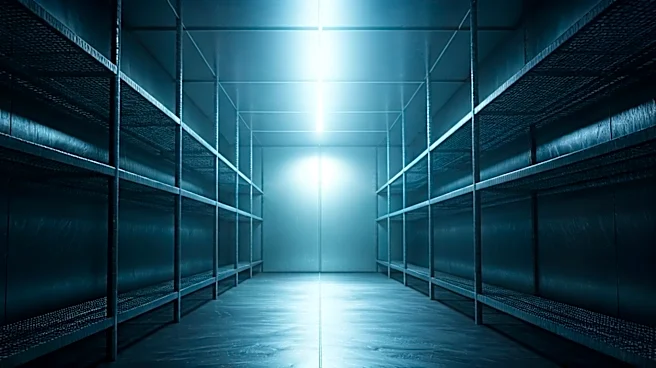
From the very first season, the walk-in freezer is established as the kitchen’s paradoxical heart. It’s a refuge from the literal and figurative heat, a place to cool down, to take a breath, and to scream into the void when the pressure becomes unbearable.
Yet, it’s also a place of confinement. The show’s signature cinematic style, full of frantic close-ups and claustrophobic framing, makes the freezer feel both like a sanctuary and a trap. The quick cuts and jarring sound design that define the kitchen’s chaos often give way to a deafening, isolated silence inside the freezer. This duality is central to its power. It’s the one place where characters can be alone with their thoughts, but for someone like Carmen “Carmy” Berzatto, being alone is the most dangerous state of all. It’s the belly of the beast—a beast made of steel, frost, and unprocessed grief.
The Hero's Underworld Descent
The freezer’s mythological status is cemented in the Season 2 finale. On the restaurant’s crucial opening night, Carmy gets trapped inside—a direct result of his own distraction and failure to have the broken handle fixed. This isn’t just a logistical nightmare; it's a classic narrative trope: the hero’s descent into the underworld. Locked in the frigid darkness, stripped of his authority and control, Carmy is forced to confront his deepest insecurities. It’s here that he spirals, lamenting that his pursuit of a normal life and a relationship with Claire has cost him his focus and his edge. He confesses his self-destructive belief that he doesn't deserve happiness, accidentally saying it all to Claire, who is listening on the other side of the door. This moment is his nadir, a painful self-excavation in a cold, unforgiving space that physically represents his own internal prison.
A Labyrinth of Memory and Trauma
The freezer is not just a physical space; it’s a psychological one. It’s a direct link to Carmy’s trauma, particularly the ghost of his brother, Michael. In Season 1, it’s in the freezer that Carmy has visions and panic attacks, haunted by the past. The space becomes a labyrinth of memory. This is powerfully literalized when Carmy discovers the money Michael hid in the tomato cans, which had been stored in the walk-in. The treasure that allows for the restaurant's rebirth was hidden inside a symbol of the family's dysfunction. It’s a place of secrets, burdens, and unexpected legacies. Carmy’s time trapped inside is not just a punishment for forgetting to call the repairman; it is a reckoning with the inherited chaos from his brother and his mother, whose self-sabotaging nature Richie cruelly throws in his face during their argument through the door.
The Forge of Transformation
While it functions as a place of torment, the freezer is ultimately a site of transformation. Joseph Campbell, the scholar of mythology, would recognize this pattern. The hero enters the abyss, confronts the dragon (in this case, his own demons), and emerges changed. Carmy’s breakdown in the freezer is a necessary catharsis. In his absence, his team, led by Sydney and Richie, proves they can succeed without him, a testament to the very system he built. His time in isolation forces a moment of painful self-reflection that he had been actively avoiding. He is literally “frozen” in his development while his team moves forward. The freezer exposes his deepest wounds so that they might, eventually, be treated. It is both a cage and a chrysalis. Like a hero emerging from a trial, Carmy is freed at the end, but he is not the same man who went in. He has been broken down, but the foundation for a new beginning has been laid.