





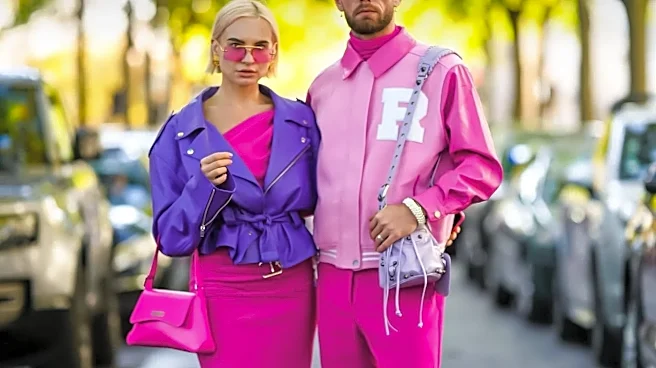
The Real Rules of Scandi Style
Before any specific item, Scandinavian style is a philosophy built on a few core principles: minimalism, functionality, and longevity. It’s a “buy less, choose well, make it last” approach that prioritizes high-quality, versatile pieces over fleeting
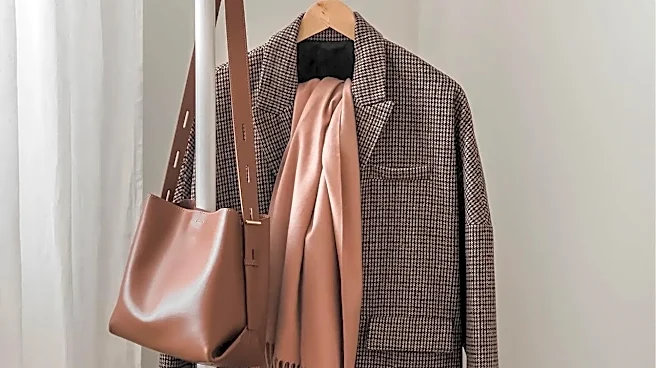
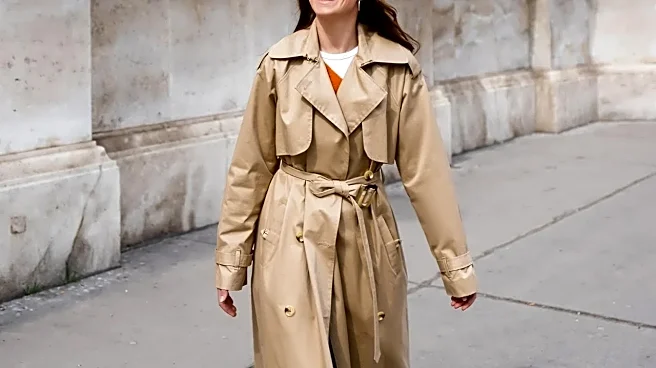
trends. Think clean lines, neutral color palettes (black, grey, beige, white), and comfortable, often slightly oversized silhouettes. This aesthetic was born out of a practical need to navigate harsh, unpredictable weather with layers that are both stylish and sensible. The result is a wardrobe that feels effortless and personal, where every piece, from a perfectly tailored wool coat to a simple white t-shirt, serves a purpose and can be mixed and matched with ease.
How Sneakers Became the Main Character
So, how did expensive, chunky “dad” sneakers become the poster child for a style defined by understated elegance? The answer lies in practicality and a modern twist. For a culture where walking and biking are common, comfortable footwear is non-negotiable. Sneakers fit the bill perfectly. Over time, as street style and social media began to dictate trends, a high-end sneaker became a shorthand symbol for being in the know. Brands like New Balance, Acne Studios, and Salomon became associated with the look, offering what one marketing manager called a “toned-down statement shoe.” It’s an easy, photogenic way to add a contemporary edge to a classic outfit, like a tailored suit or a flowy dress. But it's an accessory, not the main event.
The Other Shoes in the Closet
To reduce Scandi style to a single type of shoe is to miss the point entirely. The true Scandinavian wardrobe contains a tightly edited arsenal of practical footwear. A classic black ankle boot with a low, walkable heel is arguably more essential than any sneaker, perfect for pairing with everything from denim to dresses. Minimalist loafers, sleek leather boots, and even simple canvas sneakers from brands like Converse are all staples that fit the ethos. In the summer, you're just as likely to see chic locals in elevated flip-flops or comfortable slides. The common thread isn't a brand or a price tag; it's a balance of timeless design, comfort, and functionality.
Focus on Form, Not Footwear
Instead of fixating on sneakers, achieving the Scandi look is about mastering the art of silhouette and texture. The real magic happens in the interplay between different shapes and materials. It’s about pairing an oversized, chunky knit sweater with tailored trousers, or throwing a long, elegant wool coat over a simple jeans-and-t-shirt combination. It's about understanding how to layer—a blazer over a shirt, a dress over pants—to create an outfit that has depth and interest. The fabrics are just as important, with a heavy emphasis on natural, high-quality materials like wool, cotton, and linen that not only feel good but also last. When the core components of your outfit are strong, the shoes become a supporting actor, and almost any simple, well-made pair will complete the look beautifully.