






The Anatomy of a Swarming Press
A full-court press in basketball or a high press in soccer isn't just about playing aggressive defense; it's psychological warfare. The goal is to create chaos, speed the game up to an uncomfortable tempo, and force the offensive team into making rushed,
panicked decisions. By extending defensive pressure across the entire court or high up the field, a team aims to disrupt the opponent's rhythm before they can even set up their offense. The defense wants to use the sidelines and half-court line as extra defenders, creating 'trap zones' where they can double-team a player and force a turnover. It's a high-risk, high-reward strategy. When it works, it generates easy steals and demoralizes the opponent. When it fails, however, it fails spectacularly.
The Pass to Nowhere
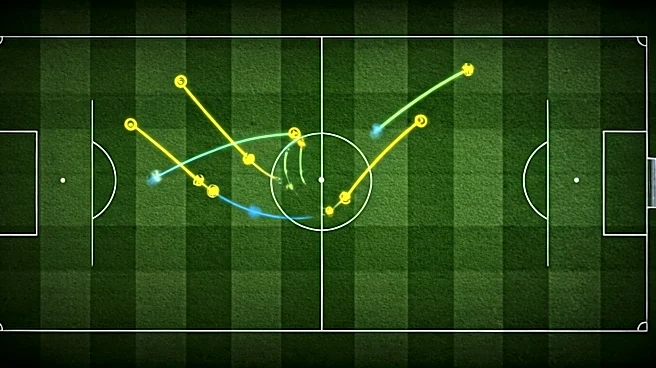
The press is designed to bait a specific kind of mistake: the bad pass. This isn't just any errant throw. It's often a long, looping, cross-court pass made out of desperation. A player gets trapped, sees a teammate on the other side of the floor who appears open, and heaves the ball in that direction. This is exactly what the defense is waiting for. That slow, floating pass gives a lurking defender—often called the 'safety'—plenty of time to read the play, jump the passing lane, and come away with an easy interception. Another common mistake is dribbling too much. A single player trying to weave through multiple defenders is a recipe for disaster; it allows the defense to collapse and trap, forcing the exact kind of panicked decision they want.
The Press-Breaker: Attacking the Middle
So, how do you dismantle this web of pressure? The answer is almost always the same: you attack the middle. The center of the court is the soft spot in nearly every zone press. A press works by stretching defenders wide to cover the sidelines. This naturally leaves gaps in the middle of the formation. A quick, sharp pass to a player flashing into the middle of the court is the key that unlocks everything. That player doesn't even need to be a great dribbler; they just need to be a good decision-maker who can catch the ball, turn, and see the field of play. This simple action forces the defense to collapse inward, abandoning their structure and opening up even more space on the wings or downfield. Passing is faster than dribbling, and a series of short, quick passes—especially reversing the ball from one side to the other—will pull the press apart.
From Chaos to Catastrophe
Once the ball gets to the middle and breaks that first line of defense, the entire dynamic of the game flips. The offensive team, just moments ago on the verge of a turnover, now has a massive numbers advantage going the other way. Think about it: three or four defenders are stranded in the backcourt, completely out of the play. What was a 5-on-5 situation is now a 2-on-1 or 3-on-2 fast break. This is the ultimate punishment for a failed press. It doesn't just lead to a potential score; it leads to the easiest, highest-percentage shot in the game—a layup or an open look at the goal. Breaking the press doesn't just mean surviving; it means turning the opponent's aggression against them and creating a golden scoring opportunity.