

More Than Just a Retro Revival
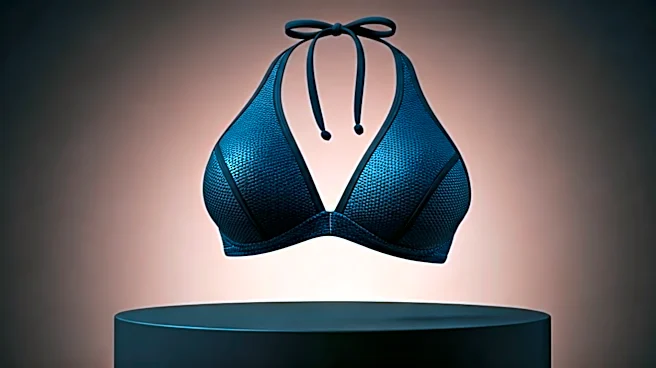
For decades, the halter silhouette has been a swimwear staple, beloved for its shoulder-baring, décolletage-enhancing shape. It’s a design that’s fundamentally flattering, creating a powerful V-shape that draws the eye upward. We’ve seen it cycle through
trends, from the bohemian crochet styles of the 1970s to the minimalist string versions of the early 2000s. Each time it returns, it brings a bit of its history with it. However, the latest comeback feels less like a simple vintage throwback and more like a complete re-engineering of a classic. The problem with old-school halters was always the same: a painful tug on the neck, questionable support for anyone with a larger bust, and fabric that stretched out after a few wears. Today’s designers aren’t just copying the look; they’re solving its inherent problems.
The 'Technical' Difference
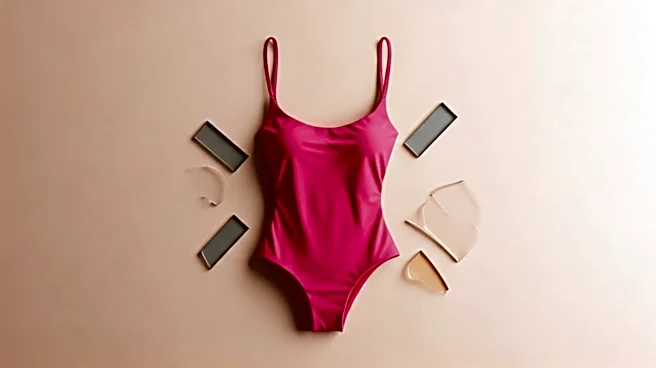
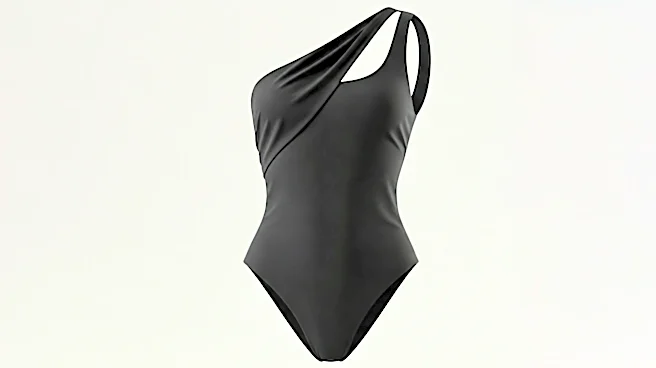
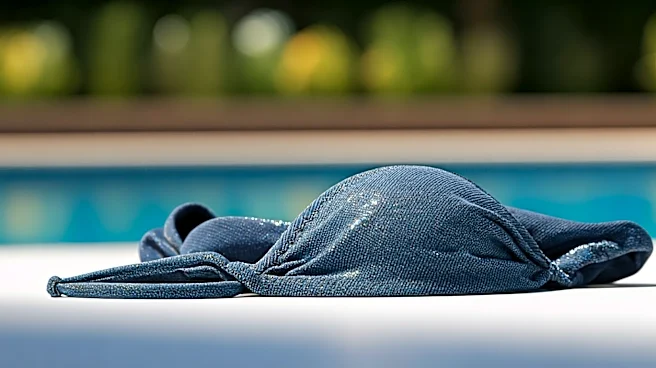
So what, exactly, makes a modern halter “technical”? The answer lies in fabrication and construction. Forget the flimsy Lycra of the past. Designers are now using advanced materials that offer support and longevity. Think high-performance, double-lined fabrics with built-in shape retention, meaning your suit won’t sag after one dip in the pool. Many are crafted from compressive textiles, similar to those used in activewear, which sculpt and hold the body without feeling restrictive. Recycled nylons like Econyl offer a sustainable angle while providing a smooth, durable finish. The real magic, however, is often hidden. Designers are embedding sophisticated support systems directly into the garment. We’re seeing integrated under-bust bands, discreet side boning for structure, and even molded cups or removable padding that are seamlessly incorporated. The straps themselves are being rethought, with some designs using wider, softer materials that distribute weight more evenly, finally freeing us from that dreaded end-of-day neck pain.
Designer-Led Engineering
This movement is being led from the top down. Luxury and contemporary swimwear brands are treating the halter not as a simple triangle of fabric but as an architectural challenge. Brands like Eres, long celebrated for their exquisite construction, are applying their lingerie expertise to create halters with unparalleled internal support. Others, like Hunza G, use their signature crinkle-stretch fabric to create a one-size-fits-most halter that adapts to the wearer’s body, offering surprising support through texture and tension. You can also see the innovation in the details: metal hardware is being replaced with custom-molded clasps that don’t heat up in the sun, and tie-back systems are being engineered for adjustability that offers lift, not just closure. These aren't just swimsuits; they're thoughtfully designed garments intended to perform. This focus on engineering allows the halter silhouette to serve a much wider range of body types, moving it from a niche style to a genuinely inclusive option.
From the Pool to the Patio
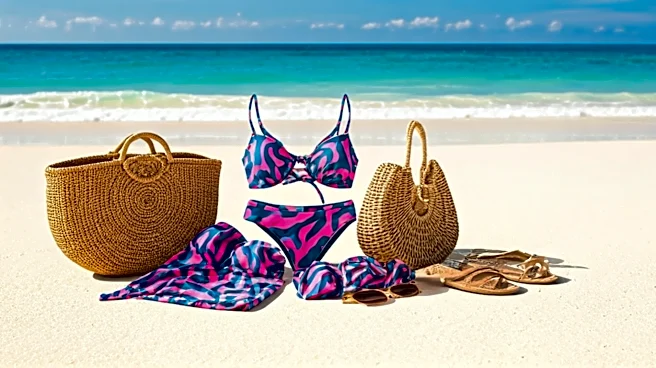
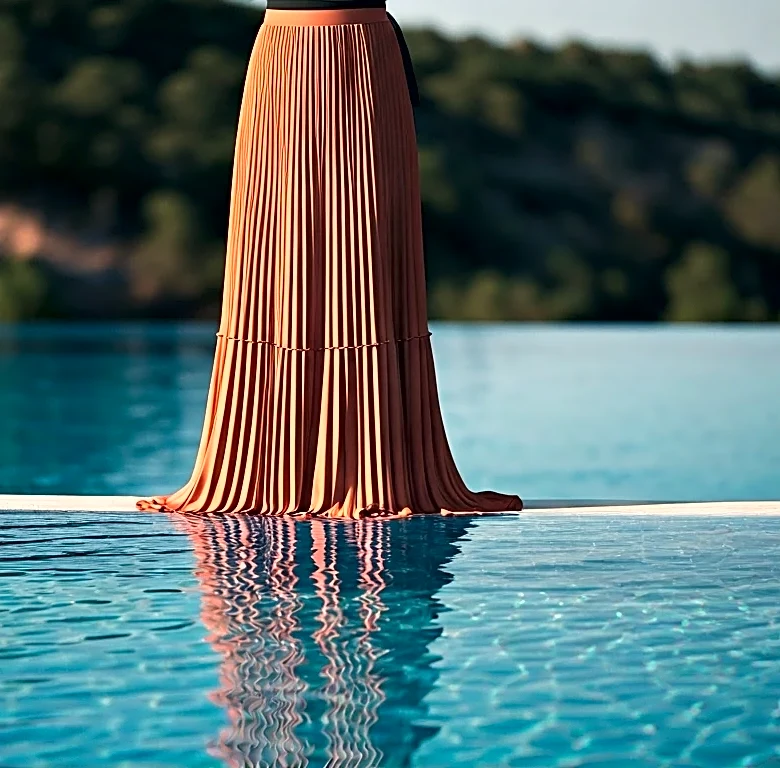
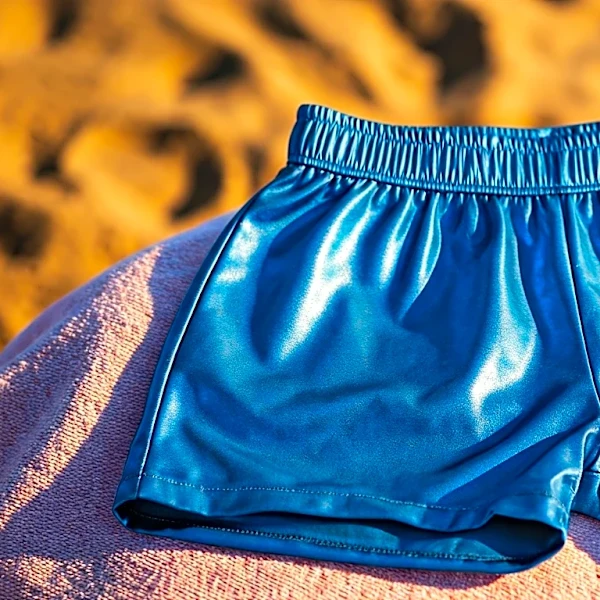
The technical comeback has also expanded the halter’s role in our wardrobe. Because the new designs are more structured and supportive, they function beautifully as tops in their own right. A well-made technical halter swim top no longer looks out of place when worn away from the water. Paired with high-waisted linen trousers, a flowing skirt, or a pair of denim shorts, it becomes a versatile piece of resort wear. This blurring of lines between swimwear and ready-to-wear is a major trend in itself. Consumers are looking for value and versatility in their purchases, and a beautifully constructed halter top that can be worn for a swim and then to dinner is the ultimate two-for-one. It’s a testament to the design that you feel just as confident and put-together wearing it with a skirt as you do by the pool.