




The Great North American Pilgrimage
Forget setting up camp in one city. The 2026 fan experience is defined by movement. With matches in places as distant as Vancouver, Mexico City, and Miami, fans are embarking on unprecedented multi-country journeys. This has turned the tournament into
a massive logistical puzzle involving different border rules, currencies, and time zones. The result is a World Cup that feels less like a festival and more like a pilgrimage, with supporters piecing together itineraries of flights and long-haul road trips. This continental roadshow is testing the wallets and dedication of fans, with travel and local transport costs becoming a major storyline. But for those who make it, the reward is a truly unique, cross-cultural sporting adventure.
The Diaspora-Fueled 'Home' Games
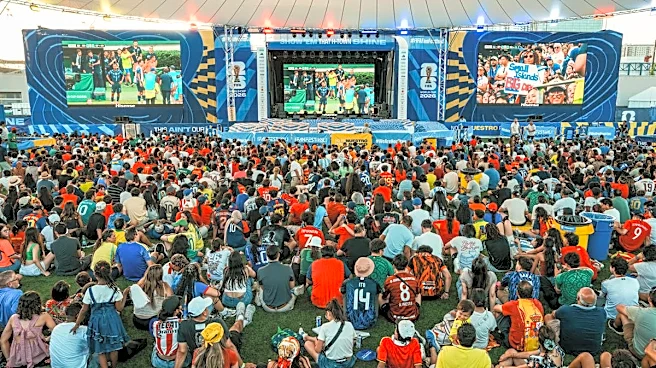
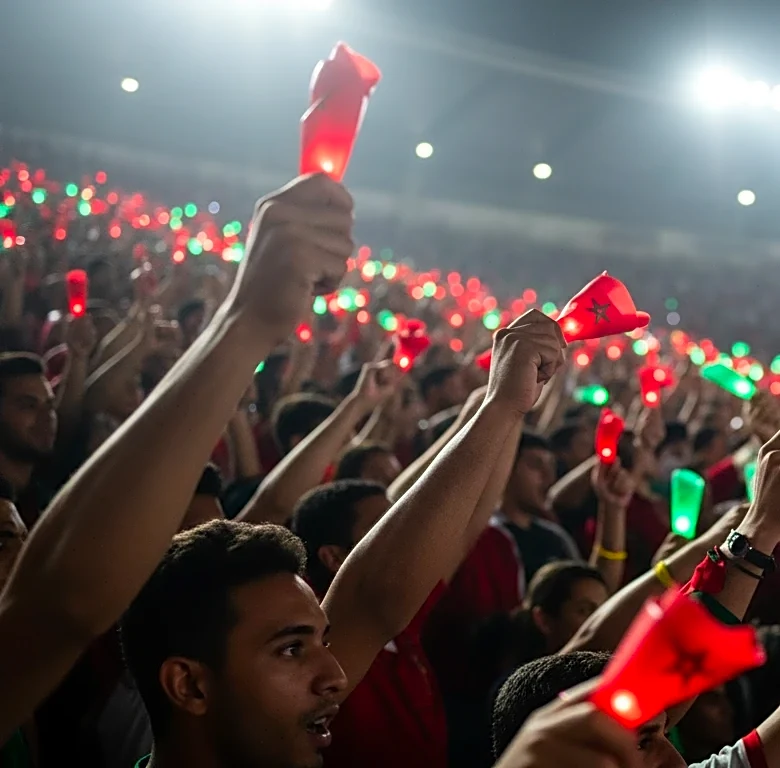
One of the most vibrant stories of this World Cup is how many 'away' games are feeling like home matches. Large diaspora communities across U.S. and Canadian cities have transformed local bars and public parks into passionate hubs of support for their heritage nations. For many fans with roots outside North America, these watch parties offer a more potent sense of community than a stadium seat. In Los Angeles, for example, a watch party for the Mexico vs. South Korea match took over an entire park hours before kickoff, filled with food vendors and banda music. These gatherings, from Levantine bistros in New York to local pubs nationwide, ensure that teams from across the globe have a loud, passionate, and visible base of support, no matter which North American city they play in.
The TikTok-ification of Fandom
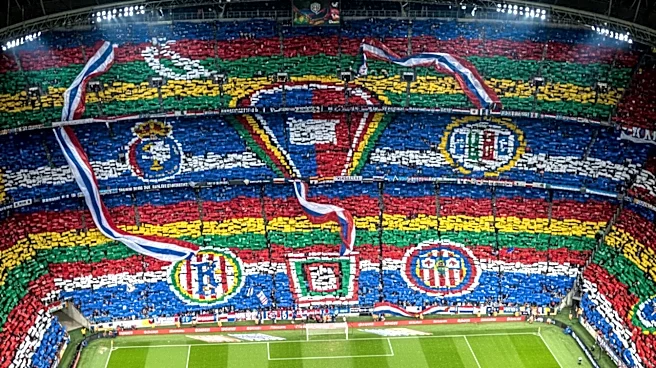
If past World Cups were defined by television, 2026 is being defined by the phone. Fans are experiencing the tournament through a constant stream of clips, memes, and real-time reactions on platforms like TikTok and Instagram. More than just second-screening, fans are turning to social media as their primary source for tournament content, shaping the narrative from the ground up. This has led to the rise of overnight influencers, from previously unknown players like Cape Verde's goalkeeper Vozinha to fans who capture a viral moment in the stands. Rituals like Norway's 'Viking Row' or the sea of orange brought by Dutch fans become global sensations in hours, creating a new, decentralized and highly participatory fan culture.
America's Supporter Groups Come of Age
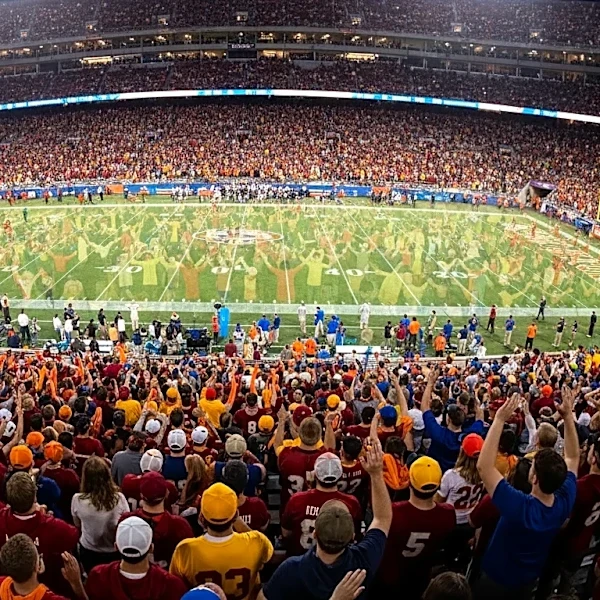
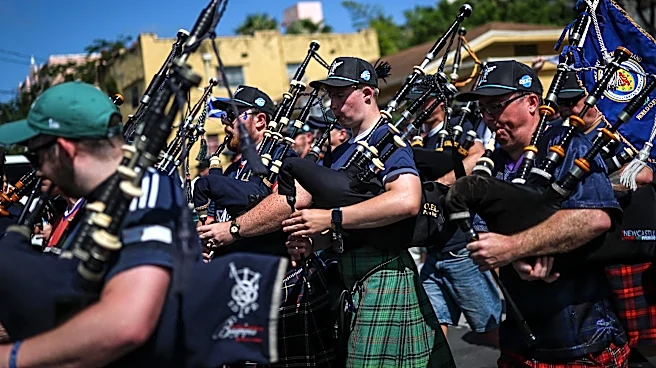
After decades of growth fueled by Major League Soccer, American soccer's organized supporter groups arrived at this World Cup ready for their moment, but it has been complicated. Groups like the American Outlaws, with over 30,000 members, brought a new level of coordination and passion. However, they have faced challenges, including frustrations with ticketing that dispersed their members throughout stadiums instead of in traditional, high-visibility sections behind the goal. There have also been clashes with stadium security and FIFA over the size of flags and the use of drums, leaving some supporters feeling that they are being pushed to the margins at their own home tournament.
The Summer of Extreme Conditions
Beyond the pitch, a dominant storyline has been the physical toll of a North American summer. A recent analysis found that nearly one in five matches have been played in heat and humidity levels high enough to warrant official delays. This has put a major focus on player and fan safety. Images of players taking hydration breaks and fans crowding around misting stations have become common. The extreme weather has tested the preparedness of organizers and served as a real-time stress test for hosting major sporting events in a warming climate, forcing a conversation about safety that will likely influence future tournaments.