





Pixar Has Earned the Benefit of the Doubt
Let’s be honest: we’ve been here before. When *Toy Story 3* was announced, the collective sigh was audible. How could Pixar possibly top two perfect films? The answer was a masterpiece of emotional storytelling that left grown adults weeping in theaters.
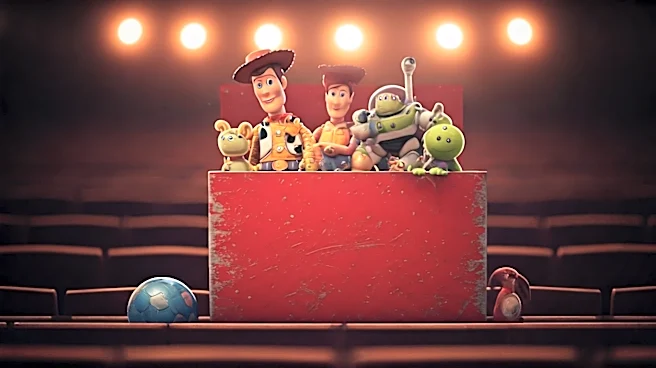
Then came *Toy Story 4*, another installment many felt was unnecessary. It delivered a thoughtful, surprisingly complex epilogue on purpose and identity, earning both critical acclaim and a billion dollars. Pixar’s track record with its crown jewel isn’t just about making sequels; it’s about waiting until a worthy story emerges. While the studio has had some misfires, the *Toy Story* team, with veterans like Pete Docter now leading Pixar, understands the weight of this legacy. The return of franchise stalwarts Tom Hanks and Tim Allen isn't just a contractual obligation; it’s a sign that the creative core believes there's still a vital story to tell about Woody and Buzz.
It’s a True Generational Bridge
Consider this: if you were a kid when the first *Toy Story* hit theaters in 1995, you might now have kids of your own. This franchise is one of the very few cultural properties that an entire family can be invested in for different, equally valid reasons. For parents, it’s a direct line to their own childhoods, a nostalgic touchstone that has miraculously aged with them. For their children, it’s a vibrant, funny adventure with characters who feel just as fresh today as they did three decades ago. In a media landscape fractured into a million niche streaming channels and TikTok trends, a *Toy Story* movie is a unifying event. It’s a common language spoken by grandparents, parents, and kids alike. Putting *Toy Story 5* on the calendar isn’t just booking a movie ticket; it’s scheduling a rare moment of shared cultural experience that everyone in the car can genuinely look forward to.
The Big Screen Is Where This Belongs
The “big-screen” part of the headline is crucial. You can watch the old films on Disney+, but you can’t replicate the communal experience of a theater. Pixar films are designed for it. The visual artistry, from the subtle textures on a well-loved toy to the sweeping scale of an adventure, is crafted for a giant canvas. But more importantly, the emotional journey is meant to be shared. There’s a unique power in a room full of strangers laughing at the same joke, gasping at the same cliffhanger, and quietly sniffling at the same poignant moment. It transforms a passive viewing into an active, collective event. It’s the feeling of community that made the furnace scene in *Toy Story 3* so gut-wrenching and Woody’s final goodbye in *Toy Story 4* so resonant. These moments land differently when you experience them together.
A Story That Continues to Grow Up
What makes the *Toy Story* saga so enduring is that its themes have matured alongside its audience. The first film was about jealousy and finding your place. The second explored obsolescence and the fear of being forgotten. The third was a beautiful, heartbreaking metaphor for leaving home and the end of childhood. The fourth delved into post-career identity and finding a new purpose after your primary one is gone. With Woody having left the group to find his own way with Bo Peep, and Buzz leading the old gang, the stage is set for new, mature questions. What does leadership look like for Buzz? What does true independence mean for Woody? The franchise has never shied away from the bittersweet complexities of life, and there’s no reason to believe a fifth chapter would suddenly start treating its audience like simpletons. It’s a continuing story, not a reboot, and its emotional intelligence is what keeps us coming back.