





The Quiet Power of the Close-Up
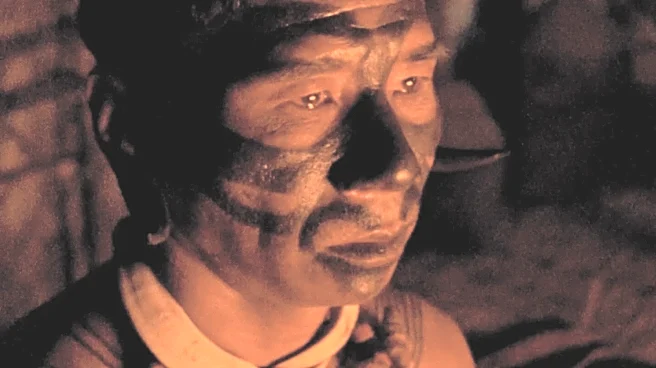
So much of Ava DuVernay's filmmaking is found in the space between words. Her camera often lingers on her characters’ faces, using intimate close-ups to convey deep emotion and interior life. In films like Selma and the series When They See Us, this technique
is not just for dramatic effect; it’s an act of humanization. Where historical narratives often focus on the spectacle of events, DuVernay brings the camera in close to remind us of the personal cost. A furrowed brow, a tearful glance, or a moment of quiet resolve becomes as powerful as a grand speech. In Queen Sugar, the way the camera tracks a character’s arms or hair is described as a caress, an intentional act of filming the Black body with love and appreciation. This focus on authenticity and relatable emotion allows the audience to connect on a profoundly personal level, making vast historical and social issues feel immediate and deeply human.
History Framed with Dignity
Ava DuVernay's work is an exercise in narrative correction. Her films frequently seek to invert the historical dehumanization of Black people in media by wielding the power of the image to foster empathy. This is evident in her documentary 13th, which dissects the legacy of the 13th Amendment and its connection to mass incarceration. Even while showing harrowing archival footage of violence, her directorial hand provides a framework of scholarly context and righteous anger, refusing to let the images become exploitative. The interviews in 13th are meticulously lit and composed, often using soft, warm lighting to bring life and vibrancy to the skin tones of her subjects, a deliberate choice to ensure her speakers are presented with as much care as the arguments they are making. This commitment extends to her narrative work, where she centers the stories of underrepresented communities to highlight their voices and experiences with a sense of purpose and dignity.
Pacing, Sound, and Emotional Weight
DuVernay is a master of emotional pacing, allowing scenes to breathe when a moment needs weight and tightening the rhythm when tension needs to rise. In Selma, the march across the Edmund Pettus Bridge is a prime example. The sequence builds slowly, contrasting the determined movement of the protestors with the hostile stillness of the troopers, creating an unbearable tension. She then uses the chaos of the attack to shock the audience, cutting to scenes of Martin Luther King Jr. watching the events on television, which underscores the horror and its national significance. Music is also a crucial tool in her arsenal, used to set the tone and forge an emotional connection. In 13th, she overlays politically charged songs from Black artists onto key transitional moments, using the lyrics to reiterate the film's core themes about systemic injustice. This combination of deliberate pacing and purposeful sound design forces the viewer to sit with the material, to feel its grief, suspense, or empathy, rather than rushing past it.
A Legacy of Influence
The true measure of a visual language is its ability to be spoken by others. DuVernay’s influence is not just stylistic but structural. Through her company, ARRAY, she has built an ecosystem dedicated to narrative change, supporting and distributing the work of women and filmmakers of color. She has become an industry standard-bearer, even inspiring the “DuVernay Test,” a metric for assessing the meaningful representation of people of color in media. As a director, she became the first Black woman to helm a film with a budget over $100 million with A Wrinkle in Time and the first to be nominated for a Best Director Golden Globe for Selma. Her work, from her social-justice storytelling to her character-focused direction, provides a clear blueprint for how to blend art and activism. By forging new pathways, she has ensured that her visual language—one of empathy, dignity, and historical truth—will not only be imitated but will serve as a foundation for future generations of storytellers.