
Welcome to the American Furnace
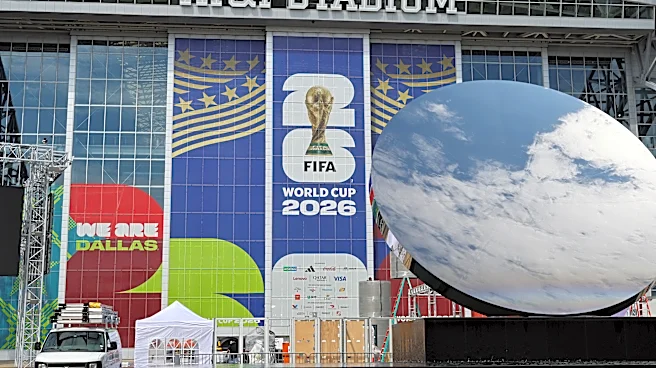
First, let’s be clear about the conditions. The 2026 FIFA World Cup knockout stages will snake through a corridor of American summer heat. Forget the temperate climates of London or Munich; think Dallas,
Atlanta, Miami, and Houston in late June and July. These aren't just warm days—they're oppressive, with temperatures soaring into the high 90s and humidity that can make the air feel like a wet blanket. While stadiums like AT&T in Arlington have retractable roofs, many games will be played in conditions that sap energy, cramp muscles, and drain the will of even the most elite athletes. For teams hailing from Northern Europe or milder climates, arriving in the thick of a Texas heatwave is a physiological shock. It’s a variable that can’t be fully simulated in training, and it fundamentally changes the way the game is played.
A Roster Built for the Heat
This is where the USMNT’s unique advantage begins to take shape. Unlike their European counterparts, a significant portion of the American player pool is intimately familiar with these conditions. Players in Major League Soccer regularly compete through the summer months, crisscrossing the country to play in the muggy humidity of Orlando, the dry heat of Salt Lake City, and the punishing Texas sun. They are accustomed to the brutal travel schedule and the physiological demands of performing in extreme weather. While stars like Christian Pulisic and Weston McKennie spend their club seasons in Europe, the team’s domestic-based players provide a core of hardened veterans who won’t be fazed. Furthermore, even the Euro-based players will have extensive experience with summer training camps held stateside. For the USMNT, playing in 95-degree heat isn't a surprise; it's just another day at the office.
Slowing Down the European Machine
The tactical implications are enormous. Modern European soccer is often defined by the high press—a relentless, suffocating style of play that requires incredible stamina. Teams like Germany, Spain, and England build their strategies around pressing opponents high up the pitch for 90 minutes. But that strategy is incredibly difficult to execute in high heat and humidity. Energy reserves deplete faster, recovery times between sprints lengthen, and the risk of cramping and exhaustion skyrockets. The heat acts as a natural governor on the game’s tempo, forcing even the most athletic teams to be more pragmatic and selective with their energy. This can level the playing field, neutralizing the high-octane systems that European powerhouses have perfected. A slower, more deliberate game could play directly into the hands of a well-organized and disciplined American side focused on tactical shape and quick counter-attacks.
The Ghost of USA '94
We’ve seen this movie before. The 1994 World Cup, also held in the U.S. during the summer, became a war of attrition. Iconic moments, like Ireland’s shocking 1-0 victory over a powerful Italian team at a sweltering Giants Stadium, were defined as much by the conditions as the tactics. Teams that could manage the heat—and their hydration—survived. The USMNT advanced out of their group that year, proving they could hang with the world’s best in their own backyard furnace. For 2026, the cumulative effect of heat, humidity, and cross-continental travel to follow the tournament bracket will be a gauntlet for visiting teams. While a squad from, say, England might fly from a group stage game in Philadelphia to a knockout match in Kansas City, they are moving between two very different, and very challenging, summer climates. For the USMNT, this is just the rhythm of a normal season.