






The Stillness Before the Storm
In a sport defined by constant movement, the set piece is a dramatic pause. These moments—corner kicks, free kicks, and penalties—are restarts awarded after a stoppage in play, like a foul or the ball going out of bounds. Unlike the chaotic rhythm of open
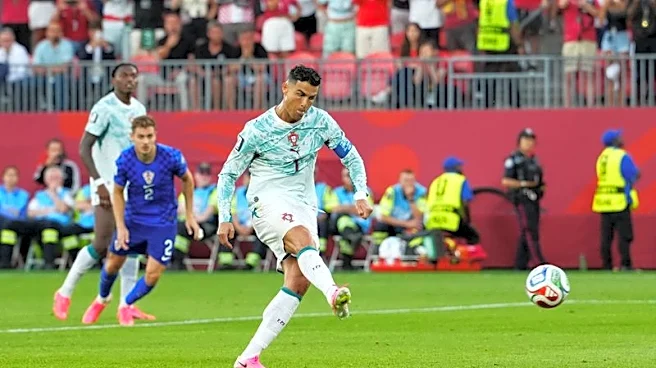
play where goals can feel sudden and almost accidental, a set piece is a scripted opportunity. It’s a dead-ball situation, meaning the field freezes, players take assigned positions, and a single, rehearsed action is about to unfold. This break in the action transforms the game from a flowing conversation into a single, high-stakes declaration. The ball isn't moving, the clock is still ticking, and for a brief window, everyone on the field and in the stands knows exactly where the danger is about to come from. This shared focus is the foundation of the incredible tension that follows.
A Game of Tactical Chess
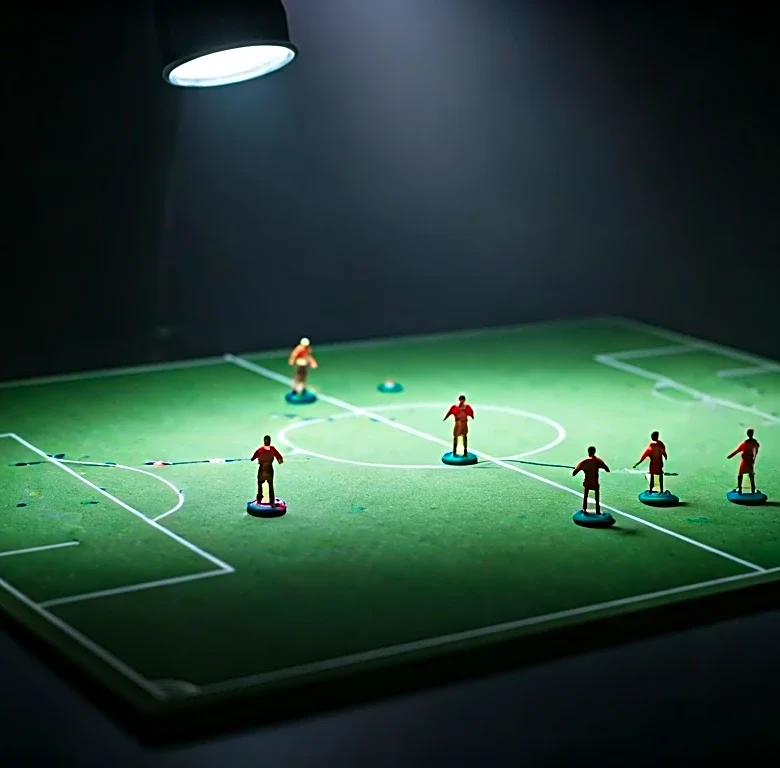
In modern soccer, set pieces are far from a hopeful punt into the box; they are a critical and highly strategic element of the game. Statistics show that a significant portion of goals in major tournaments, sometimes between 30% and 40%, come from these situations. In evenly matched contests where defenses are otherwise hard to break down, a well-executed set piece can be the deciding factor. This has led to an arms race on the training ground. Most elite clubs and national teams now employ specialized set-piece coaches who spend hours choreographing attacking routines and defensive schemes. They analyze opponents' weaknesses, design specific player movements to create space, and determine the perfect delivery for the ball. For an underdog team with less open-play firepower, a mastery of set pieces can be the ultimate equalizer, providing a structured path to goal against a superior opponent.
The Psychology of the Pause
The roar that follows a set-piece goal isn't just about the ball hitting the net; it's a release of immense psychological pressure that has been building since the moment the whistle blew. The stoppage in play gives fans time to process the stakes. It’s a moment of collective anticipation and shared anxiety. Unlike a quick counter-attack, a set piece invites you to consider every possibility. Will the delivery be perfect? Will the defender clear it? Will our best header get to the ball first? Brain scans of sports fans have shown that these high-stakes moments can trigger intense emotional reactions, lighting up the brain's reward centers during a goal and causing cognitive control to falter. This period of waiting, of shared hope and dread, creates a massive emotional investment from the crowd. The silence before a penalty kick isn't empty; it's filled with the thoughts and fears of thousands of people, all focused on a single spot.
From Hope to History in Seconds
When a set-piece plan comes together, the resulting goal feels more significant than a random strike. It's the payoff to a visible strategy, a moment where intellect and execution combine to beat the opposition. The wild celebration is for the pinpoint cross, the perfectly timed run, the powerful header—all the pieces of a puzzle clicking into place at once. The explosion of noise is a direct response to that sudden, dramatic release of built-up tension. It’s the sound of a thousand private hopes being confirmed in a single, public instant. Conversely, conceding from a set piece feels like a uniquely crushing blow, a failure in a controllable situation. Either way, the reaction is amplified because the moment was so clearly defined. It’s a self-contained story within the game, with a clear beginning (the whistle), a tense middle (the setup), and an explosive, definitive end.