




The Accidental Astronaut
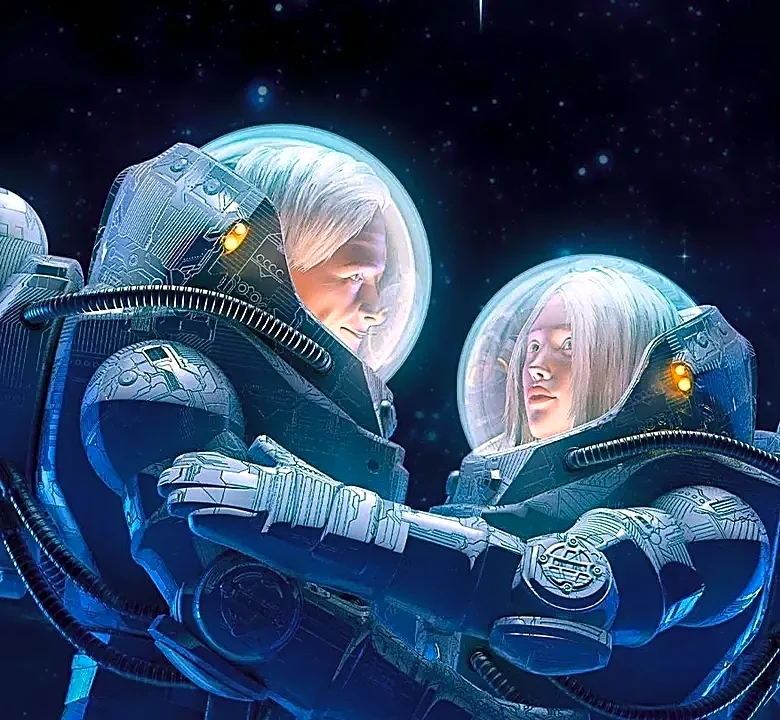
When we first meet Ryland Grace, he’s the furthest thing from a hero. He's a man waking from a coma in a spaceship, millions of miles from Earth, with two dead crewmates and a severe case of amnesia. His initial reaction isn’t bravery; it’s pure, logical
panic. He isn't a seasoned astronaut with nerves of steel. As his memories slowly return, we learn he's a former molecular biologist turned beloved middle school science teacher who was essentially conscripted into this suicide mission. He's brilliant, yes, but he's also a man who actively avoids conflict and risk. This is his defining trait early on: he's the guy who tries to get out of the adventure, not the one who signs up for it. His problem-solving skills are his only weapon, and he wields them like a teacher breaking down a complex subject for his students—methodically and with a touch of desperation.
Amnesia as an Engine for Growth
The novel's use of amnesia is more than just a plot device to create mystery; it's fundamental to Grace's character arc. As he rediscovers his own identity, he initially constructs a version of himself he can live with: a brave volunteer who sacrificed everything for humanity. The gradual, painful reveal that he was actually coerced—drugged and sent into space against his will—forces a crisis of conscience. He isn't the hero he imagined himself to be; he's a coward, at least by his own harsh judgment. This realization is a turning point. It shatters his self-perception and forces him to confront his own deep-seated fears and insecurities. He has to reconcile the terrified man he was on Earth with the person he needs to become if he, and humanity, are to survive.
The Rocky Friendship Factor
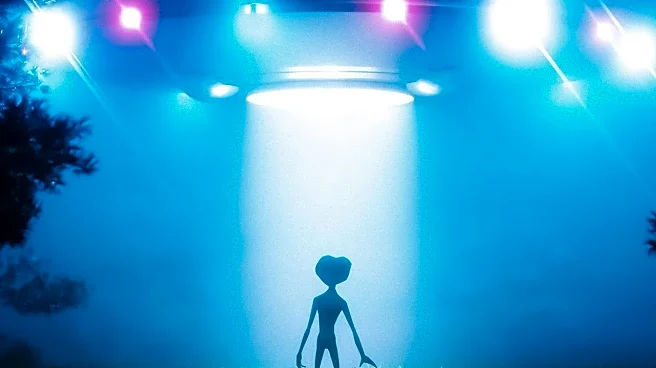
Grace's transformation from a solitary survivor into a true hero is catalyzed by one of modern sci-fi's greatest creations: Rocky. An alien engineer from a doomed world, Rocky is Grace’s counterpart—equally brilliant, equally desperate, and utterly alone. Their initial meeting is tense, but it quickly evolves into a friendship built on mutual respect, scientific curiosity, and a shared, absurdly high-stakes goal. They learn to communicate, share knowledge, and even joke. This relationship is the heart of the story. For Grace, a man who was lonely and disconnected on Earth, this interspecies bond provides the meaningful connection he always lacked. Heroism, it turns out, isn’t a solo endeavor. It's in his partnership with Rocky that Grace finds a purpose beyond his own survival; he's no longer just saving Earth, he's saving his friend.
From Self-Preservation to Sacrifice
The ultimate test of Grace's evolution comes at the story's climax. After they find a solution to save both their planets, Grace is faced with an impossible choice. He has enough fuel to return to Earth as a hero, but Rocky’s ship is damaged and his own people are doomed without the precious data they've collected. The old Ryland Grace, the one who tried to back out of the mission, would have chosen self-preservation. But the man forged in the crucible of deep space, the man who found a family in a spider-like alien, makes a different choice. He turns his ship around, sending the solution to Earth on automated probes while he goes back to save his friend. This final act isn't born of a death wish, but of love and loyalty. He willingly sacrifices his own homecoming to ensure his friend makes it back to his.