






Function Over Fashion
A witcher's job is fundamentally absurd. They hunt creatures that spit acid, rend steel with their claws, and shatter bones with their bulk. Their armor isn't a fashion statement; it's a life-preserving tool. A single type of leather, no matter how tough,
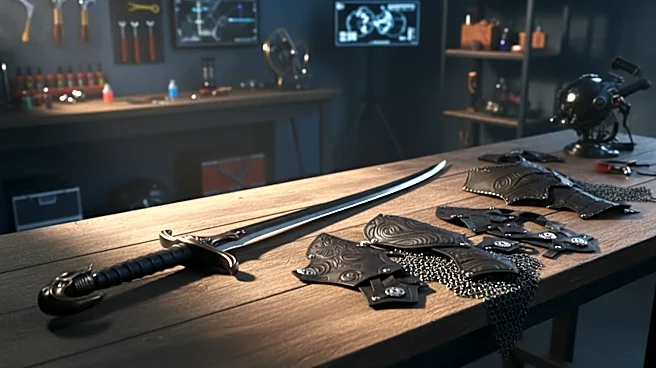
simply wouldn't cut it. A professional monster slayer needs gear that offers a complex blend of properties: the toughness to deflect a claw, the flexibility to dodge a tail swipe, the resilience to resist corrosive venom, and the lightness to avoid exhaustion mid-fight. This is why a witcher’s armor is a composite, a carefully assembled collection of materials tailored for a brutal, unpredictable job. Think of it less like a simple jacket and more like a Formula 1 car—every single component is chosen for a specific, high-stakes purpose. The studs, the straps, the plates, and the leather itself all work in concert.
A Bestiary You Can Wear
In the world of The Witcher, the most effective armor components often come from the very monsters Geralt is paid to hunt. The crafting system, particularly in 'The Witcher 3: Wild Hunt', reveals a deep material science. Generic terms like 'leather scraps' or 'cured leather' form the base, likely sourced from common animals like deer or goats. But the real magic lies in the specialized components. To create truly exceptional gear, an armorer needs things like 'Cured Draconid Leather'. This material, crafted from the hides of dragon-like creatures, offers superior protection. The game implies that different monster hides possess unique qualities. A basilisk's hide, valued for its use in fashionable accessories in the lore, might offer resistance to venom or acid. An endrega’s chitinous shell can be used for armor reinforcements, suggesting it provides a rigid, plate-like defense. This 'monster-to-market' economy means a witcher's armor is a living record of their most dangerous contracts.
The Philosophy of the Schools
The diversity in 'witcher leather' also stems from the different philosophies of the various witcher schools. Each school trains its members in a distinct combat style, and their gear reflects that. The School of the Cat, known for producing nimble, agile witchers, favors light armor that prioritizes speed and quick strikes. This gear logically uses lighter, more pliable leathers. In contrast, the School of the Bear focuses on raw power and defense, utilizing heavy armor that can absorb massive amounts of damage. Their sets are reinforced with chainmail and thick, heavy hides, sacrificing mobility for sheer resilience. The School of the Wolf, Geralt's own, seeks a balance between swordsmanship and Sign usage, and its medium armor reflects this versatility. Therefore, the 'leather' used in a Cat school gauntlet is fundamentally different from the leather in a Bear school cuirass, each tailored to a specific way of fighting and surviving.
Real-World Parallels in Tanning and Crafting
This complexity mirrors the real world of leatherworking. Historically, armorers didn't just use one type of leather. They had access to cowhide, which is tough and widely available, but also materials like buffalo hide for pieces needing extreme durability. The process of treating the leather was paramount. Techniques like 'cuir bouilli', or boiled leather, involved treating vegetable-tanned leather in hot water, wax, or oil to make it hard and rigid, almost like plastic. This hardened leather was perfect for shaping into cuirasses and helmets. Softer, more flexible leathers would be used for joints or for the backing on brigandine armor. In 'The Witcher 3', you see this reflected in crafting recipes that require both 'Cured Leather' and 'Hardened Leather', the latter often involving wax in its creation. This shows that, just like a medieval armorer, a witcher's craftsman must be a master of materials, knowing which hide and which treatment is right for each part of the armor.