




The People’s Festival Has a Different Vibe
To understand the fashion, you have to understand the festival itself. Unlike the exclusive, industry-focused grandeur of Cannes, TIFF is famously known as “the people’s festival.” Running from September 10th to the 20th this year, its atmosphere is deliberately
more public-facing. A massive portion of downtown Toronto transforms into “Festival Street,” a free, open-air celebration with outdoor screenings, food trucks, and fan zones where the public can mingle and watch red carpet arrivals. This accessible ethos naturally trickles down to the style. While Cannes encourages celebrities to make bold, artistic fashion statements with custom couture on its highly exclusive red carpet, TIFF’s DNA is more grounded. It’s a bustling, sprawling urban event where stars, industry professionals, and movie lovers are all part of the same energetic ecosystem. The result is a wardrobe that often prioritizes practicality and a certain North American cool over performative European glamour.
Decoding the Daytime Uniform
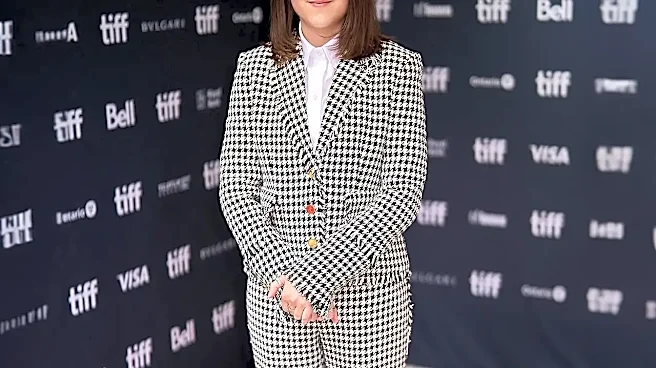
The core of TIFF's accessible style is seen during the day. Before the evening premieres, stars are in work mode, shuttling between press conferences, photo calls, and industry panels. Their schedules demand a uniform that is chic yet functional. This is where you see the outfits that feel refreshingly real. Think less ballgown, more blazer. The look often involves sharp tailoring, like a well-cut jacket thrown over a simple top, paired with smart trousers or dark-wash jeans. Footwear is key; polished sneakers, stylish loafers, and elegant flats are common, reflecting the need to navigate a busy city festival on foot. Last year, Elle Fanning provided a perfect example, wearing a classic and chic Chanel twinset for a day of press before changing into a floor-length Valentino gown for her evening premiere. This is the TIFF aesthetic in a nutshell: professional polish that looks put-together without trying too hard.
The Glamour Is Still There, Just More Concentrated
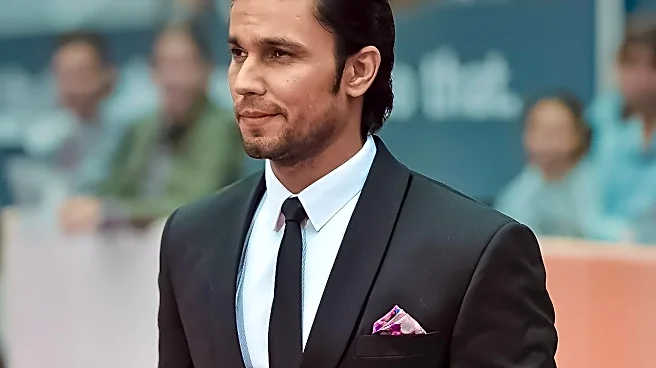
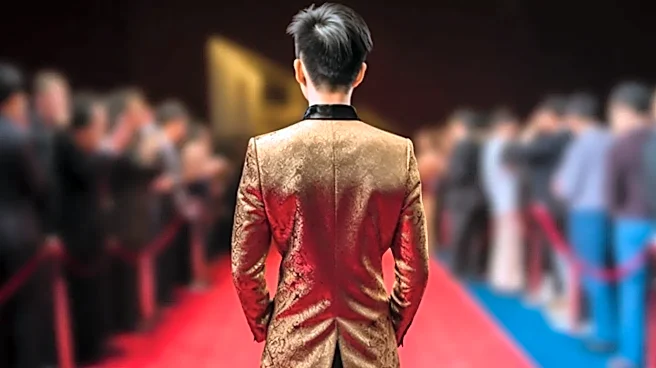
This isn't to say that TIFF is devoid of glamour. When night falls and the gala premieres begin at venues like Roy Thomson Hall, the gowns absolutely come out. Stars like Cate Blanchett, Penélope Cruz, and Channing Tatum, all expected at the festival, will undoubtedly deliver stunning red carpet moments. However, this evening formality only serves to highlight the accessibility of the daytime looks. The ability for a celebrity to wear a relatable, smart-casual outfit for interviews and then transform into a movie star for a premiere is part of the festival's unique rhythm. The dress code, even for galas, is less rigid than at other global events. It’s described as smart and celebratory, encouraging attendees to dress up but not binding them with the strict, black-tie mandates seen elsewhere. This allows for more personal expression, from elegant cocktail dresses to fashion-forward jumpsuits, further enhancing the sense that style at TIFF is a choice, not a costume.
A More Modern Kind of Cool
Ultimately, the accessibility of TIFF’s daytime style resonates because it feels more connected to how people actually dress. While a custom Schiaparelli gown is a fantasy, a star in a great blazer, quality denim, and cool sneakers offers genuine inspiration. It closes the gap between the on-screen icon and the off-screen person, presenting a version of celebrity that feels both aspirational and achievable. This approach doesn’t make TIFF less stylish; it just redefines what festival style can be. It trades old-world, high-stakes glamour for a more modern, versatile, and authentic cool. It’s fashion that works for the camera, for the city, and for the job at hand—selling a movie. In doing so, it provides a style playbook that feels much more relevant to its audience.