






Anarchy From the Start
To understand the VMA red carpet, you have to understand MTV itself. Launched in 1981, the channel was a disruptor, and its awards show, first held in 1984, was designed to be the rebellious younger sibling to the buttoned-up Grammys. That very first year,
Madonna set the tone by performing "Like a Virgin" in a punk-rock wedding dress, complete with a "Boy Toy" belt buckle, and writhing on the floor. It wasn't a red carpet moment, but the message was clear: this was not a place for quiet elegance. It was a stage for personality, provocation, and performance from the moment an artist arrived.
The '90s: Shock Value and Statements
The 1990s cemented the VMA's reputation for sartorial chaos. The looks were less about high fashion and more about creating a moment. In 1998, Rose McGowan arrived in a sheer, beaded chainmail dress that left little to the imagination, accompanied by Marilyn Manson. Years later, McGowan revealed the look was a defiant, personal statement against the industry's culture of exploitation following her own sexual assault. The following year, Lil' Kim took it a step further with a one-shouldered lavender jumpsuit that featured a matching seashell pasty over her exposed breast, a look so memorable that Diana Ross playfully jiggled the star's chest on stage. These weren't just outfits; they were headlines waiting to happen.
The Denim-Clad 2000s
As pop music reached a fever pitch in the early 2000s, VMA fashion became a reflection of peak celebrity coupledom and questionable trends. The undisputed peak (or valley, depending on your perspective) was in 2001, when pop's reigning couple, Britney Spears and Justin Timberlake, arrived in matching all-denim ensembles. Spears wore a strapless patchwork denim gown, while Timberlake sported a denim blazer and fedora. The look was so infamous that it has been referenced and parodied for decades, including by Katy Perry at the 2014 VMAs, cementing its place in pop culture history. The era was defined by this kind of playful, often tacky, and utterly unforgettable coordination.
The Gaga Effect: Fashion as Performance Art
Just when it seemed the red carpet couldn't get more shocking, Lady Gaga arrived. For several years, she used the VMAs as her personal gallery. But it was her 2010 appearance that stopped the world: a dress, hat, and boots made entirely of raw flank steak. The infamous "meat dress," designed by Franc Fernandez, was both condemned by animal rights groups and hailed as a major fashion statement. Gaga explained it was a statement against the military's "Don't Ask, Don't Tell" policy, arguing that if people don't stand up for their rights, they'll have as many rights as "the meat on our own bones." The dress, which was later preserved as jerky, is now displayed in a museum. Gaga had transformed the red carpet from a fashion show into a platform for performance art.
The Modern Era of Viral Moments
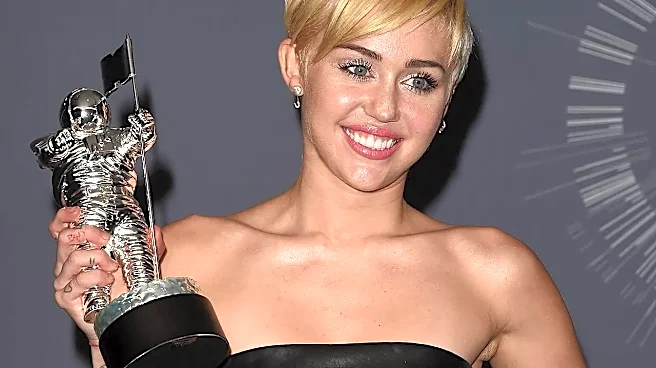
Today, the VMA red carpet continues its legacy of unpredictability, amplified by the power of social media. Artists now arrive with the goal of creating a viral moment. Miley Cyrus, as host in 2015, wore a series of barely-there outfits, including a silver harness that was more accessory than clothing. The carpet is a place for artists to pay homage to past iconic looks, make political statements, or simply wear something so outrageous it dominates the conversation for the next 24 hours. The outfits are often sheer, sculptural, and designed to stand out in a crowded field of celebrity. The core DNA of the VMA red carpet remains unchanged; it is a space where the only rule is that there are no rules.