




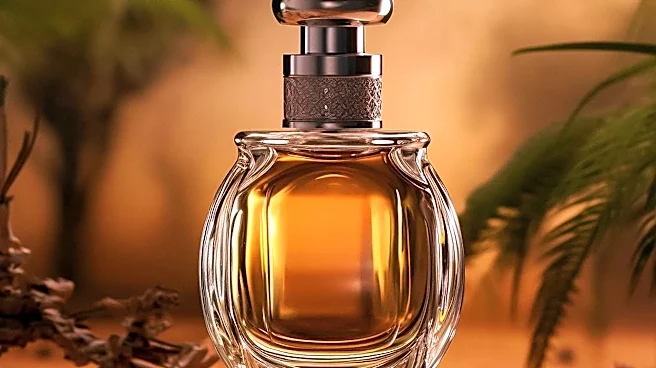


The Scent That Defined a Decade
Since its launch in 2015, Dior Sauvage has achieved something few fragrances ever do: total market domination. It’s the scent of the modern man, a go-to for its sheer versatility and crowd-pleasing power. Wear it to the office, on a date, or to a casual
weekend brunch; it simply works. The fragrance, crafted by legendary perfumer François Demachy, was inspired by wide-open spaces and a raw, untamed masculinity. Its immediate signature is a powerful combination of fresh, juicy Calabrian bergamot and a biting dose of pepper, all resting on a warm, ambery wood base that lasts for hours. This is the Sauvage everyone knows and recognizes instantly.
Beyond the Big Three Notes
Ask anyone what Sauvage smells like, and you’ll likely hear three things: citrus, pepper, and ambroxan. The bergamot provides that bright, explosive opening. The Sichuan pepper gives it a unique, almost electric sparkle that sets it apart from simple black pepper. And then there's the ambroxan, a synthetic molecule with a complex profile that is woody, ambery, and musky, giving the fragrance its famous longevity and clean, mineralic dry-down. These three pillars form the fragrance’s core identity. They’re bold, assertive, and easy to love. But the genius of the composition isn’t just in these star players; it’s in the supporting cast that works quietly in the background.
The Secret Hiding in the Heart
The hidden note, the one that bridges the gap between the fresh opening and the warm base, is elemi. While it's listed among the middle notes in some breakdowns, its subtlety means it's often overshadowed by the louder pepper and lavender. Elemi is a fragrant resin from a tree native to the Philippines, a botanical cousin to the more famous frankincense and myrrh. Its inclusion is a masterful touch. It’s not meant to be a dominant force but a connecting thread, adding a layer of sophistication that prevents Sauvage from being a simple two-act show of citrus and woods. Without it, the fragrance would lose a crucial element of its complex character.
What Is Elemi and Why Does It Matter?
So what does elemi actually smell like? Imagine a scent that is lemony, peppery, and pine-like all at once, with an underlying balsamic sweetness. It has a fresh, almost green spiciness that perfectly complements both the bergamot top note and the Sichuan pepper in the heart. In perfumery, elemi is used to add brightness and complexity. In Sauvage, it acts as a subtle resinous hum beneath the surface. It provides a touch of incense-like depth without the heavy, smoky feel of its cousin, frankincense. This complexity is exactly why Sauvage has endured. It’s easy to like on the surface, but for those who pay attention, there’s a richer story being told.
How to Train Your Nose to Find It
Ready to go on a scent hunt? Finding the elemi note requires a little patience. The key is to get past the initial, powerful blast of bergamot. Spray Sauvage on a tester strip or the back of your hand and let it sit for about 10 to 15 minutes. As the bright citrus begins to fade, close your eyes and look for what’s left. Ignore the obvious pepper and the emerging ambroxan. Instead, search for a faint, slightly sweet, and resinous aroma. It's a clean, green incense scent that feels different from the other notes. Once you identify that subtle, lemony-pine spiciness, you’ll never be able to un-smell it.