

Your Brain on Live Music Is a Messy, Beautiful Thing
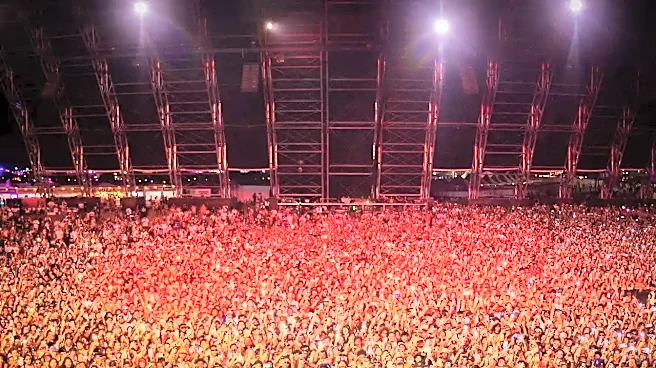
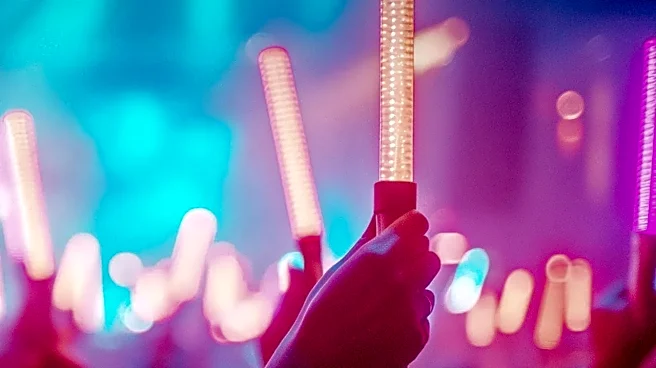
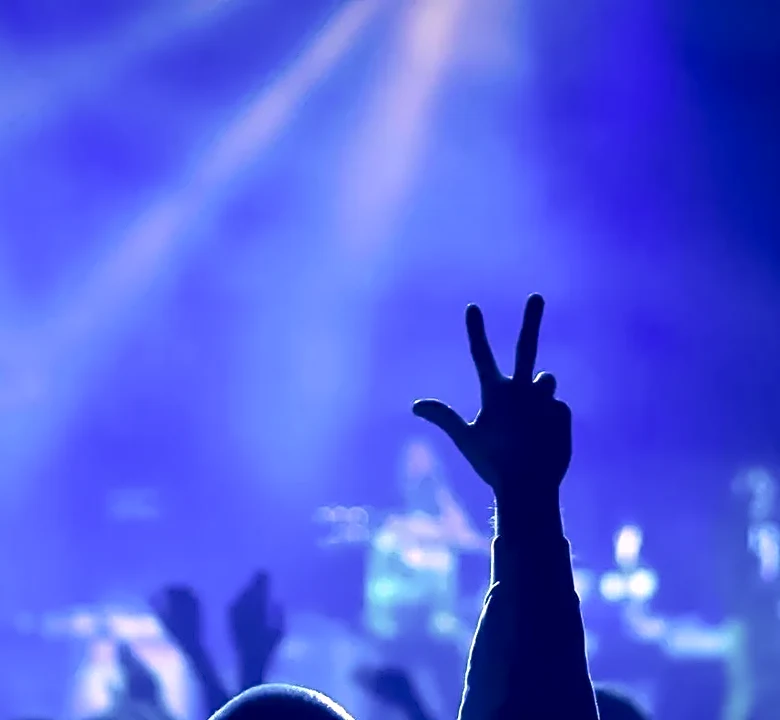
A live concert is a full-body sensory assault in the best possible way. It's not just what you hear, but what you feel: the bass vibrating in your chest, the heat from the crowd, the massive visual of the stage lights. This flood of information sends
your brain into overdrive. It’s not just processing music; it’s processing an event. This multi-sensory experience engages emotional centers in the brain more strongly than recorded music ever could. Add the social element—thousands of people cheering, dancing, and singing along—and you get what psychologists call emotional contagion. The joy and excitement of the people around you become your own, amplifying your feelings into a state of collective euphoria. Your brain isn't just recording audio; it's creating a rich, emotional, and physical memory of an entire atmosphere.
Meet Your Brain's Producer: The Peak-End Rule
Our brains are not perfect recording devices; they're more like highlight-reel producers. A psychological principle called the “peak-end rule” explains that we don’t remember experiences as a flat average of every moment. Instead, we disproportionately remember two things: the most emotionally intense moment (the “peak”) and the very end. Think about that ACL set. You remember the single biggest drop, the one massive singalong, or the surprise guest. You also remember the feeling of the final encore ringing out as you walk away exhilarated. Your brain seizes these snapshots and uses them to construct the memory of the entire set, conveniently editing out the lulls, the slightly off-key moments, or the time you spent waiting for the next song. This mental shortcut is why an hour-long set with two phenomenal moments can feel more legendary in your memory than a consistently good one.
The Unflattering Honesty of a Soundboard
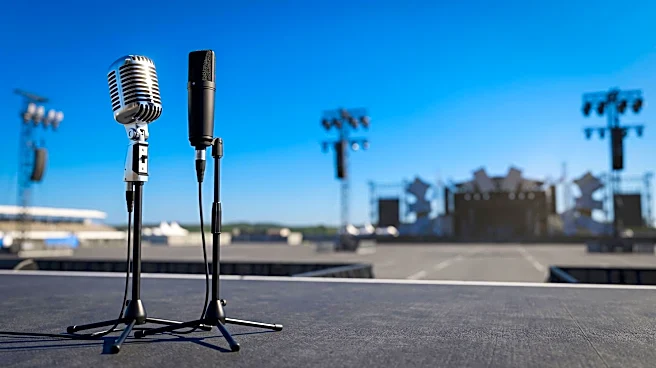
When you watch a video back, you're not just getting a different perspective—you're getting a different reality. The pristine audio is usually a direct feed from the soundboard, which is mixed for technical perfection, not for the live atmosphere. It strips away the very things that made the live experience so powerful: the roar of the crowd, the way the sound bounced and echoed around the park, and the shared energy of the audience reacting in real-time. A professional recording flattens the experience, turning a three-dimensional event into a two-dimensional document. It can expose imperfections you didn't notice, like a strained vocal or a slightly missed cue, precisely because all the other sensory information that previously masked it is now gone. The video is technically more accurate, but emotionally, it's telling a far less complete story.
The Camera Is Not Your Eyeball
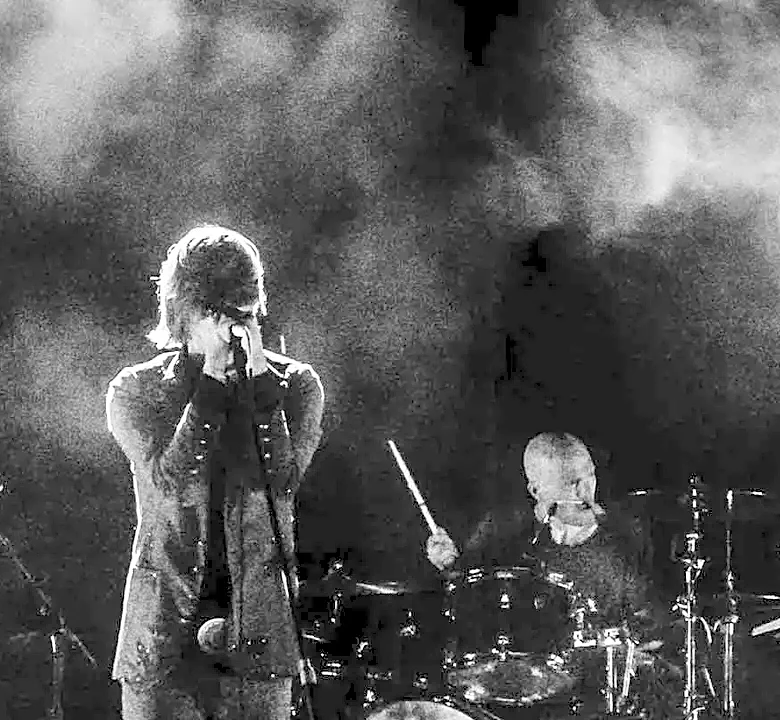
The visual is just as jarring. The official video is a montage of carefully chosen angles: a sweeping crane shot, a tight close-up on the guitarist's fingers, a wide shot from the back of the park. None of these were your actual point of view. You weren't seeing the drummer's sweat from five feet away; you were 100 yards back, watching the energy ripple through the people in front of you. The video replaces your personal, subjective experience with an objective, curated one. This can create a disconnect, where the flawless, multi-cam production doesn't match the beautifully imperfect, singular experience that is stored in your brain. The video shows you what happened, but your memory holds how it felt to be there, and those are two very different things.
Embrace the Two Truths
So, which one is real: the transcendent memory or the clinical video? Both are. The memory isn’t a lie; it’s a personalized, emotional truth. It captures the essence of the experience, which is about more than just the notes played. It’s a souvenir of a moment when music, place, and people all came together perfectly for you. The video is a different kind of truth—a factual document of the performance itself. Sometimes, watching it back can even enhance your appreciation by revealing a clever lyric or a complex musical part you missed in the moment. The key is to not let the video overwrite the memory. Your favorite set was as amazing as you remember it, because the experience was more than what a camera and a microphone could ever capture. The magic was real, even if it can't be replayed on a screen.