








The Myth of a Single Storyline
To the casual observer, the 'Halloween' series looks like a straightforward slasher saga: Michael Myers escapes, terrorizes Haddonfield, and is seemingly defeated, only to return a few years later. But for anyone attempting a franchise marathon, the story
quickly becomes a confusing mess. That's because there is no single 'Halloween' canon. Instead, the series is fractured into at least five distinct timelines, each rebooting the continuity and erasing previous sequels. One timeline introduces a sibling connection between Laurie Strode and Michael, which fuels a multi-film arc involving a druidic cult. Another erases everything after 1981's 'Halloween II' to create a direct sequel, 'Halloween H20'. Then there are Rob Zombie’s polarizing remakes, which exist in their own universe. And, most recently, David Gordon Green’s trilogy ignores every film except the 1978 original. Each of these timelines represents a different creative vision, a different set of rules, and a different contract with the audience. Comparing the box office of a sequel from the 'Curse of Thorn' arc to a film from the H20 timeline is like comparing apples and oranges—they simply aren't playing the same game.
Fan Expectations and Creative Gambles
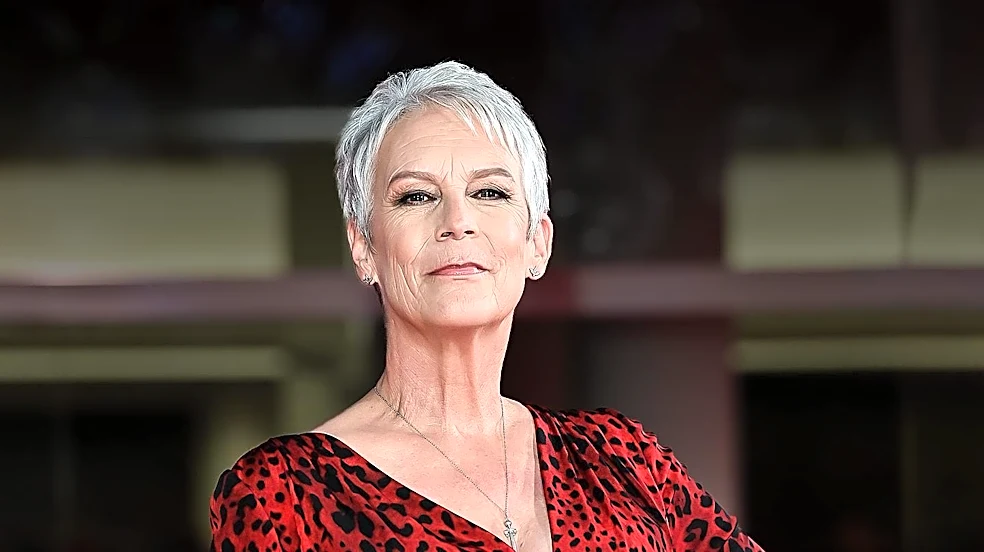
The franchise’s splintered nature means each new entry arrives with a unique set of expectations. Rob Zombie’s 'Halloween' (2007) and 'Halloween II' (2009) were met with a divisive reception precisely because they eschewed the mystery of the original, offering a gritty, psychological backstory for Michael Myers. Some fans appreciated the new take, while many purists felt it betrayed the character’s enigmatic nature. This creative departure makes it analytically unsound to place its box office performance directly against a more traditional entry. Similarly, the most recent trilogy from director David Gordon Green illustrates this challenge perfectly. 'Halloween' (2018) was a massive success, earning praise and over $255 million worldwide by returning to the franchise's roots and bringing back Jamie Lee Curtis. However, its sequels, 'Halloween Kills' and 'Halloween Ends', took significant creative risks that divided audiences. 'Kills' was an exercise in brutal chaos, while 'Ends' sidelined Michael Myers for much of its runtime to focus on a new character, Corey Cunningham, leading to a polarized response and a notable drop in box office revenue from the 2018 film.
More Than Just a Mask
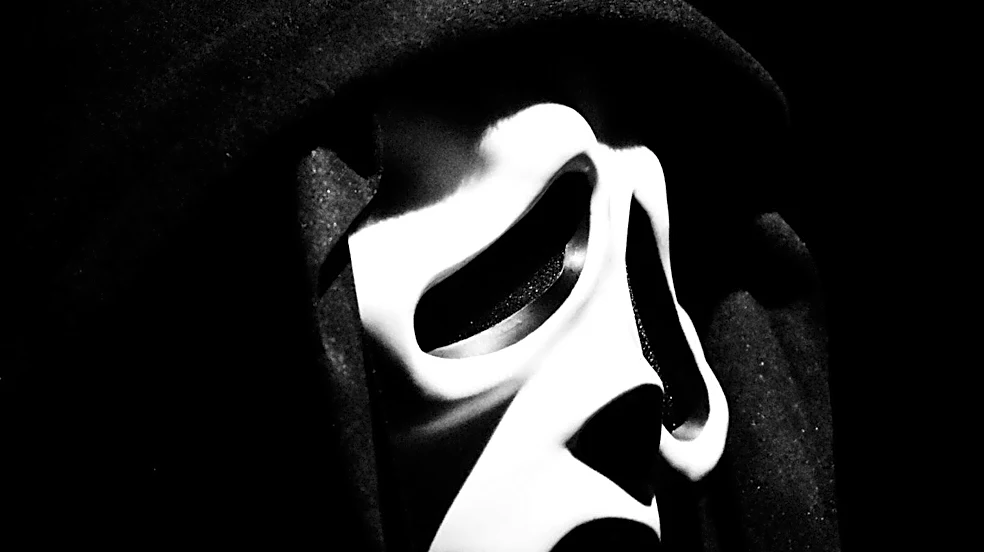
Beyond narrative continuity, the tone and intent of each 'Halloween' release vary wildly. 'Halloween III: Season of the Witch' famously contains no Michael Myers at all, representing an early, failed attempt to turn the franchise into an anthology series. Its box office failure cemented Michael's importance. 'Halloween H20: 20 Years Later' rode the 'Scream'-inspired wave of meta-slashers in the late '90s, delivering a slick, polished product that felt distinctly of its time and became a box office hit. In contrast, some of the earlier sequels in the original timeline, like 'Halloween 5: The Revenge of Michael Myers', represented a financial nadir for the franchise, bogged down by convoluted mythology and diminishing returns. When a film like 'Halloween' (2018) succeeds, it’s not just because of the brand. It succeeded by leveraging nostalgia, a clear creative vision, and the highly anticipated return of a beloved final girl. Its sequels didn't perform identically because they weren't identical products; they told different stories with different goals, and audiences responded accordingly.