






The Gospel of 'Plan B'
Long before the first celebrity walks the red carpet, a live television producer's most important work is already done. It’s called contingency planning, and it’s the art of anticipating failure. Producers and their teams create what is essentially a 'book
of nightmares,' a detailed document outlining every conceivable problem and its corresponding solution. This covers everything from the mundane, like a microphone battery dying, to the dramatic, like a presenter falling ill mid-show. The process involves asking, "What are the most likely things to go wrong?" and building a specific response for each. Is there a backup host on standby? Are there pre-taped segments ready to roll in case of a major technical meltdown on stage? For producers, the goal isn't to prevent every problem—it's to have a 'Plan B' so polished that the audience never even knows 'Plan A' failed.
Wrangling Talent and Taming Chaos
While technical glitches are one thing, the human element is famously unpredictable, especially at an event known for its boundary-pushing artists. Producers can't script what a star will say in a rambling acceptance speech, but they can prepare for it. This involves pre-show conversations to align on the show's vision, clear communication with talent managers, and empowering stage managers to give firm cues. In the control room, the director and producer act as the central nervous system, ready to make split-second decisions. If a moment becomes too controversial or profane, they rely on the broadcast delay—often called the "seven-second delay"—which provides a crucial buffer to cut the feed or bleep out audio before it hits the air. This system was famously devised in the 1970s and remains a critical tool for managing live TV's inherent risks.
The Control Room Command Center
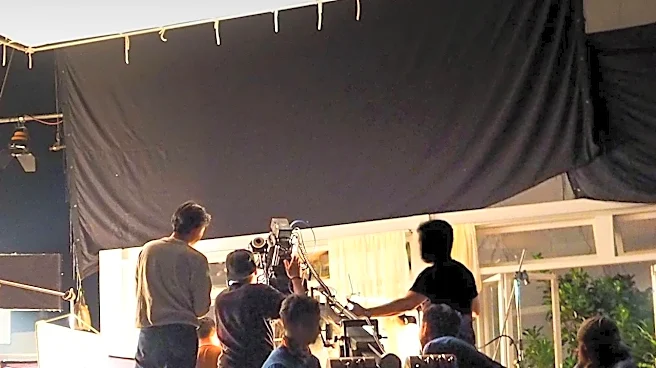
The atmosphere inside a production truck during a live show is one of intense, focused calm. The director calls out camera shots, the producer keeps an eye on the show's timing and overall narrative, and a script supervisor ensures everything stays on track. When something unexpected happens—like Krist Novoselic of Nirvana famously hitting himself in the head with his own bass in 1992—the director has milliseconds to decide which camera to cut to. Do they stay on the chaotic moment, cut to a wide shot of the stage, or go to a bewildered audience reaction? Each choice shapes the viewer's experience. This team is in constant communication, not just with each other, but with camera operators and stage crew, ready to pivot instantly if a segment runs long or an error occurs. If time needs to be made up, non-essential parts of the show, like presenter banter or even a short segment, can be cut on the fly.
Knowing When to Let it Ride
The most experienced producers also know that not every off-plan moment is a disaster. Some become pop culture history. When Kanye West interrupted Taylor Swift's acceptance speech in 2009, the producers didn't immediately cut to a commercial. They let the raw, uncomfortable, and utterly compelling human drama play out. The decision to hold on a moment like that—or on Madonna's spontaneous roll on the floor during her 1984 "Like a Virgin" performance—is a calculated risk. A savvy producer can feel when an unplanned incident is turning into television gold. Their job isn't just to prevent mistakes but to recognize the moments that define a show. They understand that the VMA's reputation is built on its mix of chaos and creativity, and sometimes the best plan is to let go of the plan entirely and just capture what's happening.