

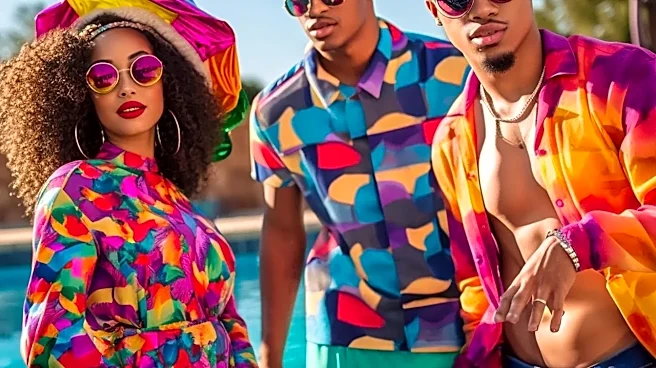

Want a costume that breaks gender norms but doesn't leave people asking, 'So... what are you?' Crafting a gender-open look is an art, but the key isn't to be ambiguous; it's to be specific in a whole new way. Here's how to do it.
Start With a Strong Concept, Not a Character
The secret to a clear,
non-vague costume is a strong core idea. Instead of starting with a pre-existing, gendered character like 'Superman' or 'Cinderella,' begin with a concept. Are you 'The Keeper of Lost Stories,' 'A Human Embodiment of a Glitch,' 'The Last Beekeeper on Earth,' or 'Captain of a Starship Powered by Jazz?' These concepts are rich with visual potential but aren't tied to a specific gender. The idea itself provides the narrative, allowing you to build the visual details—clothing, props, makeup—around a story rather than a pre-defined body type or gender presentation.
Lean on Archetypes, Not Stereotypes
Archetypes are powerful because they’re instantly recognizable patterns of behavior or personality—The Explorer, The Oracle, The Trickster, The Scholar. These roles are universal and not inherently gendered. A 'Rogue Alchemist' costume, for instance, immediately brings to mind images of strange potions, leather-bound books, singed aprons, and mysterious tools. This is far more specific and exciting than just a generic 'wizard' or 'witch'. Think about what your chosen archetype does, and let that guide your costume. A 'Celestial Cartographer' would have different tools and attire than a 'Deep-Sea Botanist', but neither requires a gender for the costume to make perfect sense.
Tell Your Story with Specific Props and Accessories
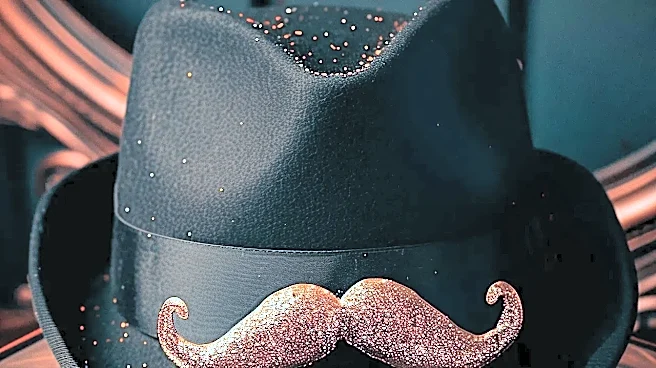
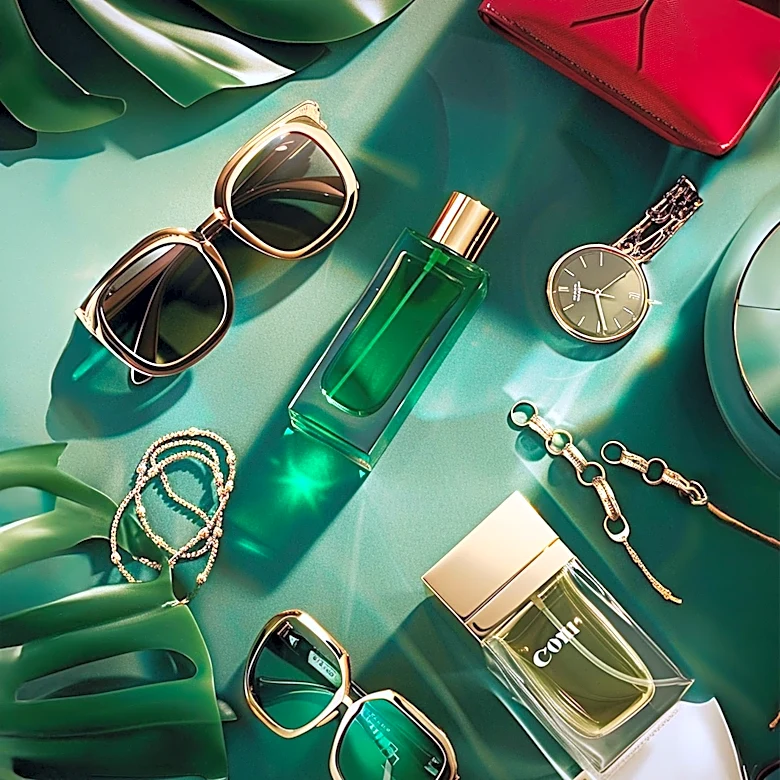
A plain outfit can be transformed into a specific character with the right accessories. An all-black outfit is just an all-black outfit. But add a top hat, a single white glove, and a mysterious-looking key, and you become a 'Supernatural Locksmith'. Add a pair of aviator goggles, a vintage map, and a compass, and you’re a 'Time-Traveling Aeronaut'. Props do the heavy lifting, instantly communicating your costume's purpose and story. They are the details that move a costume from vague to vivid. Think about what your character would carry, use, or treasure. These items are often more important than the clothes themselves for clarity.
Focus on Silhouette and Texture
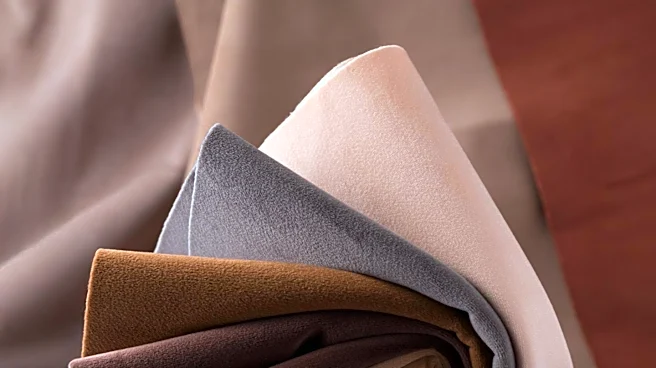
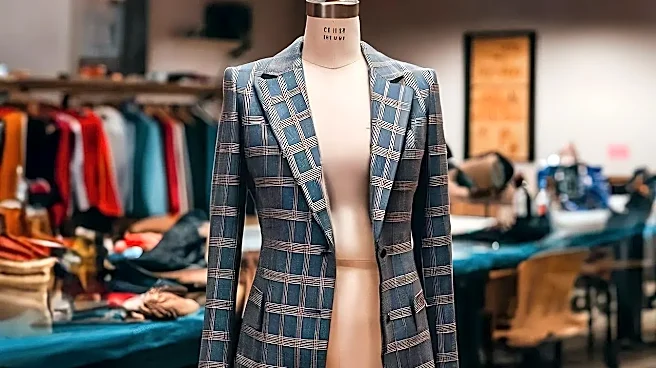
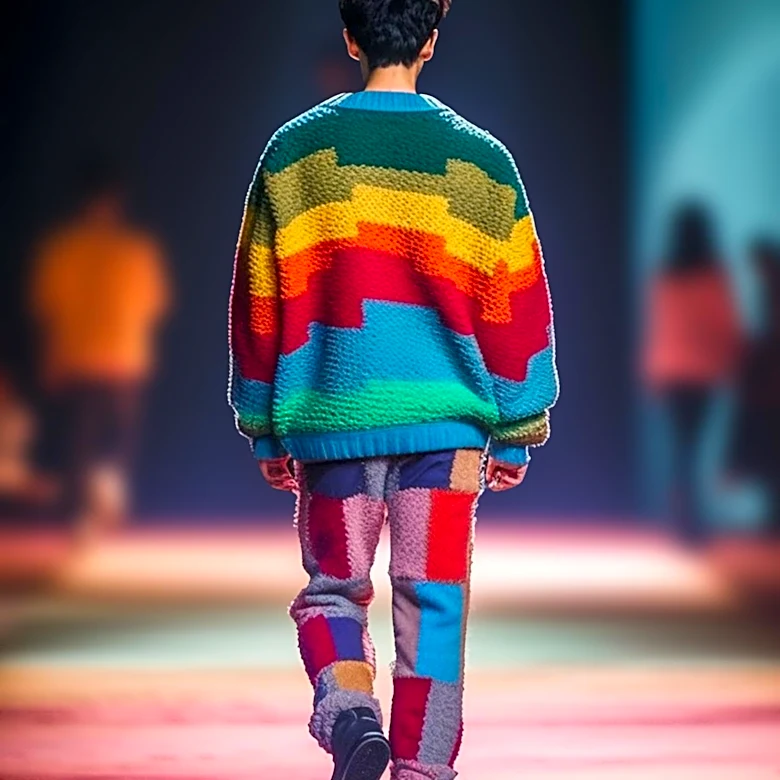
Instead of focusing on gendered fits like a 'men's cut' or 'women's cut,' think about shape and material. A dramatic silhouette—like a sweeping cloak, a structured blazer with sharp shoulders, or wide-legged trousers—creates a powerful visual that has nothing to do with gender. Texture adds another layer of storytelling. Are the clothes made of rough, durable canvas, suggesting a life of adventure? Or are they smooth silks and velvets, hinting at luxury and mystique? Combining textures, like a leather harness over a soft linen shirt, can create a complex and interesting character. These design elements communicate a feeling and a story all on their own.
Deconstruct and Reimagine a Classic
If you love a well known character, you don't have to abandon them. Instead, deconstruct their core elements and build a gender open version. What makes Indiana Jones who he is? A fedora, a whip, a leather jacket, and a thirst for ancient artifacts. None of those things are inherently gendered. You can create an 'Indy' look that is completely your own. What defines the Joker? Chaos, a purple and green color scheme, and a maniacal grin. By focusing on the iconic symbols, colors, and props associated with a character, you can create a recognizable homage that’s free from the constraints of the original's gender presentation.