



The Sonic Balancing Act
The number one challenge for any multi-stage festival is sound bleed—the chaotic overlap of a folk singer’s ballad with a DJ’s bass drop. ACL’s producers, C3 Presents, approach this like a complex puzzle. The solution begins with distance and orientation.
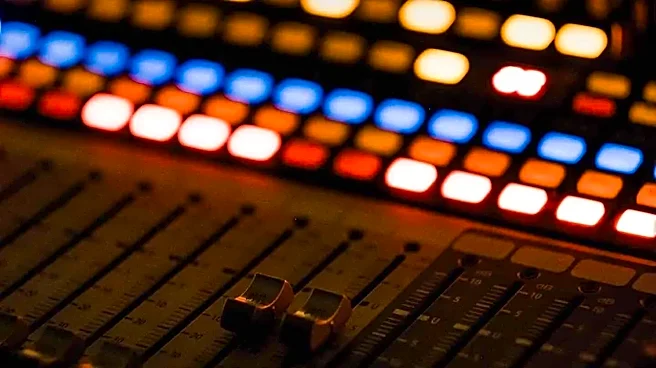
Major stages are positioned at opposite ends of the park, while smaller stages are tucked into acoustically favorable zones. Modern sound technology is the secret weapon. Organizers use directional line array speakers that focus sound directly onto the audience, creating sharp audio boundaries. Advanced software allows engineers to simulate sound pressure across the park before the first roadie arrives, predicting and mitigating problem areas. They can even make real-time adjustments based on weather, as wind and humidity can dramatically alter how sound travels.
Mastering the Human River
Moving tens of thousands of people safely and comfortably is a massive logistical feat. The layout is designed to disperse crowds and prevent dangerous bottlenecks. By placing the two largest stages—American Express and Honda—at opposite ends of the 46-acre grounds, organizers naturally spread out the largest concentrations of fans. The pathways between stages are intentionally wide and clear to facilitate smooth movement. But it's not just about the main arteries. The placement of essential services is just as strategic. Food courts like ACL Eats, water refill stations, and sprawling banks of restrooms are located in central hubs or along major pathways, often in areas with lower foot traffic between major sets. This prevents chokepoints from forming and keeps the human river flowing smoothly.
The Art of Curating a Vibe
Beyond the technical logistics, stage placement is an art form meant to shape your emotional experience. The layout creates distinct zones, each with its own energy. The main stages are built for massive, communal moments with global headliners. In contrast, smaller stages like the BMI stage are often nestled in more intimate, tree-lined corners of the park. These serve as discovery zones where attendees can stumble upon their new favorite band in a more relaxed setting. This intentional variety allows for an emotional rhythm to the day. You can go from a high-energy rock show at a main stage to a chill, acoustic set in a shaded grove, giving your senses a much-needed break before diving back into the fray. Even the sponsor activations and art installations are placed to enhance these zones, contributing to the overall immersive world of the festival.
The Headliner Counter-Programming Puzzle
The most crucial decision of the night for many fans is which headliner to see. ACL’s layout is built around this choice. By running two major headliners simultaneously on opposite ends of Zilker Park, organizers perform a critical act of crowd control. This counter-programming splits the massive final crowds of the night, easing congestion and making the experience safer and more enjoyable for everyone. This design also considers genre. Often, the headliners will represent different styles of music—for instance, a pop superstar on one end and an indie rock legend on the other. This caters to different tastes and further divides the audience naturally. Getting a good spot for these sets requires planning; veterans know to head to their chosen stage 30 to 45 minutes early before the space fills up.