






The Promise and the Peril
The term “Golden Generation” is both a blessing and a curse. It describes that rare moment when a constellation of world-class stars, all in their prime, emerges from the same country at the same time. Think of Portugal’s squad with Luís Figo and Rui
Costa in the early 2000s, or Belgium’s recent era of Kevin De Bruyne, Eden Hazard, and Romelu Lukaku. For fans, it’s intoxicating. It feels like destiny. Suddenly, winning the World Cup or a major continental trophy isn't just a dream; it’s an expectation. This isn't just a good team; it’s *the* team, the one that’s supposed to break the cycle of history. But with that hope comes immense pressure. The narrative is set from the start: anything less than the ultimate prize is a failure. There is no middle ground, no consolation prize for playing beautiful soccer or for years of exciting qualifying campaigns. The finish line is the only thing that matters.
The Brutal Math of a Knockout
The very structure of the tournaments these teams aim to win is designed to create cinematic tragedy. Unlike a league season, which rewards consistency over 38 games, a World Cup or the Euros is a ruthless, single-elimination gauntlet. A full cycle of work—four years of planning, development, and dreaming—can be undone by a single unlucky deflection, a controversial refereeing decision, or the agonizing lottery of a penalty shootout. This format flattens nuance. It doesn’t care that your team dominated possession or had more shots on goal. It only asks: did you win? When the answer is no, the narrative writes itself. The years of brilliant play become a footnote to the story of the final, tragic chapter. The media and fans, hungry for a simple storyline, find it easy to label a generation of artists as chokers. The journey is forgotten; only the destination—or lack thereof—is remembered.
Echoes of Failure, from Cruyff to Beckham
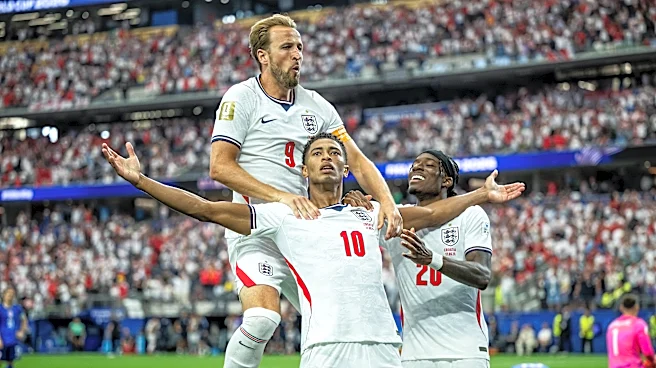
History is littered with the ghosts of Golden Generations. The most famous archetype is the Dutch team of the 1970s. Led by the revolutionary Johan Cruyff, their “Total Football” philosophy changed the game forever. They were magnificent, fluid, and seemingly unbeatable—until they reached two consecutive World Cup finals in 1974 and 1978, losing both. They are remembered as much for those two losses as for their genius. More recently, England’s team of the 2000s, featuring David Beckham, Steven Gerrard, Frank Lampard, and Wayne Rooney, carried the weight of a nation. This was a collection of Premier League titans, the best midfielders of their era. Yet their story is defined by quarter-final exits and, most painfully, penalty shootout losses to Portugal in both Euro 2004 and the 2006 World Cup. Those single nights of spot-kick agony have come to define an entire decade of English football, overshadowing the individual brilliance that populated the roster.
The Psychology of Unfinished Business
So why does the worst night stick with us? It comes down to the psychology of the unresolved story. The years of build-up create a powerful narrative arc that demands a triumphant conclusion. When that conclusion is snatched away at the last moment, the emotional impact is far greater than that of a team that was never expected to win in the first place. The pain isn't just about the loss; it's about the death of a beautiful idea. It’s the feeling of “what if?” that lingers for years. We remember the fall more than the climb because the fall is what makes the story a tragedy instead of a fairy tale. And in the grand theater of sports, tragedy is often more memorable, more discussed, and more potent than a simple, happy ending. The joy of a dozen great wins feels fleeting compared to the permanent scar of the one loss that truly mattered.