







An Accidental Storytelling Gift
When the world started masking up, Hollywood faced a choice: ignore reality or write it into the script. Many creators chose the latter, and in doing so, discovered that masks were more than just a safety measure—they were a potent narrative device. Shows
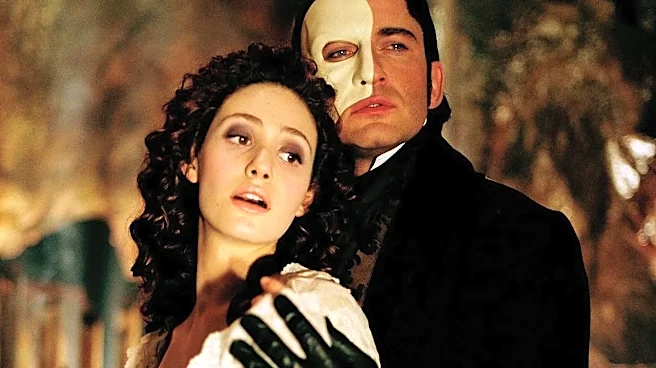
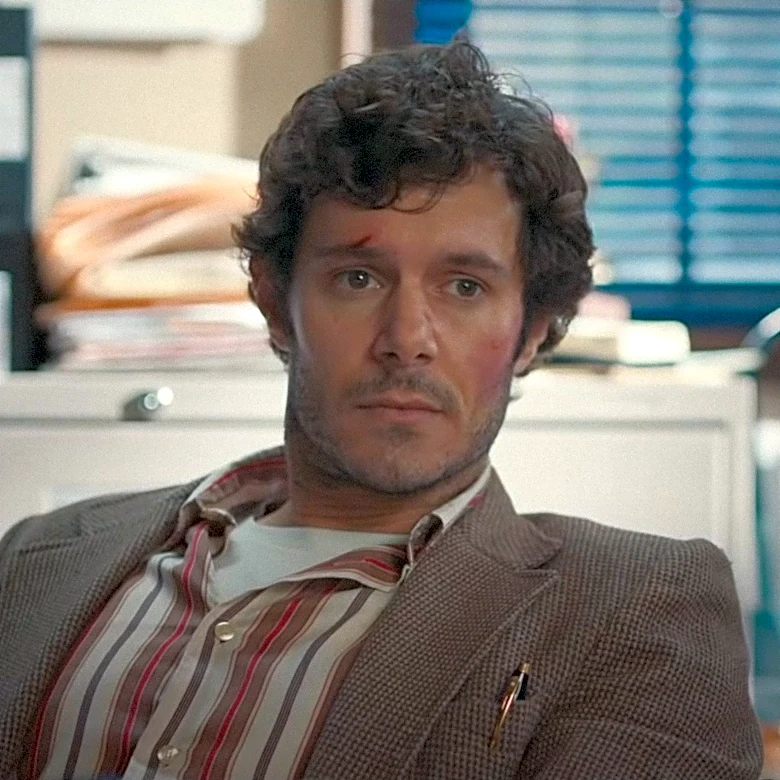
like "Superstore" and "This Is Us" directly incorporated the pandemic, using masks to ground their fictional worlds in our very real one. Suddenly, a character's choice to wear or not wear a mask could instantly communicate their personality—were they cautious, a rule-follower, or reckless? Masks could create mystery, obscure identity, or heighten a sense of paranoia and isolation. In a genre context, they've always been a staple for hiding heroes and villains, from Zorro to V for Vendetta. The pandemic era simply took this long-standing trope and applied it to everyday life, giving writers a new layer of subtext to play with in even the most mundane scenes.
A New Language of Performance
For actors, performing behind a mask was like suddenly losing access to half their tools. With smiles, sneers, and subtle lip movements gone, performers had to find new ways to convey emotion. The focus shifted intensely to the eyes, which had to do the heavy lifting for everything from joy to heartbreak. This limitation forced a return to the fundamentals of physical performance, a practice long taught in theatrical mask work. Actors had to rely more on body language, posture, and vocal inflection to tell their character's story. This created a different kind of performance—one that was often bigger and more physically expressive. While a huge challenge, some actors found it liberating, allowing them to communicate in a more primal, full-bodied way without the usual reliance on facial tics. It demanded a more conscious and technically precise approach to acting.
The Sound Mixer’s Nightmare
While writers and actors found creative workarounds, the technical departments faced a mountain of headaches. The most immediate problem was sound. A cloth mask, no matter how thin, muffles an actor's voice, destroying the clarity of on-set dialogue. This left sound mixers with a terrible choice: either use audio that was muffled and difficult to understand, or spend a fortune in post-production re-recording everything. This process, known as Automated Dialogue Replacement (ADR), is time-consuming and expensive. Actors have to come into a studio weeks or months later to re-read their lines while trying to match the exact emotion and timing of the original on-set performance. For productions already facing budget strains from other safety protocols, the added cost and time for extensive ADR was a significant burden.
Lighting, Continuity, and the Expression Void
The problems didn't stop with sound. For cinematographers, the plastic face shields often worn by crew—and sometimes actors between takes—were a nightmare of reflections and glare. Lighting a scene is hard enough without having to worry about a boom mic's reflection showing up on a producer's face shield in the background. Masks also created major continuity headaches. A mask might be sitting slightly differently on an actor's face from one take to the next, a small detail that becomes glaringly obvious when shots are edited together. But the biggest loss was creative. Directors rely on seeing an actor's full facial expression to guide a performance. Being two meters away and unable to see if an actor's choices are landing made the delicate process of directing much more clinical and difficult. It robbed scenes of nuance and made it harder for everyone, from the director to the audience, to fully connect with the characters' emotional journeys.