







Think ‘Vibe,’ Not Character
The first rule of avoiding costume territory is to aim for a mood, not a specific persona. Instead of thinking, “I’m going to be a cowboy,” think, “My vibe is modern Western.” This subtle shift in mindset makes all the difference. A character is a costume:
think a plastic sheriff's badge, a full chaps-and-vest combo, or anything you'd buy from a party store. A vibe is an outfit rooted in real clothing. You can evoke a Western feel with a great pair of boots, a denim-on-denim look, a silver-buckled belt, or a touch of fringe on a jacket. The goal is to interpret the theme through fashion, not to wear a literal uniform. Ask yourself if you could wear each piece of the outfit on its own in a non-festival setting. If the answer is yes, you're on the right track.
Start with a Foundation of Real Clothes
The best festival outfits are built on a practical base. ACL is a marathon, not a sprint, involving long walks, hot Texas sun, and cooler evenings. Start with comfortable, durable staples like denim shorts, a lightweight sundress, a breathable cotton tank, or a flowy skirt. These are your canvas. Once you have that solid, wearable foundation, you can layer the “theme” on top with more expressive pieces. For instance, pair your go-to denim shorts and a simple top with a vintage-inspired fringed kimono or a suede vest. This approach ensures you look styled and intentional, but also that you’re comfortable enough to last from the afternoon sets to the headliner. An outfit that's 90% real clothes and 10% theme will always read as more stylish than the reverse.
Lean on Texture and Accessories
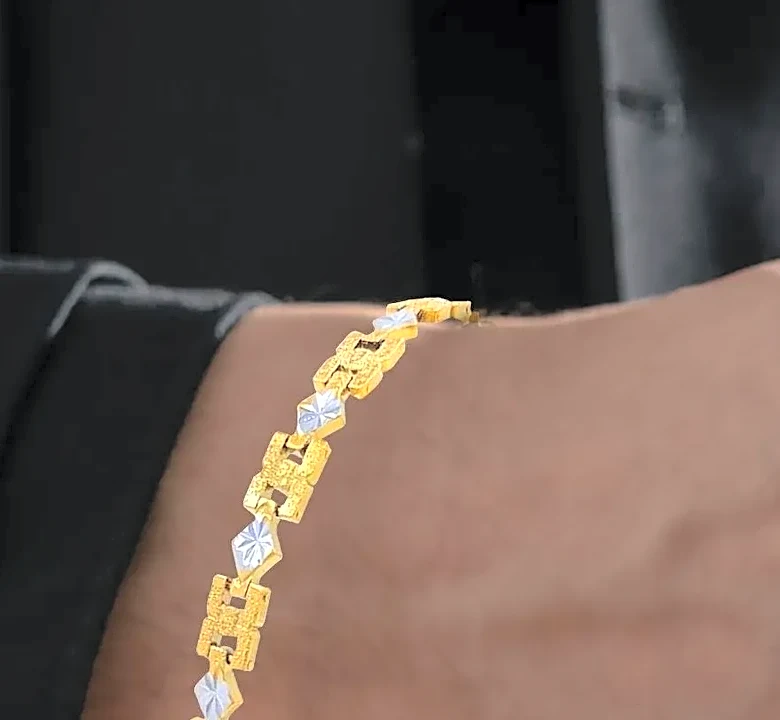
Accessories are your secret weapon for creating a thematic look that feels elevated and personal. They do the heavy lifting so your clothes don't have to scream. Instead of a head-to-toe glitter outfit, which can look costumey and be impractical, try a great pair of metallic boots, a statement belt with turquoise details, or layered silver jewelry. A wide-brimmed hat or a quality pair of cowboy boots can instantly signal a Western vibe without any other thematic elements. Texture also plays a huge role. Incorporating materials like suede, crochet, lace, mesh, or leather adds visual interest and depth that suggests a theme rather than shouting it. A simple crochet top paired with denim is a perfect example of capturing a boho festival feel without looking like a caricature.
Prioritize All-Day, Real-World Comfort
This might be the biggest differentiator between an outfit and a costume. Costumes are often impractical for long wear; outfits need to function in the real world. At ACL, that means dealing with heat, dust, and lots of walking on the grass of Zilker Park. Your footwear is crucial. Skip the flimsy sandals or brand-new boots that will give you blisters. Opt for broken-in boots or comfortable sneakers. Your fabrics should also be breathable—think cotton and linen. If your outfit requires constant adjusting, feels restrictive, or can't handle a little dust and sweat, it's a costume. A truly great festival outfit is one that you can put on in the morning and largely forget about, allowing you to focus on the music and the experience.
Know When to Edit
Coco Chanel’s famous advice to “look in the mirror and take one thing off” is especially relevant for festival dressing. It's easy to get carried away when embracing a theme. You've got the fringed jacket, the cowboy hat, the bolo tie, the concho belt, and the snakeskin boots. It's a great collection of items, but all at once, it can tip you into costume territory. To avoid this, get dressed and then do a final check. Does the look feel effortless, or is it trying too hard? Often, removing one accessory is all it takes to bring the outfit back into balance, making it feel more authentic and personal. The confidence you gain from feeling like yourself, rather than like you're playing a part, is the best accessory of all.