


The ‘Too Big’ vs. ‘Oversized’ Myth
Let’s get this out of the way first: buying a standard suit in a size or two larger than you normally wear will almost never achieve the desired oversized effect. Instead, you'll likely end up with a garment that’s ill-fitting in all the most unflattering
ways. The shoulder seams will droop awkwardly past your natural shoulder line, the chest will billow, and the sleeves will swallow your hands. This approach ignores the fundamental principle of the oversized trend: it's all about intentional proportion, not just excess fabric. A suit that's simply too big lacks structure and shape, making the wearer look sloppy rather than stylish. The goal isn't to hide your frame, but to drape it in a specific, artful way.
It’s All in the Cut and Construction
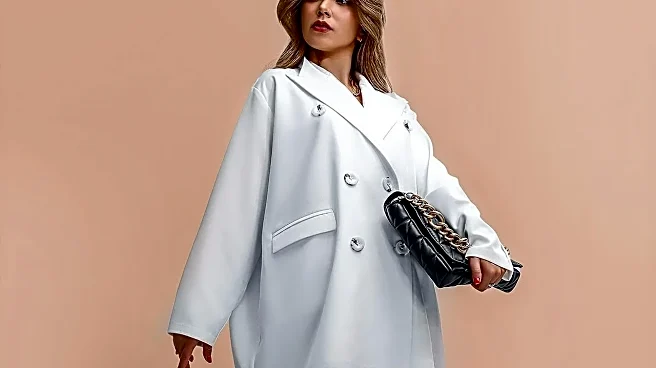
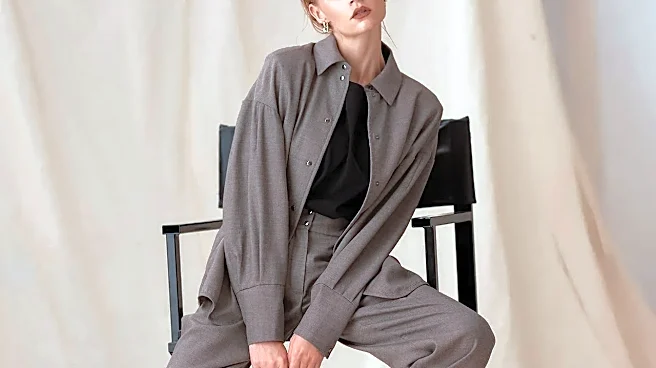
A true oversized suit is engineered from the pattern up to create a relaxed silhouette while maintaining key structural points. Designers don't just scale up a regular pattern; they rethink it. The shoulders are extended intentionally, but the jacket is constructed to hang cleanly from this new, wider point. This is often called a 'drop shoulder.' The armholes might be lower and the sleeves wider, but the sleeve length should still end around the wrist bone, allowing a bit of shirt cuff to show. The body of the jacket is cut for volume, but it's a controlled volume. It’s designed to be roomy without looking like a box, often featuring a longer length that feels modern and less like a hand-me-down from your dad.
The Power of Drape and Fabric
Fabric choice is critical in distinguishing an elegant oversized suit from a bulky, standard one. Designers of oversized tailoring often use materials with more fluidity and a better drape. Think softer wools, linens, or blends that flow and move with the body. This is because the silhouette relies on the fabric's ability to hang gracefully, creating a sense of ease rather than stiffness. A traditional suit, especially in a heavier or more structured material, will just look boxy and cumbersome when sized up. The right fabric ensures that even with more material, the suit doesn't swallow you but instead creates a sophisticated and relaxed outline.
Don't Forget the Trousers
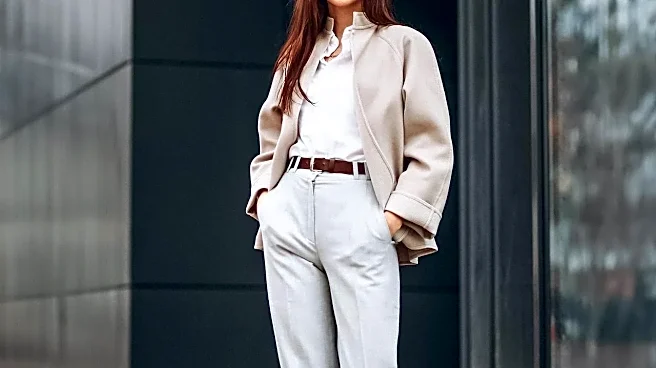
The jacket gets most of the attention, but the trousers are just as crucial for a successful oversized look. They aren't just baggy pants. An intentionally oversized suit pant is designed for a specific shape, often featuring a higher waist and a wider leg. The key is how the fabric falls. The pant leg might be a straight, wide cut or have a subtle taper, but it should break cleanly over your shoes, not bunch up excessively at the ankles. This creates a balanced, elongated line that complements the voluminous jacket. Pairing an oversized blazer with slimmer, straight-leg trousers can also be a great way to ease into the trend, creating a more balanced and approachable silhouette.
How to Wear It Right
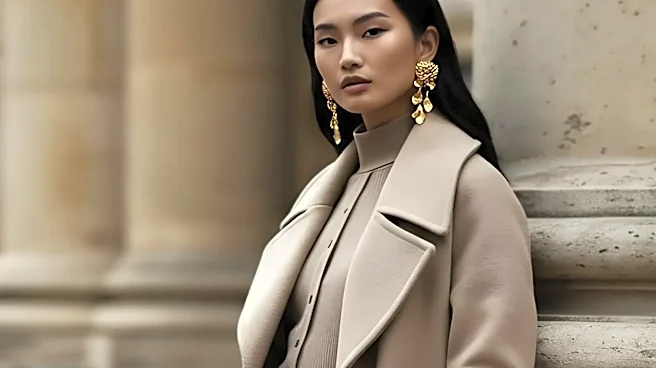
Styling is the final piece of the puzzle. The most common advice from stylists is to create balance. Since the suit itself is voluminous, keep what's underneath more fitted. A simple crewneck t-shirt, a thin turtleneck, or a fitted knit top creates a clean contrast and prevents the entire outfit from looking shapeless. This highlights the suit's silhouette as a deliberate choice. The confidence you wear it with is the ultimate accessory. The oversized suit is a statement of relaxed self-assurance, a modern take on power dressing that prioritizes comfort without sacrificing style.