




The Common Mistake We All Make
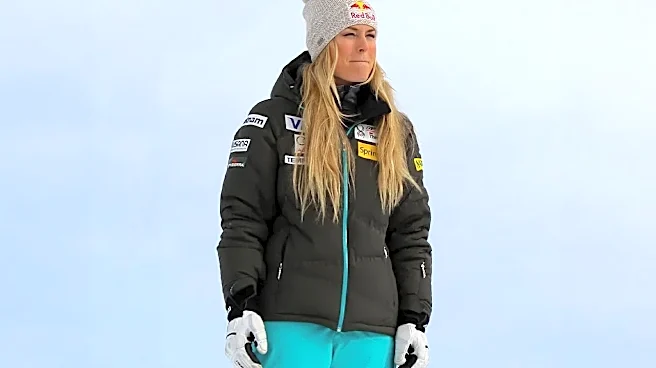
When dressing for a day on the mountain, most of us focus on the two big pieces: the waterproof jacket and the insulated pants. We reason that if the outermost layer is warm and protective, we’re good to go. This often leads to buying the thickest, puffiest
jacket available. While it might keep you warm on the chairlift, this approach has two major drawbacks. First, it creates a bulky, restrictive silhouette that can feel clumsy. Second, it offers zero versatility. The moment you start working hard on a run or the sun comes out, you’re stuck between overheating in a sealed-up jacket or unzipping it completely and getting a blast of cold air. There’s no in-between, and it’s why so many ski outfits fail the test of a full day on the slopes.
The Real Secret: Mastering the Mid-Layer
The hidden detail that truly makes a ski outfit work is the mid-layer. It’s the unsung hero sandwiched between your moisture-wicking base layer and your protective outer shell. This isn't just another layer for warmth; it's the strategic engine of your entire outfit. A well-chosen mid-layer provides the bulk of your insulation without adding the puffiness of an over-insulated jacket. This allows you to choose a sleeker, more flexible outer shell, instantly improving your silhouette and freedom of movement. The mid-layer is what truly regulates your body temperature. Getting warm? Unzip your shell and let the mid-layer breathe. Getting cold? Zip the shell up and trap the heat generated by the mid-layer. This adaptability is the key to comfort from the first chair to the last run.
How to Choose the Right One
Choosing a mid-layer isn't complicated, but it is intentional. The goal is to find a piece that traps body heat effectively. Classic options include fleece jackets, lightweight down or synthetic-fill vests, and technical wool sweaters. Fleece is a workhorse: breathable, warm, and durable. Lightweight down offers the most warmth for its weight but can lose its insulating properties if it gets damp from sweat. Synthetic insulation, like PrimaLoft, mimics the properties of down but performs better in wet conditions, making it a fantastic, versatile choice. A vest is a particularly smart option, as it keeps your core warm while leaving your arms with maximum mobility. The fit should be close to the body but not restrictive, allowing it to sit smoothly under your jacket.
From the Slopes to the Lodge
The power of the mid-layer extends beyond pure function. It’s also the key to mastering après-ski style. When you head into the lodge for lunch or a drink at the end of the day, the bulky outer jacket comes off. This is where the mid-layer gets its moment to shine. A stylish quarter-zip, a sleek vest, or a well-fitting fleece becomes your main top. If you’ve chosen it wisely, you look intentional and put-together, not like you’re just sitting around in your long underwear. It bridges the gap between high-performance mountain gear and casual, comfortable resort wear. Think of your outer jacket as the rugged utility vehicle and the mid-layer as the stylish sports car underneath.
Applying the 'Detail' Mindset Everywhere
Once you understand the mid-layer principle, you can apply this detail-oriented mindset to the rest of your kit. Instead of random accessories, you start thinking about them as part of a cohesive system. Your goggles, helmet, and neck gaiter aren't just for safety and warmth; they're finishing touches. A neck gaiter in a complementary color can tie the whole look together. Goggles with a strap that matches a detail on your jacket create a polished feel. Even your gloves or mittens can be chosen to balance the colors of your outfit. It’s a shift from thinking about individual items to thinking about a complete, functional, and stylish system that works from the inside out.