





The Sequel We Didn’t Know We Needed (or Wanted)
Let’s be honest: Toy Story 3 felt like a definitive, emotionally devastating conclusion. Andy, now a college-bound young man, passed his beloved toys to a new, caring owner, Bonnie. He didn't just give them away; he gave them a new purpose. It was a perfect,
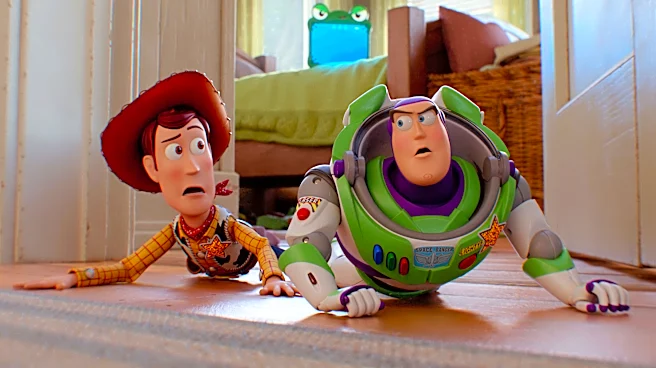
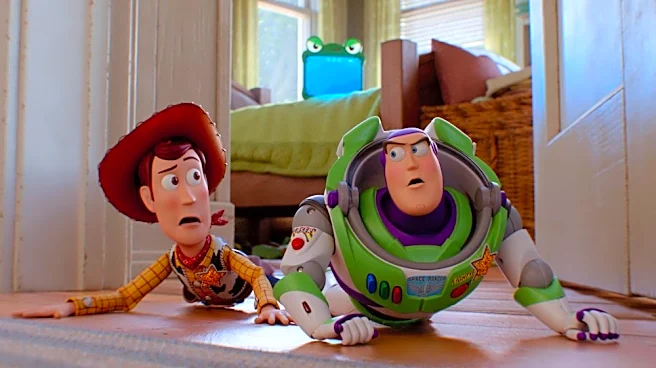
heartbreaking metaphor for growing up, leaving home, and the bittersweet transition from one stage of life to the next. Then came Toy Story 4, which many saw as an unnecessary but surprisingly poignant epilogue. It gave Woody his own closure, reuniting him with Bo Peep and allowing him to graduate from being a child’s toy to a guardian of lost toys. With Buzz leading the gang under Bonnie’s care and Woody riding off into the sunset, the story felt doubly, triply finished. So, the news of a fifth installment was met with deep skepticism. It felt less like a creative necessity and more like a corporate mandate to wring more life from a cherished, and highly profitable, franchise.
The Enduring Power of a Place
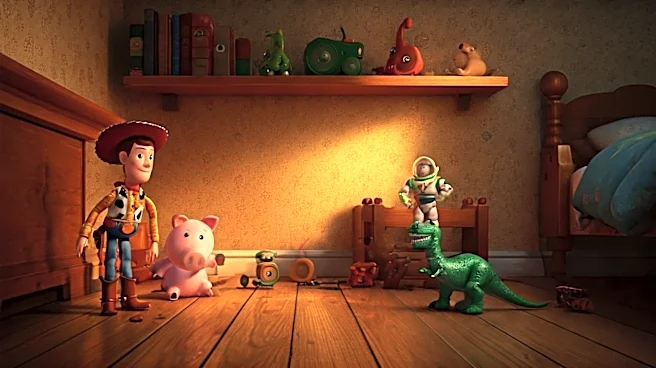
The fundamental challenge for Toy Story 5 is finding a reason to exist beyond financial incentive. And that reason might be found by looking backward. The magic of the original films wasn't just the clever premise of talking toys; it was the world they inhabited. Andy’s room was more than a setting; it was a sanctuary, a stage, and a symbol. It was the place where playtime had rules, where every toy had a role, and where their existence was validated by a child's love. It represented order, purpose, and a deep sense of belonging. The patterned cloud wallpaper, the wooden floorboards, the desk cluttered with drawings—every detail contributed to a feeling of warmth and safety. It was the Garden of Eden for toys, and everything that has happened since Toy Story 2 has been about the trauma of being cast out of it, or the fear of losing it.
Chasing the Ghost of Belonging
Think about the franchise's emotional arc. From the moment Buzz Lightyear arrived, the central conflict has been about maintaining the fragile ecosystem of Andy's room. Later films saw the toys grappling with being replaced (Jessie’s trauma), outgrown (the entire plot of Toy Story 3), or becoming fundamentally lost (Woody’s choice in Toy Story 4). Even under Bonnie's ownership, the feeling was never quite the same. The toys were cherished, but they were Andy's toys first. Their shared history, their entire identity, was forged in that first bedroom. Andy’s room, therefore, isn't a physical location to which they can return. It's an emotional state—a memory of perfect, unquestioned purpose. It’s the franchise’s biggest weapon because it's the one thing every character, and every viewer who grew up with them, is nostalgic for.
How to Use Nostalgia Correctly
Toy Story 5 doesn't need a literal return to Andy's house. That would be cheap and undermine the beautiful farewell of the third film. Instead, it can use the *idea* of Andy's room as its narrative engine. Perhaps the story finds Buzz and the gang struggling to explain their foundational ethos to a new generation of toys in Bonnie's closet who never knew such stability. What does it mean to be a good toy when the definition of “play” is constantly changing? Or, more compellingly, the story could follow Woody and Bo Peep as they try to create a new version of Andy's room for the lost toys at the carnival—not a physical space, but a community built on the same principles of belonging, purpose, and care. The conflict wouldn’t be about a mustache-twirling villain but an internal, existential question: Can you ever truly recreate home? Can the feeling of Andy’s room be taught, or was it a lightning-in-a-bottle moment, unique to one boy and his specific collection of beloved plastic friends?