

The Architect of Emotion
Before a director is celebrated or an actor is praised, the film editor works in darkness, serving as the story’s first and most critical audience. Their job is often misunderstood as simply cutting out mistakes or stitching scenes together. The reality
is far more profound. Editors are the architects of a film's emotional and narrative flow. They sift through hours of raw footage—every take, every angle, every fleeting expression—to select the specific moments that will ultimately form the finished product. A film editor collaborates intimately with the director to shape a cohesive story that aligns with their vision, but it's the editor’s hands that mold the final experience. They decide what you see, when you see it, and for how long, turning a collection of shots into a symphony of feeling.
Pacing Is Everything
The most potent tool in an editor's kit is pacing—the rhythm and timing of the cuts. It's the film's heartbeat, and it has a direct, almost subconscious, effect on the viewer. Consider a thriller. Quick, jarring cuts can create a sense of panic and chaos. A long, unbroken shot that lingers on a character’s terrified face can build unbearable suspense, making the audience hold its breath. Now think of a comedy. The timing of a cutaway to a reaction shot can be the sole difference between a mild chuckle and a theater-shaking laugh. By controlling the flow of information, editors can make a three-hour epic feel like it flies by, or a 90-minute film feel like a slog. This manipulation of time is an invisible art; when it's done well, you don't notice the technique, you only feel its effect.
Manufacturing a Moment
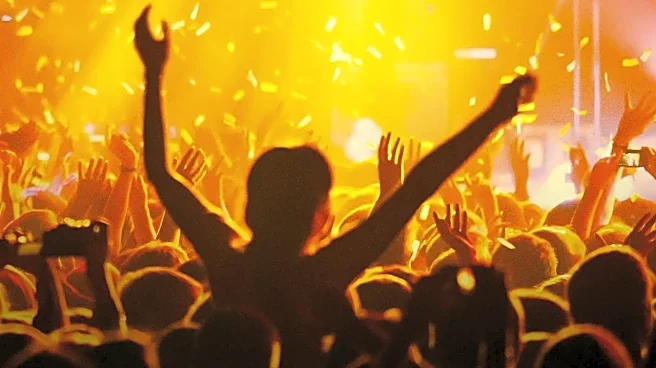
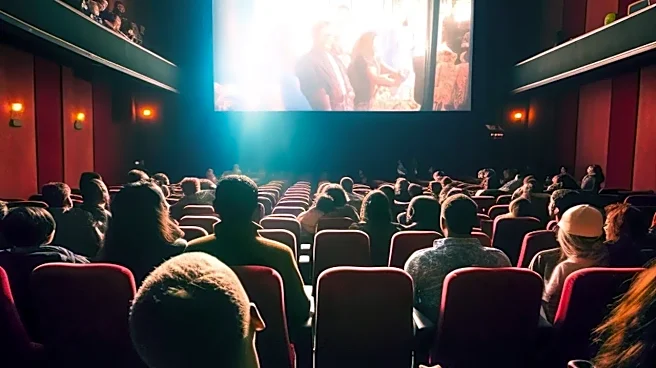
Those huge audience reactions that become the stuff of festival legend—the collective gasp during a shocking twist, the sudden eruption of applause, the pin-drop silence in a heartbreaking scene—are rarely accidental. They are manufactured moments, born in the edit suite. An editor can create meaning where none existed by juxtaposing two unrelated images. They can build empathy by holding on a character’s subtle glance for just a few extra frames or generate shock by cutting away a fraction of a second before an impact. Each decision is a calculated psychological choice designed to provoke a specific response. The editor knows that showing a character’s reaction to an event is often more powerful than showing the event itself. This mastery over perspective and timing is what transforms passive viewing into an active emotional experience.
The High Stakes of Festival Buzz
At a prestigious launchpad like the Telluride Film Festival, audience reaction isn't just a response; it's currency. Telluride is known as a festival for true cinema lovers, not a commercial circus, which makes its audience's reactions feel particularly authentic and potent. The buzz generated in these mountain town screenings can propel a small indie film to a massive distribution deal or kickstart a months-long Oscar campaign for a major studio picture. A film that leaves the audience cold or confused can see its prospects die before it even leaves Colorado. This is why the final edit is so critical. A film might be re-edited right up to its festival premiere in a frantic search for the perfect rhythm that will connect with viewers. In this high-stakes environment, the editor isn't just finishing the film; they're aiming a carefully calibrated emotional arrow straight at the heart of the most influential audience in the world.