







The Gleaming Spaceships of Sport
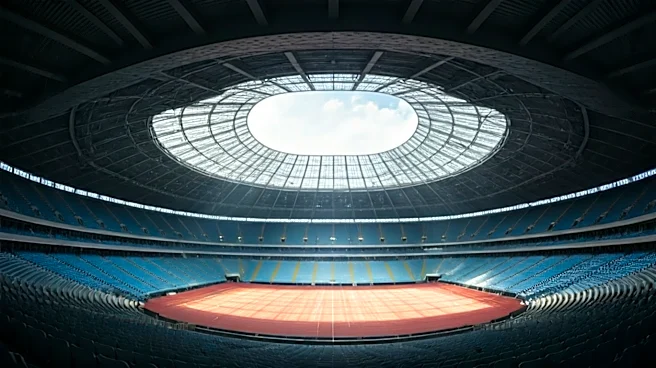
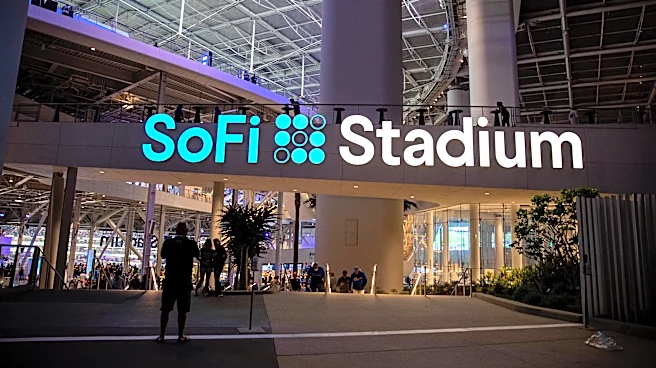
When you think of a “futuristic” stadium, places like SoFi Stadium in Los Angeles or Allegiant Stadium in Las Vegas likely come to mind. These venues are more than just places to watch a game; they are sprawling entertainment districts under one, often
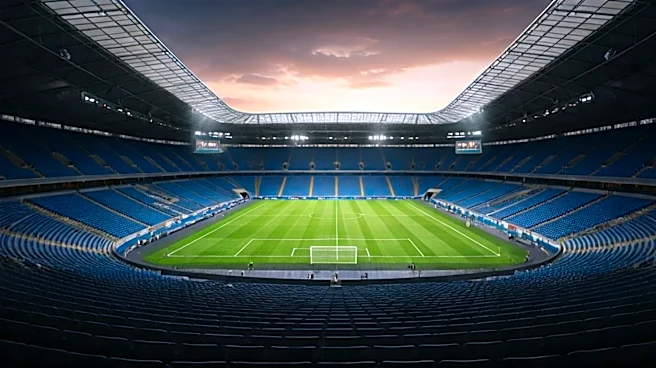
translucent, roof. Their defining features are sleek lines, vast expanses of glass, and a level of technological integration that was once science fiction. We're talking about massive, 4K-quality video boards, 5G connectivity for every fan, and retractable roofs that glide open like a convertible. The design philosophy here is about creating a total, immersive experience. Wide, comfortable concourses, luxury suites, and a variety of high-end food and beverage options are all part of a plan to make the stadium a destination in itself, capable of hosting Super Bowls, concerts, and major international events year-round. The goal isn't just to host a game, but to create a high-tech, comfortable, and often awe-inspiring spectacle.
The Roaring Fortresses of Fandom
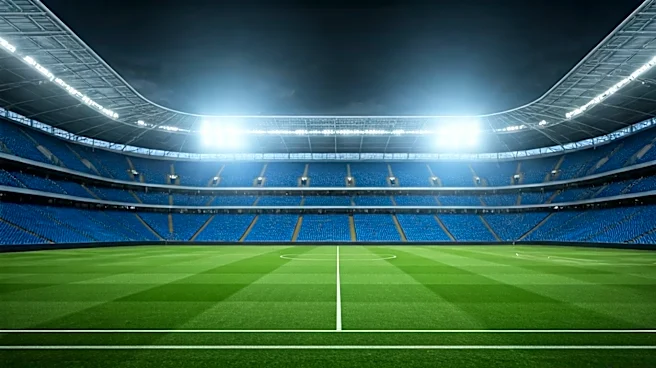
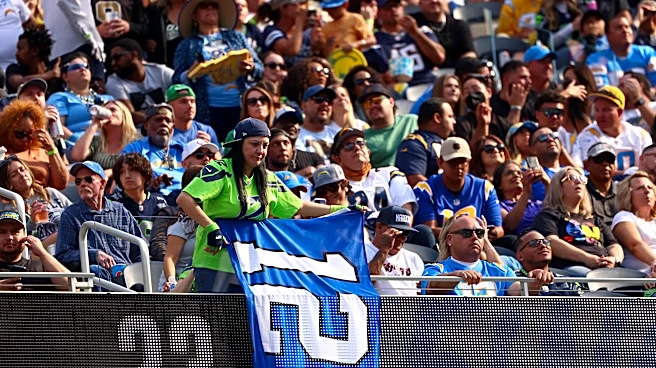
On the other end of the spectrum are the “fierce” stadiums, venues built around an entirely different philosophy. Think of the raw, historic energy of Lambeau Field in Green Bay or the sheer volume of Lumen Field in Seattle. These places aren’t designed for comfortable, passive viewing; they are engineered for intimidation. Their power comes from history, community ownership, and architectural choices that weaponize sound. Features like steep seating bowls, partial roofs that trap and reflect noise, and seating that places fans practically on top of the field create a cacophony that can disrupt opposing teams. Lumen Field, for instance, was intentionally designed with its grandstands and partial roof to maximize sound, earning its fans the nickname “The 12s” for the tangible impact they have on the game. The materials are often more raw—less glass and more concrete and steel—and the focus is less on multi-purpose entertainment and more on a single-minded goal: creating the most intense and difficult environment possible for the visiting team.
Architecture as Applied Psychology
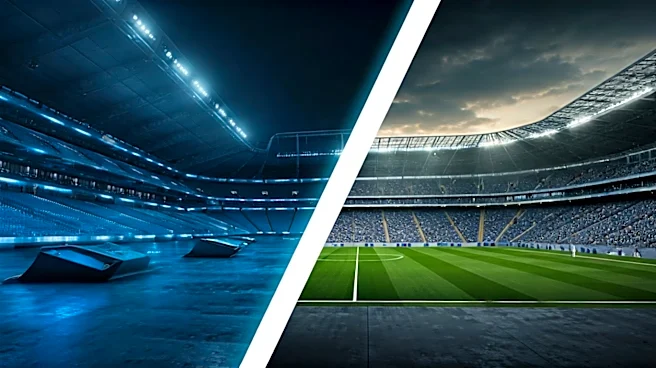
The difference between these two types of stadiums is a masterclass in the psychology of space. Futuristic stadiums use light, transparency, and open spaces to create a feeling of awe and comfort. Their design is human-centered, aiming to make a massive venue feel welcoming and accessible. Fierce stadiums, by contrast, often employ design to create a sense of compression and overwhelming scale. Steep upper decks that seem to tower over the field can make players and opponents feel suffocated. The very shape of the seating bowl can determine whether sound dissipates into the sky or is funneled directly back onto the field. Materials play a huge role, too. Hard surfaces like concrete and metal reflect sound, amplifying the crowd's roar, whereas the extensive use of glass in newer stadiums can have a different acoustic effect. It's a calculated choice: do you want fans to feel entertained in a beautiful space, or do you want them to feel like a unified, roaring force?
Identity, Dollars, and Design
Ultimately, the choice between futuristic and fierce comes down to a combination of identity and economics. The multi-billion-dollar futuristic venues are built to be flexible, revenue-generating machines. By offering a premium, comfortable experience, they attract a wider range of customers and can charge for luxury seating and year-round events. They serve as massive branding statements for their cities, signaling a modern, forward-looking identity. Fierce stadiums, on the other hand, trade on a different currency: legacy. The identity of teams like the Green Bay Packers or the Seattle Seahawks is deeply intertwined with the intimidating reputation of their home fields. For them, the home-field advantage provided by a loud, passionate crowd is a core part of their brand and a competitive asset that is, in its own way, priceless. The design isn't just about aesthetics; it's about embodying the soul of the team and its fans.