




Syncing with the Season
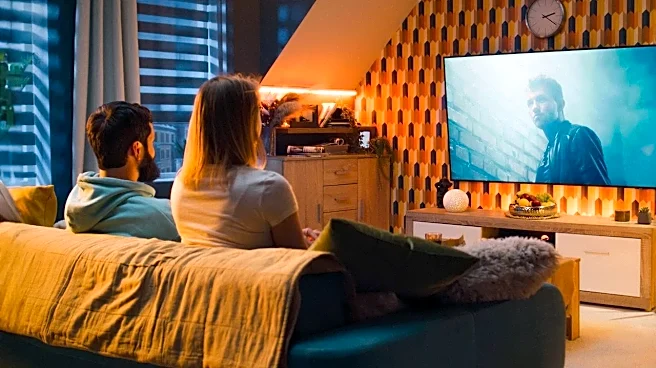
The most straightforward reason Gothic visuals dominate autumn television is simple synergy. October is the unofficial start of the spooky season, culminating in Halloween. This is a time when audiences are culturally primed for themes of decay, mystery,
and the supernatural. Gothic aesthetics—with their emphasis on shadows, crumbling ruins, and a general sense of beautiful dread—provide a perfect visual match. Launching a show steeped in this style during October is like a film studio releasing a holiday movie in December; it leverages a pre-existing cultural mood, making the marketing feel less like an interruption and more like a welcome participant in the season. It’s a strategy that gives networks and streamers an immediate hook, tapping into the collective desire to cozy up with something dark and atmospheric as the nights draw in.
A Shorthand for History and Power
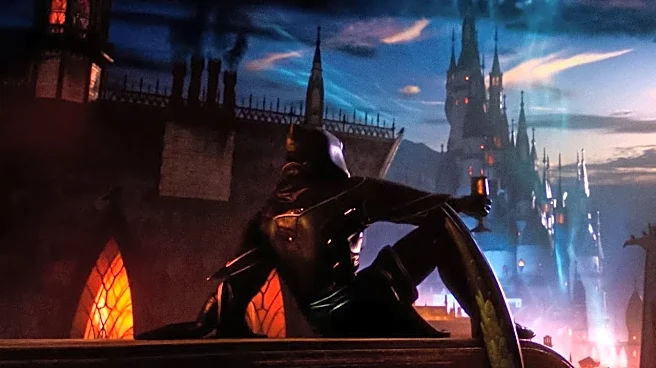
Beyond the autumnal mood, Gothic design is a powerful narrative shortcut. For fantasy worlds to feel epic, they need a sense of history, and nothing says 'ancient and formidable' quite like a towering, shadow-drenched castle or a cathedral with impossibly high, vaulted ceilings. These architectural elements, born in medieval Europe, were designed to inspire awe and convey power, both spiritual and political. When a fantasy series shows us a character in a hall filled with pointed arches and intricate stone carvings, it instantly tells us this is a world with deep roots, long-held secrets, and established hierarchies. It does the work of pages of exposition in a single frame, establishing a tone of grandeur and consequence before a single line of dialogue is spoken.
The Psychology of Awe and Unease
Gothic visuals do more than just set a spooky or grand scene; they tap into a complex psychological response. The aesthetic often evokes what Sigmund Freud termed 'the uncanny,' the unsettling feeling of something being both familiar and strangely wrong. This creates a compelling friction for the viewer, a mixture of attraction and discomfort. Gothic art and architecture are not just about fear, but about exploring the dualities of human experience: beauty and decay, safety and threat, light and shadow. By presenting us with these contradictions, shows can explore complex character motivations and anxieties. The haunted mansion, the tormented anti-hero, and the mysterious outsider are all classic Gothic archetypes that allow stories to delve into our deepest fears and desires from a safe distance.
Painting with Shadow
At its core, the Gothic style is a masterclass in the use of light and, more importantly, shadow. The visual technique of chiaroscuro—strong contrasts between light and dark—is a hallmark of the aesthetic and a gift to cinematographers. In a practical sense, it allows filmmakers to guide the viewer’s eye, hiding threats in the darkness or illuminating a key detail in a sliver of candlelight, building suspense and tension. Metaphorically, this visual contrast externalizes the internal conflicts of the characters. A hero standing half in shadow and half in light is a visual representation of their moral struggle. This play of light and dark turns the setting into an active participant in the story, reflecting the internal turmoil and moral ambiguity that defines so much of modern fantasy storytelling.
An Enduring, Evolving Language
While its roots are centuries old, the Gothic aesthetic is not static. Modern fantasy shows are constantly reinterpreting it. The visual language has proven remarkably flexible, influencing everything from the gritty urban fantasy of shows that hunt monsters in contemporary cities to the high-concept sci-fi of series like 'Dark Matter'. The core elements—a sense of dread, the exploration of the unknown, and a moody, atmospheric style—can be applied to haunted houses, futuristic dystopias, and everything in between. This adaptability ensures that even as television evolves, the Gothic remains a vital tool for storytellers aiming to create worlds that are as unsettling as they are mesmerizing, making it a perennial favorite for the fantasy genre’s prime season.