
The Boho We Used to Know
The classic Bohemian look was a maximalist's dream, born from a 'more is more' philosophy. Its origins trace back to 19th-century Paris, describing artists and writers who lived unconventional, nomadic lives. This translated into interiors that were eclectic,
deeply personal, and joyfully chaotic. Think layers upon layers: mismatched rugs on the floor, patterned tapestries on the walls, and heaps of colorful, plush pillows on every surface. The vibe was carefree, drawing from global influences, 1970s hippie culture, and a general rejection of rigid design rules. It was a style defined by an abundance of textures like burlap and velvet, a vibrant mix of jewel tones and earthy colors, and a collection of objects that felt gathered over a lifetime of travel and thrifting.
The Shift Toward a 'Refined' Look
So, what prompted the change? Part of it is a natural reaction to the mass-production of the style. When you can buy a 'boho decor kit' from any big-box store, the look loses its individualistic, counter-cultural edge. The evolution also aligns with a broader cultural shift toward wellness, mindfulness, and intentional living. Homeowners are increasingly seeking calm, uncluttered sanctuaries—a stark contrast to the visual noise of classic Boho. Designers note a growing desire for spaces that feel authentic and personal, but not chaotic. The new approach isn't about ditching the Bohemian spirit; it's about editing it. It's less about accumulating stuff and more about curating meaningful pieces.
Meet the New Modern Bohemian
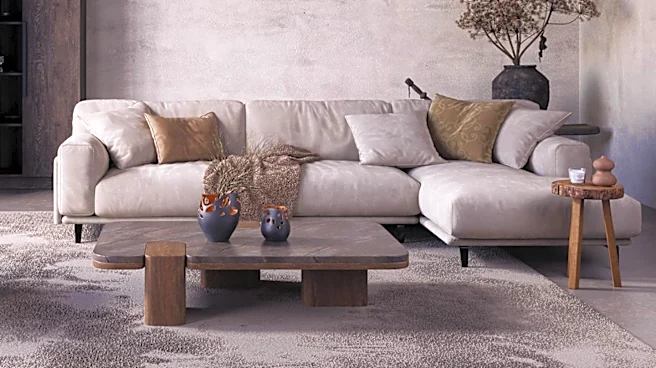
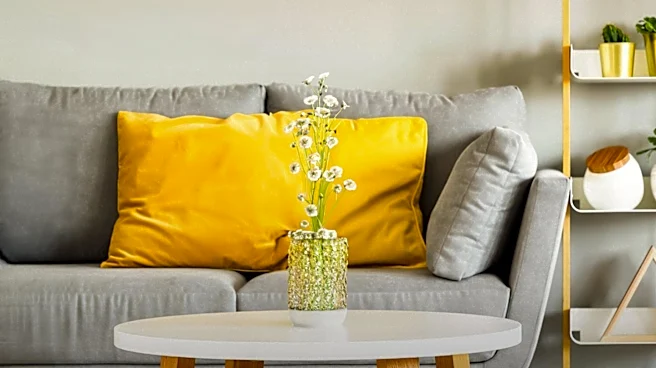
The new Modern Bohemian style is a sophisticated blend of the old and the new, marrying the warmth of Boho with the clean lines of modern design. It trades the riot of color for a more controlled, earthy palette featuring warm neutrals like terracotta, beige, and moss green, using bolder colors as thoughtful accents. While texture is still king, it's applied more deliberately. Instead of ten patterned pillows, you might see a single, beautifully woven throw, a sculptural wooden chair, or a plush velvet sofa. The focus has shifted from an abundance of small trinkets to a few high-quality, artisan-made pieces that tell a story. Natural materials like light wood, rattan, stone, and linen are still fundamental, but they're used to create a serene, organic foundation rather than a cluttered jungle.
How to Get the Curated Boho Look
Embracing this refined aesthetic doesn't require a complete overhaul. Start by creating a neutral canvas with warm white or beige walls, which makes layered textures pop without overwhelming the space. Next, prioritize quality over quantity. Instead of a dozen small potted plants, choose one or two large, sculptural ones to make a statement. Swap out mass-produced wall art for a single, handcrafted macrame hanging or a vintage textile. Invest in a few key pieces of furniture with clean lines but natural materials, like a modern sofa paired with a rustic wooden coffee table. Finally, remember that the core of Bohemian style is personal expression. The goal isn't to create a perfect, sterile room, but a space that feels lived-in, warm, and uniquely yours—just with a little more breathing room.