


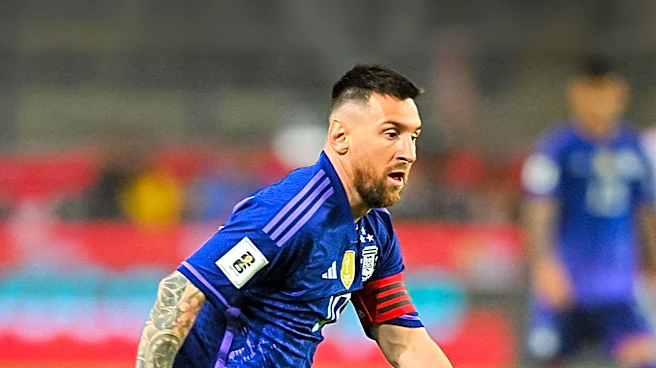


The Ghost of Glory Past
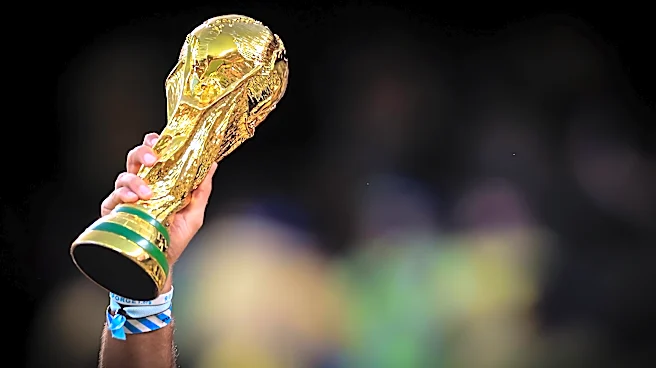
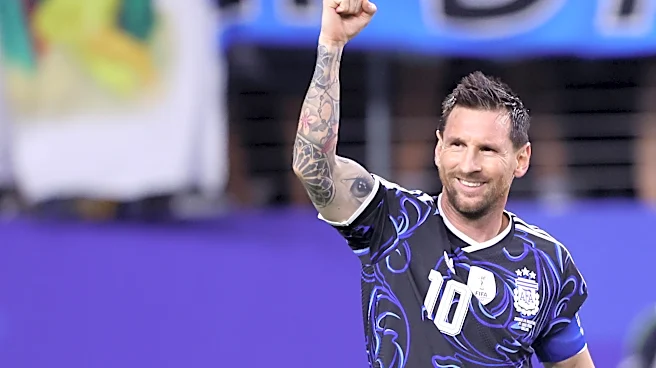
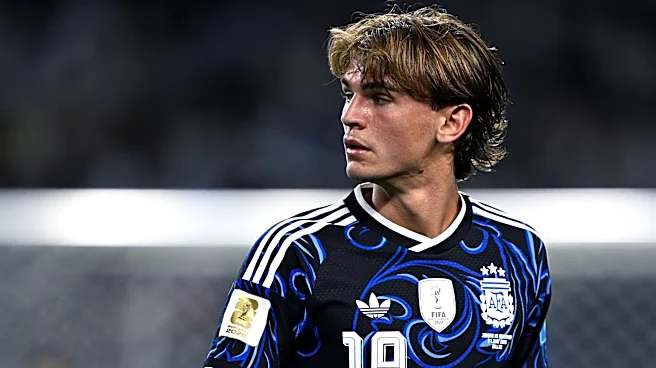
The pressure should be off. After leading Argentina to a cathartic World Cup victory in 2022, Lionel Messi exorcised the national demons that had haunted him for over a decade. That win, coupled with Copa América titles in 2021 and 2024, completed his
resume and cemented his legacy. Yet, here he is, at 39 years old, the centerpiece of a defending champion squad aiming to do what no team has done since 1962: win back-to-back World Cups. The new burden isn't about proving his greatness, but managing it. Every touch, every pass is measured against his own impossible standards. Fans in Argentina are approaching this tournament with a sense of calm, feeling the 2022 victory lifted an immense weight. But for Messi, the expectation to deliver a perfect final chapter remains, a pressure cooker of his own making.
The Mentor, Not Just the Magician
This isn't the same Messi who once had to carry a flawed team on his shoulders. Under manager Lionel Scaloni, Argentina has been rebuilt into a cohesive, disciplined unit that no longer depends entirely on its captain's magic. The squad is a blend of veterans from the Qatar triumph and hungry young talents. This has fundamentally changed Messi's role. He is no longer just the primary goalscorer, but the team's undisputed emotional and spiritual leader. Teammates openly say, "We play for Messi." His burden has shifted from single-handedly winning games to mentoring the next generation, guiding players like Julián Alvarez and Enzo Fernández through the unique pressures of a title defense. He is the on-field coach, the calming presence, the standard-bearer for a group that sees him as an idol.
An Evolution Against Father Time
At 39, Messi cannot be the tireless, all-action dynamo of his youth. His game has evolved by necessity. No longer making long, surging runs from midfield, his genius is now more concentrated and efficient. He operates as a playmaker, conserving energy by walking and scanning the field, only to explode in decisive moments in the final third. This tactical shift allows him to dictate the game's tempo while relying on a hardworking midfield to handle the defensive load. The physical burden is real; the average age of Argentina’s projected roster is among the oldest in the tournament. His leadership now involves a quiet battle with his own body, managing his minutes and preserving his energy for when it matters most—a challenge he seems to be meeting, having started the tournament in record-breaking goal-scoring form.
One Final Embrace
After a complicated relationship with the national team earlier in his career—including a brief retirement—Messi is now universally beloved. The 2022 victory wasn't just a trophy; it was a national embrace. The burden he carries now is one of mutual affection. Millions of fans want to see their hero's story end on the highest possible note. For them, this tournament is a prolonged farewell tour, a final chance to watch the greatest player in history wear their country's colors on the world's biggest stage. The pressure comes not from a place of desperate need, as it did before 2022, but from a place of deep admiration. It is the weight of being a living legend, expected to deliver a fairytale ending not for his own legacy, but for the collective memory of a nation that adores him.