


The Art of the First Impression
Long before an actor sits down on a late-night couch, the campaign to build familiarity begins. It starts with the casting announcement, which is often followed by carefully curated social media posts from the star. This initial phase isn't about revealing
the character, but about tethering the actor's existing public persona to the new project. When a well-liked star shares their excitement for a role, they are essentially giving their own audience a reason to be invested. This early stage is about planting a seed of awareness. The studio wants the project to exist in the back of your mind, creating a low-level hum of anticipation that will be amplified in the months to come.
The Personality Blitz
The core of the familiarity-building machine is the interview circuit. But forget the dry, repetitive junkets of the past. Today's press tour is a content-creation engine designed for viral moments. Appearances on shows like "Hot Ones" or BuzzFeed's "Puppy Interview" are engineered to showcase an actor's unscripted personality. The strategy is simple: if you find the actor charming, funny, or relatable, you are more likely to project those positive feelings onto their character. This is where the line between actor and character purposefully blur. A fun, engaging late-night anecdote or a viral clip of a cast joking around creates a sense of personal connection that traditional advertising can't buy. Audiences feel like they're getting an authentic glimpse of the person, which in turn makes the on-screen performance feel more accessible.
Crafting Prestige and Aspiration
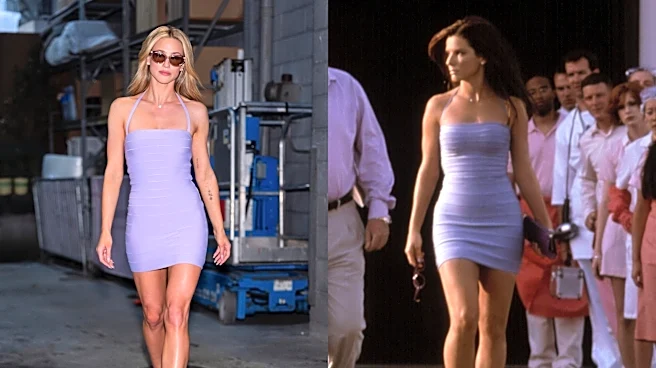
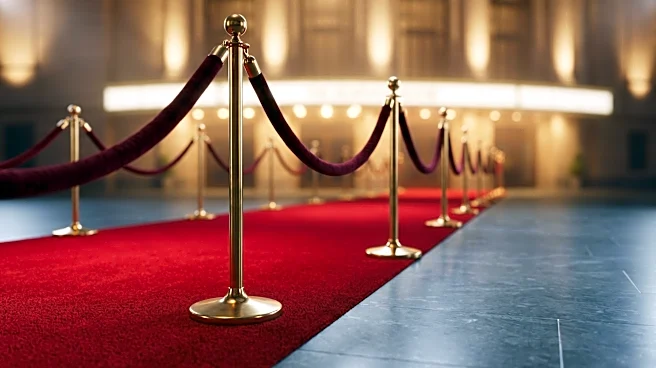
While viral videos build relatability, high-fashion magazine covers and red-carpet appearances build prestige. A stunning look at a premiere or an artistic photoshoot in a legacy publication elevates the project's cultural status. This is where "method dressing" comes into play, a trend where stars wear outfits that subtly or overtly reference their film. When Zendaya wore tennis-themed gowns during the "Challengers" press tour or Margot Robbie donned iconic Barbie outfits, they weren't just promoting a movie; they were extending the film's world into reality. This strategy does two things: it generates media coverage for the fashion, and it reinforces the themes and aesthetics of the film, making the character feel iconic before they've even delivered a single line of dialogue.
The Relatability Offensive
To counteract the high glamour of red carpets, the modern press tour includes a strong dose of calculated relatability. This often involves social media takeovers, behind-the-scenes content, and appearances on personality-driven podcasts where long-form, casual conversation is the norm. These formats are designed to make global superstars feel like people you could know. Hearing an actor discuss their personal interests on a podcast or watching them interact informally with their castmates creates a parasocial relationship—a one-sided bond where the audience feels they know the celebrity personally. This feeling of intimacy is a powerful psychological tool. It transforms the act of watching the film from a passive experience into an active one, where you feel like you're supporting someone you know.
The Final Saturation
In the final week before a film's release, all these elements converge into an overwhelming media blitz. The cast appears on morning talk shows, evening news programs, and their faces are plastered across every social media feed. The goal is saturation—to make the film feel like an unmissable cultural event. By this point, the coordinated effort of the press tour has done its job. The actors have shared personal stories, participated in viral challenges, and showcased their high-fashion credentials. Through hundreds of small, calculated touchpoints, they have transformed their characters from unknown entities into familiar faces. You're not just buying a ticket to see a movie; you're completing a journey that started months earlier.