







The peplum is one of fashion’s cleverest tricks: a short, flared ruffle at the waist that creates an instant hourglass shape. But have you ever wondered how it achieves that perfect, gravity-defying flip? It’s not magic, but a feat of engineering.
The Unseen Foundation: Interfacing
The
first secret to a structured peplum is an invisible layer of support called interfacing. Think of it as the backbone of the garment. Interfacing is a separate material that is either ironed on (fusible) or sewn into the main fabric to add body and stability. For a peplum, a crisp, lightweight interfacing is applied to the wrong side of the fabric before it's even sewn. This prevents the fashion fabric from being limp or floppy and gives it the initial oomph needed to stand away from the body. Without interfacing, even a beautifully cut peplum would sag, looking more like a sad wrinkle than a deliberate design feature. The type of interfacing matters, too; a woven type moves with the garment's fabric, while non-woven options provide firmness without having a grainline to match.
The Magic Weapon: Horsehair Braid
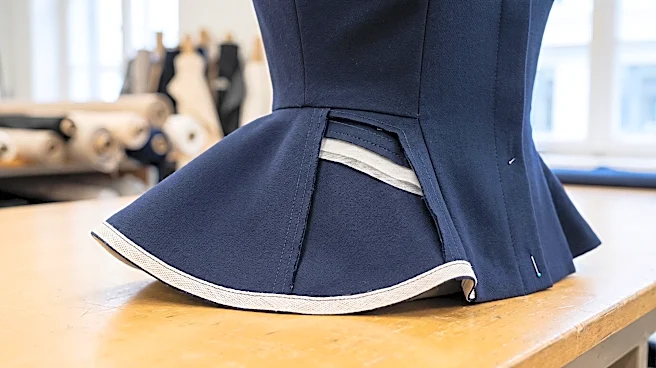
If interfacing is the backbone, horsehair braid is the secret ingredient that makes the magic happen. Don't worry, it's not typically made from actual horsehair anymore; modern versions are a crinoline-like netting made of nylon or polyester. This stiff, flexible mesh is sewn into the hem of the peplum. Its purpose is to give the edge a buoyant, springy quality that makes it stand out and hold a defined, wavy line. Available in various widths, from a subtle half-inch to a dramatic six-inch version, the wider the braid, the more pronounced the flare. The braid works by adding just enough weight and structure to the very edge, forcing the hem into a gentle curve or a dramatic flounce that seems to float around the hips. It's the same technique used to give volume to wedding veils and theatrical costumes.
Fabric is a Silent Partner
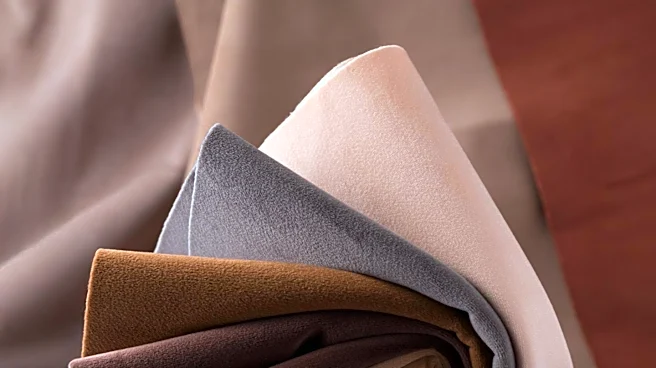
The internal supports can’t do all the work alone. The choice of the main fashion fabric is a crucial part of the equation. A peplum needs a material with enough inherent structure to hold a clean, sculptural shape. Sturdy fabrics like crepe, brocade, taffeta, or a firm scuba knit are ideal because they have the body to support the peplum's flare. A designer wouldn't choose a flimsy chiffon to create a sharp, architectural peplum because the fabric would collapse under its own weight, even with interfacing. The fashion fabric and the internal structuring work as a team. A stiff fabric enhances the effect of the horsehair braid, while a slightly softer, but still substantial, fabric can be molded into shape by heavy-duty interfacing and strategic seaming.
The Art of the Cut and Seam
Finally, the shape of the pattern piece itself is fundamental. A peplum is often a version of a circle skirt—a piece of fabric cut in a circular or semi-circular shape. This design naturally creates flutes and waves when attached to a straight waistline, as the wider outer edge has nowhere to go but out. For more complex or dramatic peplums, designers use additional tricks. Pleats or gathers at the waistline can add controlled fullness. In couture or highnd formalwear, a peplum might even be supported with boning, similar to a corset, to create an exceptionally rigid and architectural silhouette that stands completely independent of the body. These combined techniques—a precise cut, the right fabric, and hidden internal supports—are what turn a simple ruffle into a powerful, shapendefining statement.