






More Than Just Knowing Labels
Being 'good with clothes' once suggested an encyclopedic knowledge of designers, seasons, and styling tricks. Today, that definition is expanding to include a far more practical skill set. The new fashion literacy argues that understanding how to properly
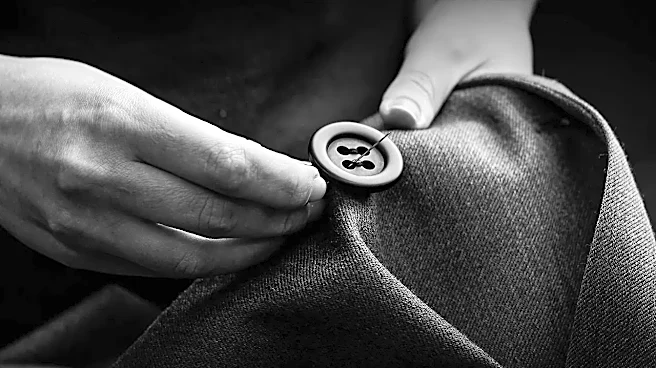
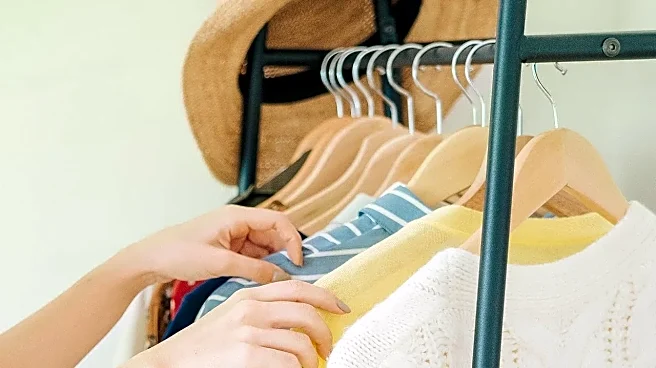
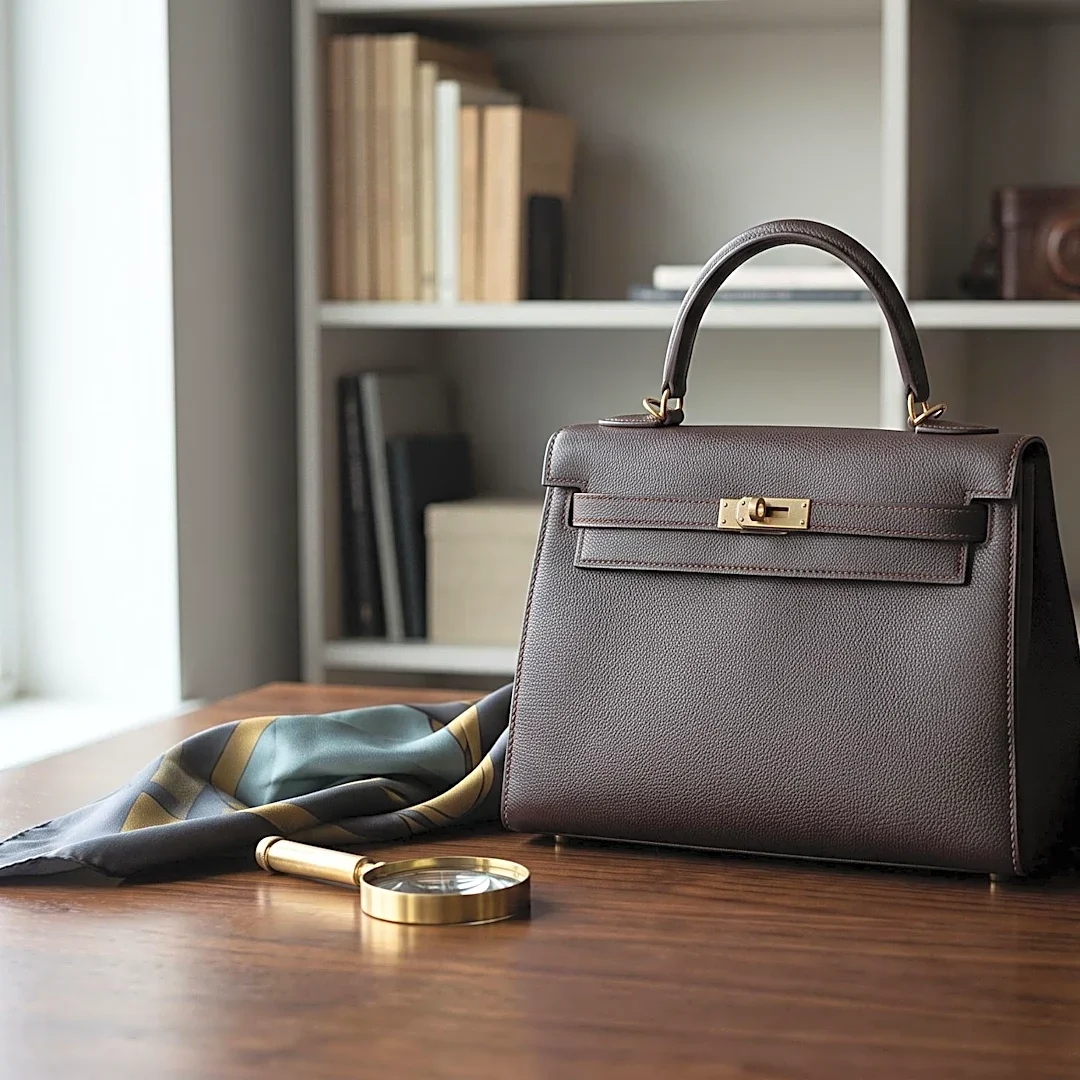
wash a sweater, sew a button, or store a leather jacket is just as crucial as knowing which brands are in vogue. It reframes clothing care not as a domestic chore, but as an essential component of personal style. This shift is about moving from being a passive consumer to an active caretaker of your wardrobe, ensuring the pieces you invest in—whether emotionally or financially—have a longer, more beautiful life.
The Slow Fashion Pushback
This newfound appreciation for maintenance is a direct response to the excesses of the fast-fashion era. As shoppers become more aware of the environmental and ethical costs of disposable clothing, the philosophy of 'buy less, choose well, make it last' has gained significant traction. The slow fashion movement champions durability and repairability, principles that inherently rely on good wardrobe maintenance. Instead of buying a new coat because a zipper broke, the modern, fashion-literate consumer is more likely to seek out a repair. This change is reflected in the market, with the global clothing and footwear repair industry projected to grow, driven by consumers seeking sustainable and cost-effective solutions.
It's About a Smarter Budget
Beyond sustainability, there's a powerful economic incentive at play. As the cost of living rises, consumers are looking for ways to maximize the value of their purchases. Extending the life of a garment through proper care is a simple and effective way to save money. This is especially true for high-quality investment pieces. Caring for a well-made blazer or a pair of leather boots protects that initial investment and prevents the need for frequent, costly replacements. Recognizing this, a growing number of brands, from high-end labels like LVMH to mainstream retailers like Levi's and Uniqlo, now offer repair services, signaling a major industry shift toward a circular economy where longevity is a selling point.
The New Maintenance Toolkit
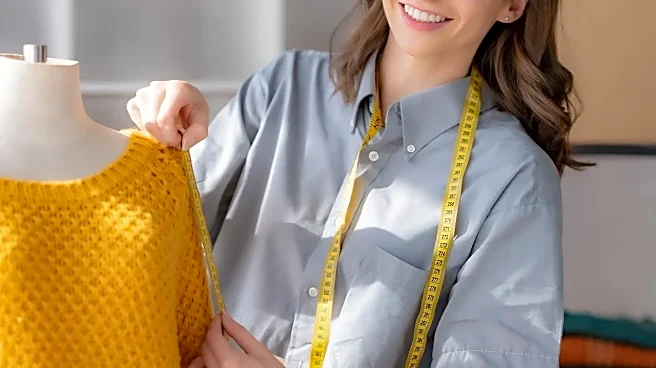
So, what does this new literacy look like in practice? It starts with the basics: reading care labels, washing clothes in cold water to preserve color, and air-drying garments to prevent shrinkage and fabric damage. It also involves a few key tools and skills, such as using a steamer to refresh clothes between washes, owning a fabric shaver to remove pilling from knitwear, and having a basic sewing kit for small fixes. Learning how to mend a small tear, replace a button, or properly spot-clean a stain are no longer niche skills but are becoming standard practice for the style-conscious individual.
From Repair to Self-Expression
Perhaps the most creative evolution in wardrobe maintenance is the 'visible mending' trend. Inspired by traditional Japanese techniques like Sashiko and Boro, this movement turns repairs into an aesthetic statement. Instead of trying to hide a hole in a pair of jeans, visible mending uses contrasting thread and decorative stitches to celebrate the repair, making it a unique design feature. This practice transforms a garment's wear-and-tear into a personal story, adding character and individuality. It's the ultimate expression of fashion literacy: not just preserving a garment, but actively participating in its design and evolution.