

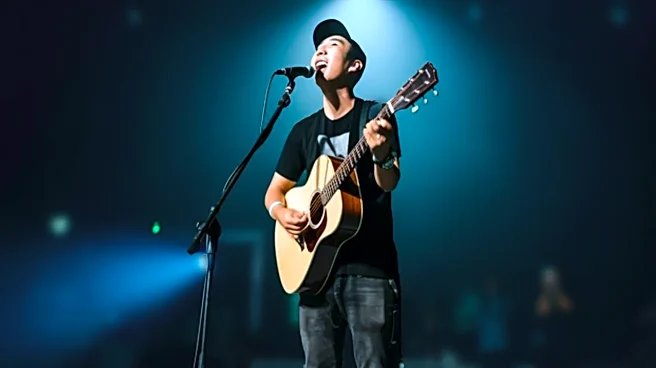
What is Camera Blocking, Anyway?
Camera blocking is the art of choreographing a performance for the camera, not just the live audience. Think of it as a detailed map for everyone on stage. The director, artist, and production team decide in advance where the singer will stand for a powerful
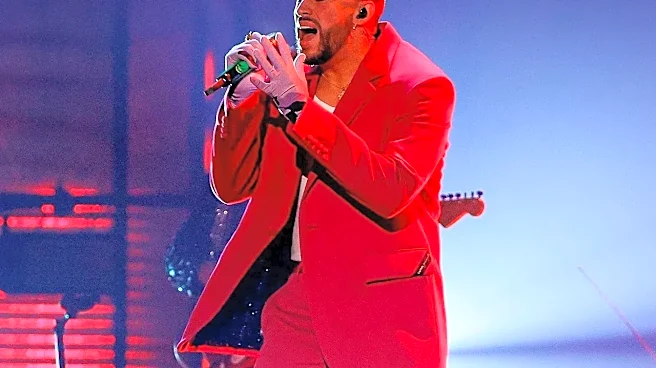
chorus, which direction they’ll look for a dramatic close-up, and where the dancers need to be to stay perfectly in frame. It's not just about movement; it’s about creating specific visual moments. This process transforms a live concert into a television show, ensuring that the millions watching on a screen get a polished, compelling experience. At an event like the iHeartRadio Music Festival, which is broadcast and streamed, the performance must work for both the roaring arena and the viewer on their couch.
The Blueprint for a Perfect TV Moment
For a broadcast director, a concert is a story told in shots. Camera blocking is their script. They plan where each of the many cameras—from sweeping jibs to intimate Steadicams—will be positioned to capture key moments. This ensures there's always a perfect shot ready to go, whether it’s a wide view of the stage effects or a tight shot capturing a single tear. This level of planning prevents the on-screen product from looking chaotic. Instead of a jumble of random angles, the broadcast flows like a movie, building emotional intensity and guiding the viewer's focus. The goal is to make the performance feel intimate and cinematic, translating the massive scale of an arena show into a series of powerful, digestible images.
Freedom Within a Highly Defined Framework
While it might sound restrictive, many artists see camera blocking as a tool for empowerment. Knowing exactly where the cameras are allows them to perform to them, creating a direct connection with the home audience. It’s the difference between being randomly observed and being in control of your own narrative. An artist learns to “cheat out” or angle their body towards a specific lens to ensure a facial expression lands, or they might hit a specific mark on the floor just as a camera swoops in for a hero shot. This turns the technical limitation into an artistic choice. It allows them to use the camera as a partner in their performance, ensuring their vision is captured and communicated precisely as they intended.
The Challenge to Raw Spontaneity
The biggest trade-off with heavy camera blocking is the potential loss of pure, unscripted moments. Rock and roll, hip-hop, and pop are often defined by their chaotic, unpredictable energy. When an artist is focused on hitting specific marks on a heavily mapped-out stage, the freedom to improvise can be constrained. A sudden impulse to run into the crowd or a spontaneous interaction with a bandmate might throw the entire broadcast plan into disarray, resulting in a missed shot. This creates a fundamental tension: the need for a flawless broadcast versus the desire for an authentic, raw performance. Artists must learn to navigate this, finding ways to project spontaneity and emotion while still adhering to the technical blueprint required for a global television event.