

The Illusion of Spontaneity
First, let's puncture a myth: very little on a multi-million-dollar live broadcast is truly a surprise. While artists might go off-script, the environment is engineered for moments that feel raw and unpredictable. Both artist camps and network producers
understand that controversy is the engine that drives VMA viewership and, more importantly, post-show conversation. The infamous 2013 performance from Miley Cyrus and Robin Thicke, for example, felt like a trainwreck in real-time. Yet Thicke later admitted they knew what they were getting into, stating, "The whole point was to excite and to provoke." Even Madonna’s career-launching “Like a Virgin” performance in 1984, where she rolled on the floor, was born from a wardrobe malfunction she cleverly turned into shocking stagecraft. These moments aren't always meticulously planned, but they happen within a framework where provocation is encouraged, and the potential for a viral incident is the primary goal.
When the Gamble Pays Off
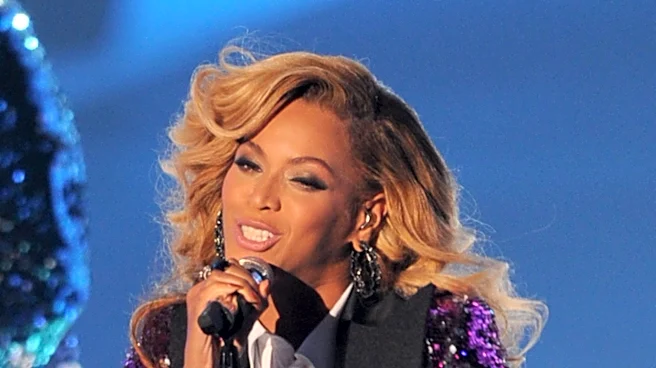
When the risk is calculated correctly, a VMA moment can ascend into pop culture legend. The most cited example is the 2003 opener featuring Madonna, Britney Spears, and Christina Aguilera. Madonna’s decision to kiss both pop princesses was scandalous enough to dominate headlines for weeks. For Madonna, it reaffirmed her status as the master provocateur. For Spears and Aguilera, it was a symbolic passing of the torch. The moment was shocking but ultimately brand-affirming for all involved. Similarly, Beyoncé’s 2011 performance of "Love on Top" concluded with her dropping the mic and revealing her baby bump, a move that delighted audiences and created an instantly iconic, positive news cycle. These instances are PR gold: they generate immense buzz while enhancing the artist's public image.
The Career-Defining Catastrophe
But when the gamble fails, it fails spectacularly. No case is more infamous than Britney Spears’ 2007 “Gimme More” performance. Billed as a major comeback, the performance was widely panned as lackluster and unprepared. The immediate fallout was brutal, with critics and even other performers questioning her stability and readiness. In her memoir, Spears later revealed she was pressured into the performance and was “not fine” at the time. What was intended to be a triumphant return became a PR catastrophe that fueled a toxic narrative about her mental health and fitness as a parent, a narrative that would haunt her for years. It’s a stark reminder that when an artist is vulnerable, a high-pressure “moment” can curdle from buzz into a damaging public spectacle.
The Double-Edged Sword of Interruption
Then there are the moments that live in a gray area, most notably Kanye West’s 2009 interruption of Taylor Swift’s acceptance speech. In the short term, it was a PR disaster for West, who was called a “jackass” by President Obama and feared his career was over. The incident branded him as a villain and Swift as the victim, a dynamic that would define their public relationship for over a decade. Yet, in the long run, the moment became an indelible piece of pop culture lore that arguably kept both artists in the news cycle for years. MTV benefited from the drama, and the narrative fueled songs, future awards show encounters, and endless commentary. The risk for West was immense and damaged his reputation severely, but the ensuing feud became a content engine in itself, demonstrating how even a PR “loss” can have a long, complicated, and culturally significant afterlife.
Who Really Carries the Risk?
Ultimately, while artists are the ones placing their reputations on the line, the network often has the least to lose. A shocking moment, whether it lands perfectly or devolves into a trainwreck, generates ratings and social media engagement. For MTV, a wildly inappropriate performance or a heated confrontation is just good television. The artist, however, is the one who must navigate the fallout. Miley Cyrus’s 2013 performance, for instance, drew criticism from parent groups and was labeled “disgusting” by some commentators, but it also broke Twitter records for tweets-per-minute and boosted viewership by 66% over the previous year. Cyrus herself embraced the controversy, positioning it as a deliberate move to “make history.” The artist absorbs the personal and professional risk, while the platform reaps the benefit of the spectacle, ready to do it all again the following year.