



The Myth of 'Effortless' Style
The core of American casual style—think a perfect white t-shirt and jeans—is built on a cultural foundation of seeming authentic and un-staged. It's a look that says, "I just threw this on." But this is its greatest deception. Achieving that polished,
yet relaxed, vibe isn't effortless at all. It relies almost entirely on the subtle, intentional use of accessories to do the heavy lifting. First-time shoppers often miss this nuance. They buy the simple, versatile clothing, but don't realize these items are a blank canvas, not a finished painting. The 'real reason' it's so tricky is that you're trying to solve a puzzle without knowing that accessories are the most important pieces.
The Paralysis of the Blank Canvas
A wardrobe of basics presents a paradox of choice. With no clear built-in direction, the sheer number of accessory options can be overwhelming. A formal suit tells you to wear dress shoes; a casual t-shirt gives you no such instructions. This ambiguity leads to common mistakes. Some people under-accessorize, leaving an outfit feeling incomplete. Others, fearing this, go in the opposite direction and over-accessorize, creating a cluttered look by wearing too many statement pieces at once. The fear of getting it wrong—of looking like you're trying too hard—is a powerful deterrent, often leading shoppers to give up and wear nothing at all, reinforcing the feeling that their outfit is missing something.
Matching the Vibe, Not Just the Color
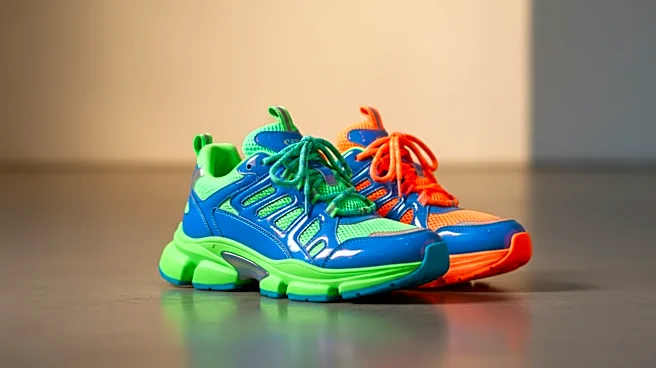
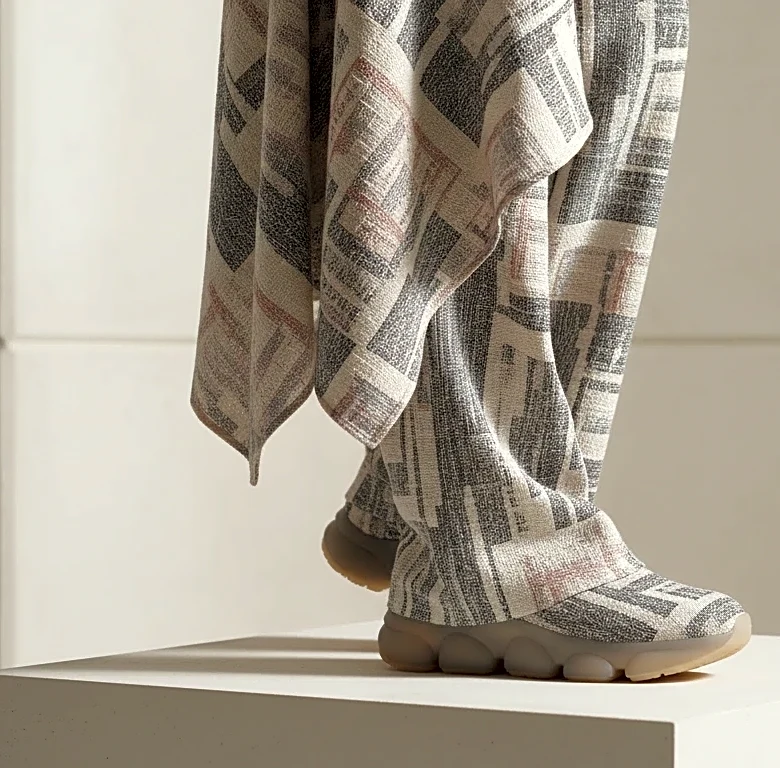
A frequent misstep is choosing accessories that are contextually wrong, even if they're nice on their own. It's about matching the spirit of the outfit. For instance, pairing delicate, ornate evening jewelry with rugged denim and a casual top can create a disconnect. The same goes for shoes; pairing chunky athletic sneakers with an otherwise cohesive smart casual look can break the entire line of the outfit. The accessory needs to speak the same language as the clothes. This doesn't mean you can't mix high and low, but the combination must feel intentional. A statement piece of jewelry, for example, works best with casual clothes when the rest of the look is kept simple, allowing the contrast to feel purposeful.
Stop Buying Items, Start Building a System
The solution isn't to buy more accessories. It's to buy them more strategically. Instead of purchasing random pieces you like, think about building a small, cohesive 'accessory system' that works with your core wardrobe. Start by identifying your most-worn casual outfits and build from there. The goal is to own a handful of versatile, high-quality items that you can mix and match to complete a look without having to think too hard. This approach values quality and versatility over quantity and trends, ensuring you always have the right finishing touch.
Your Starting Accessory Toolkit
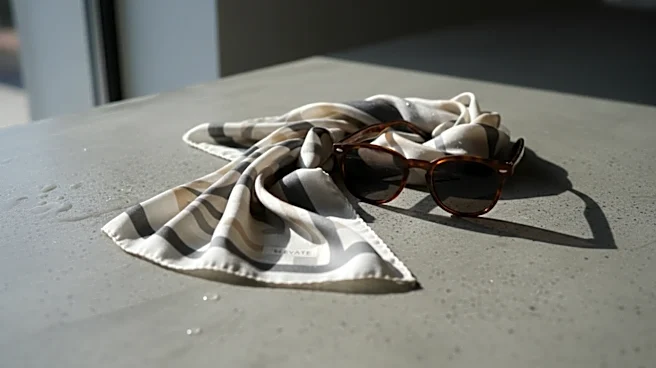
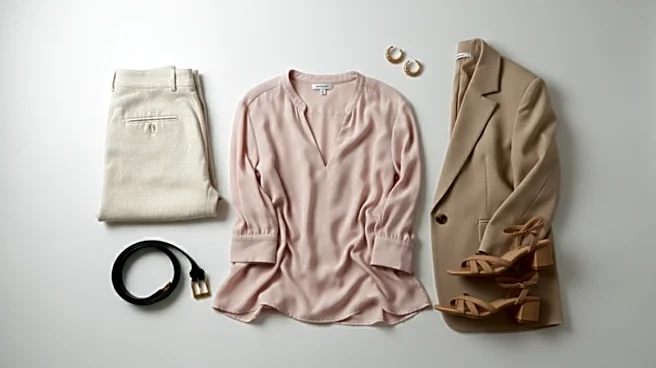
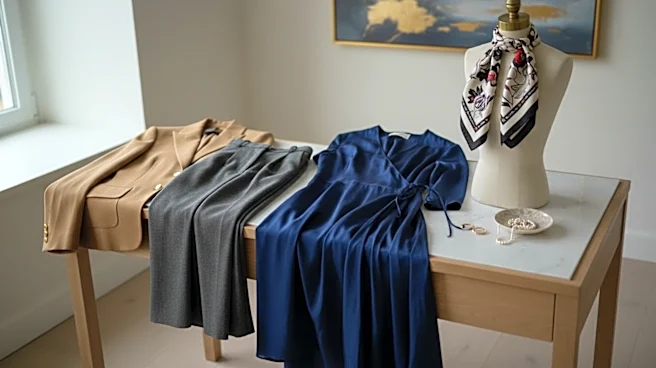
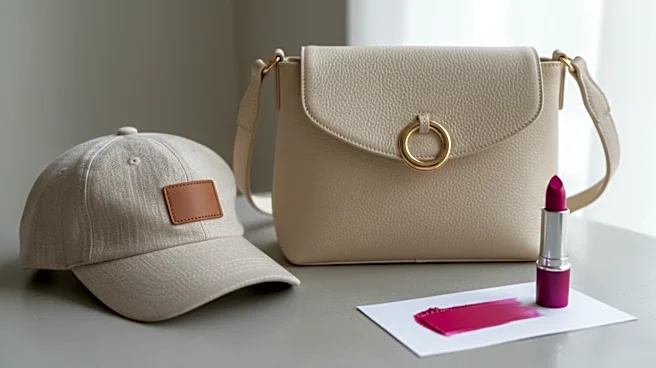
If you're building from scratch, focus on versatile classics. Begin with a quality leather belt in a neutral brown or black; it can define the waist and add polish to jeans or a simple dress. Add a classic watch or a simple bracelet for daily wear. For jewelry, a pair of simple gold or silver hoops and a delicate chain necklace are foundational pieces that work with almost any neckline. A well-structured handbag provides both function and a point of visual interest. Finally, consider a versatile scarf or bandana, which can add a pop of color or pattern to your neck, hair, or even tied to a bag. Owning just a few of these key pieces gives you an arsenal of options to elevate your everyday basics.