




The Unmistakable '80s Power Shoulder
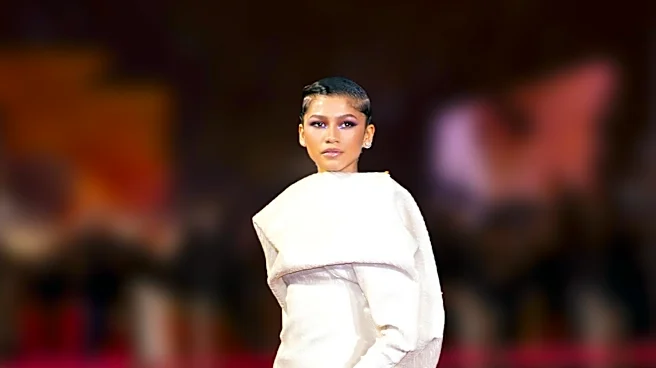
From the dramatic stages of New Wave music to the high-stakes boardrooms of corporate America, the 1980s were defined by a single, powerful shape: the inverted triangle. This silhouette, characterized by massively exaggerated and padded shoulders that
tapered down to a narrow waist, was the backbone of so-called "power dressing". Designers like Claude Montana, nicknamed the "King of the Shoulder Pad," and Thierry Mugler championed this aggressive, futuristic look. Their evening wear transformed the female form into a statuesque, almost architectural figure, using leather, sharp tailoring, and, of course, shoulder pads that seemed to grow larger each season. This wasn't just fashion; it was a statement of presence, a way for women to take up space in a world they were conquering on new terms.
A Flashback to the 1940s
To find the origins of this formidable shape, one has to rewind about four decades. The 1940s, a period defined by global conflict and its aftermath, introduced a remarkably similar silhouette for very different reasons. During World War II, as women entered the workforce in unprecedented numbers, their clothing adopted a more practical, military-inspired structure. Fashion featured squared, padded shoulders, narrow hips, and knee-length skirts. This wasn't about glamour, but utility and strength. The look was popularized in Hollywood by costume designer Adrian, who famously accentuated actress Joan Crawford's already broad shoulders in films throughout the 1930s and '40s. This created a lasting image of a strong, resilient woman, establishing a visual language of female power that would lie dormant for decades.
Two Eras, One Shared Purpose
So why did the '80s look back to the '40s? The answer lies in cultural parallels. Both eras saw significant shifts in women's roles in society. The 1940s woman stepped into factories and offices out of wartime necessity, her clothing reflecting a newfound public and professional responsibility. Similarly, the 1980s heralded the rise of the career woman, who was breaking into male-dominated corporate and political arenas. The power suit, with its imposing shoulders, became her armor—a way to project authority and demand to be taken seriously. The silhouette was a visual rejection of the softer, more fluid hippie aesthetic of the 1970s, much like the structured '40s look was a departure from the slinky bias-cut dresses of the 1930s. In both decades, the broad-shouldered look was a tool for empowerment.
From Silver Screen Stars to New Wave Idols
The torchbearers of the trend were the pop culture icons of their day. In the '40s, actresses like Joan Crawford and Greta Garbo brought the strong-shouldered look to the masses, making it synonymous with Hollywood glamour and grit. Fast forward to the '80s, and it was musicians like Grace Jones and Annie Lennox, along with television characters like Alexis Carrington from "Dynasty," who embodied the new era of power dressing. These figures were bold, often androgynous, and visually arresting. Designers like Montana and Mugler were creating not just clothes, but entire personas for a generation of women who were done playing by the old rules. The silhouette they revived was no longer just about wartime rationing; it was about opulence, ambition, and a futuristic vision of femininity.