



1. The Quality of the Leather
The first thing a trained eye notices is the leather itself. Is it full-grain or top-grain? Full-grain leather, the highest quality, retains the natural texture of the hide, complete with minor imperfections that give it character. It’s durable and develops
a beautiful patina over time. Top-grain leather is smoother and more uniform because the surface has been sanded, making it softer out of the box but sacrificing some of the long-term durability and unique aging of full-grain. An editor can spot the difference from a few feet away.
2. The Subtlety of the Stitching
Mass-produced sneakers often use glue, a method known as cemented construction. A high-quality court sneaker, however, often features visible stitching connecting the upper to the sole. This isn't just for show; a stitched sole is a hallmark of superior craftsmanship, durability, and repairability. Editors look for tight, even, and clean stitch lines. Bonus points are awarded for a Blake stitch construction, an Italian method that creates a sleeker, more flexible profile than heavier Goodyear welting.
3. The Shape of the Silhouette
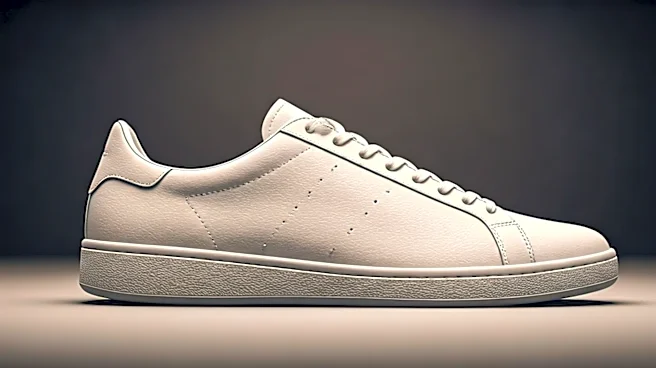
Not all sneakers are created equal in shape. Is the silhouette sleek and low-profile, or is it chunky and trend-driven? For an event like Wimbledon, elegance trumps trends. A slim, refined silhouette that echoes the classic tennis shoes of the past is the preferred choice. It should complement, not dominate, an outfit. This clean profile is more versatile, pairing as easily with tailored chinos as it does with a summer dress.
4. The Absence of Loud Branding
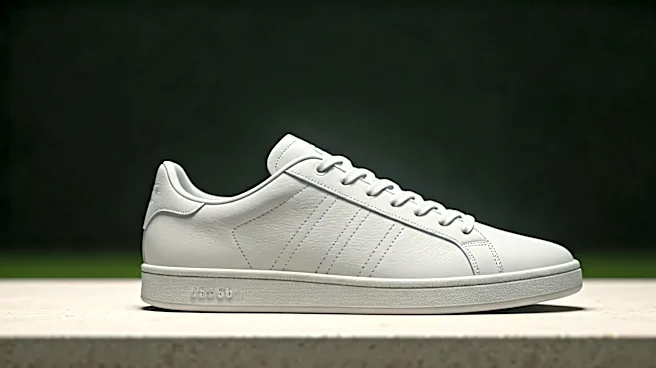
In the world of luxury, quiet confidence is key. Editors notice what isn't there: big, flashy logos. The most sophisticated court sneakers rely on their silhouette and materials to make a statement. Branding is often minimal—a subtle blind emboss, a small logo on the heel tab, or a signature string of numbers. This restraint signals that the shoe's value is in its quality, not its marketing. At Wimbledon, where sartorial rules are unspoken but understood, less is always more.
5. The Quality of the Sole
An expert looks beyond the upper to the sole. Is it a generic, lightweight foam or a substantial, natural rubber? High-end sneakers often use stitched cup soles, where the rubber 'cups' the bottom of the leather upper for a more robust connection. The color matters, too. A pure, uniform white or a tasteful off-white is the goal. A gum sole can look distracting and is generally avoided in favor of a clean, all-white look for maximum versatility and sharpness.
6. The Interior Lining
What’s inside counts just as much as what's outside. Mass-market sneakers often use synthetic or textile linings which can trap moisture. A luxury court sneaker is almost always fully lined with soft, breathable leather, often calfskin. A full leather lining not only feels more comfortable against the foot but also helps manage moisture, lasts longer, and molds to your foot over time for a custom-like fit. It's a detail you feel more than you see, but it's a non-negotiable mark of quality.
7. The Purity of the White
There are a thousand shades of white, and editors notice the specific choice. Is it a cold, optic white that can sometimes look harsh, or a softer, more natural off-white or cream? Consistency is key. On a premium sneaker, the leather, the stitching, and the rubber sole should all be tonally consistent. Nothing cheapens a shoe faster than mismatched whites, which can suggest different components sourced from different, lower-quality suppliers. Spotless presentation is also crucial.
8. The Finish on the Hardware
The small parts make a big difference. This includes the eyelets for the laces. Are they simply punched holes that can stretch over time? Or are they reinforced with subtle metal grommets? If so, what is the finish on that metal? A matte silver or tonal painted finish shows attention to detail. Likewise, the laces themselves are scrutinized. Flimsy polyester laces are a giveaway of cost-cutting; premium sneakers will often come with waxed cotton laces that hold a knot better and have a more substantial feel.
9. The Heel and Collar Construction
The area around the ankle is a key indicator of comfort and craftsmanship. A well-made sneaker will have a thoughtfully padded collar that provides comfort without adding bulk. The heel tab, often a place for that subtle branding, should be cleanly integrated. Editors check the shape and the finishing. Is the padding smoothly covered? Is the stitching that joins it to the body of the shoe flawless? These small structural elements are crucial for both the shoe’s comfort and its overall lifespan.