




Your Ticket Isn't a Contract
Let’s get the biggest hurdle out of the way: you spent money on this. Maybe it was an expensive festival pass or a coveted ticket to a sold-out show. The guilt of wasting that money can chain you to the floor long after you’ve stopped having fun. This
is a classic case of the sunk cost fallacy, an irrational tendency to stick with something because you’ve already invested time or money in it. But here’s the reality: that money is already spent. It's gone whether you stay and have a miserable time or leave to find something better. Forcing yourself to endure a performance that isn’t connecting with you doesn't get your money back; it only costs you something more valuable: your time and your peace of mind. Think of it this way: your ticket bought you an opportunity, not an obligation. It gave you access to an experience, and you have every right to decide if that experience is serving you.
Trust Your Gut, Not Just the Hype
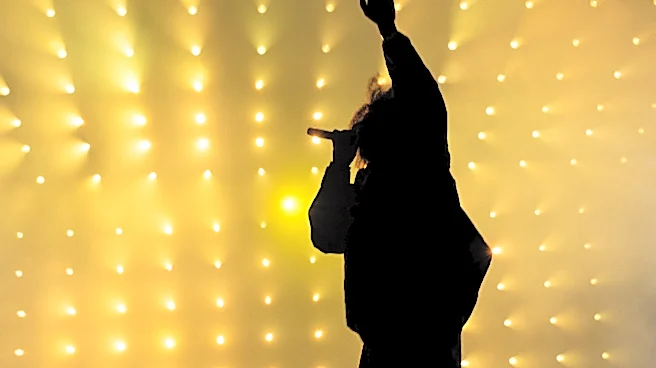
What even is a “vibe,” anyway? It’s that intangible energy that makes a live show magical. It can be a mix of the artist’s performance, the crowd’s energy, the sound quality, or even your own mood. When it's off, you feel it. Maybe the artist seems disengaged, the crowd is pushy, or the music just isn’t hitting the way you’d hoped. Social media and pre-show hype can create massive expectations, and it's easy to feel like you're the only one not getting it. But you don’t have to enjoy something just because everyone else seems to. Acknowledging that the vibe is wrong isn't a failure on your part; it's an act of self-awareness. Your internal radar is a powerful tool. If it’s telling you that you’re drained, anxious, or just plain bored, it’s worth listening to. There's no point in trying to force a connection that isn't there.
The Art of the Graceful Exit
So, you’ve decided to bounce. How do you do it without feeling like you’re disrupting the show for everyone else? The key is to be discreet. If possible, wait for a natural pause between songs. There’s no need to make a grand announcement. A quiet exit, often called an “Irish goodbye,” is perfectly acceptable at a large, impersonal event like a concert or festival. If you’re in a crowded area, a simple and polite “excuse me” is all you need as you make your way out. At a music festival with multiple stages, leaving one set is often just part of the experience. Many festival veterans drift from stage to stage, exploring different sounds until they find what clicks. Don't overthink it; people are focused on the performance, not on who is coming and going. The goal is to minimize your impact on others while maximizing your own chance for a better night.
What You Gain by Leaving
Leaving a set early isn’t a loss; it’s an opportunity. At a festival, dipping out of a lackluster performance frees you up to discover a new artist on a smaller stage who might just become your next favorite. You could grab food without a massive line, find your friends at another set, or simply take a break to recharge. Even at a single-artist concert, leaving early can mean beating the soul-crushing traffic and ride-share surge pricing that inevitably follows the encore. More importantly, you reclaim control over your own entertainment. You spent your money and your free time to have a good experience. By choosing to leave, you’re honoring that. You’re curating your night, prioritizing joy and genuine connection over a sense of obligation. It’s a powerful reminder that you are in charge of your own fun.