

Design at Its Purest
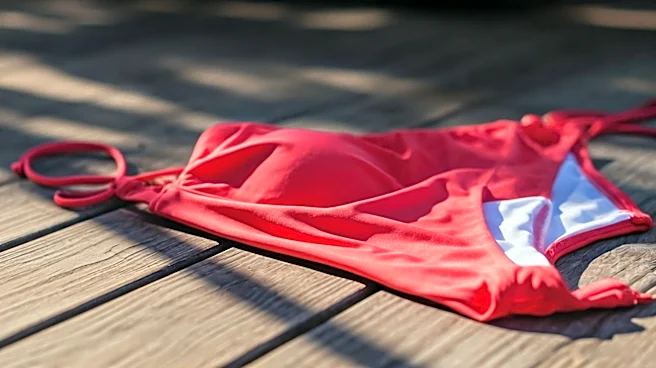
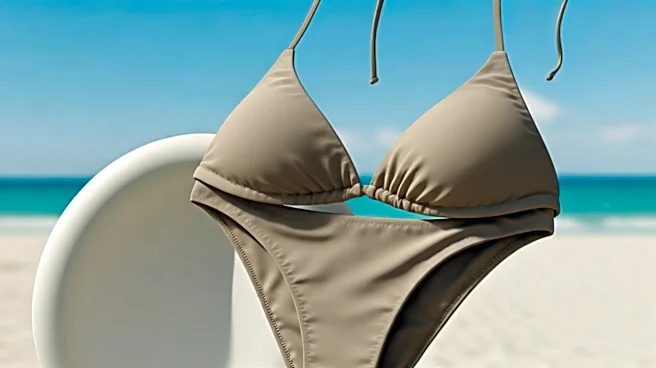
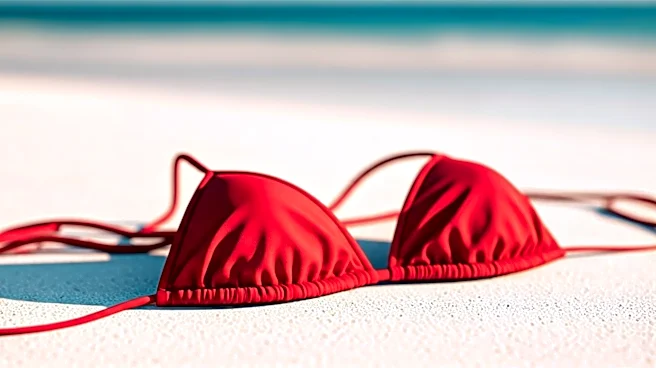
The secret to the triangle bikini's longevity starts with its radical simplicity. At its core, it’s just two triangular pieces of fabric and three lengths of string. There are no underwires, no molded cups, no complex architecture. This minimalism is its greatest
strength. It’s a design reduced to its absolute essence, a blank canvas that can be endlessly reinterpreted through color, pattern, and texture. This elemental form makes it timeless. While other swimwear styles are tied to specific eras—the high-waisted bottoms of the 50s, the high-cut legs of the 80s—the triangle top floats above the trend cycle. It’s so simple that it’s almost impossible to date, looking as relevant on a beach in 1973 as it does on Instagram today.
A Symbol of Liberation
When the modern two-piece bikini first scandalized the world in 1946, it was a symbol of post-war liberation. The triangle bikini, which gained popularity in the 60s and 70s, took that spirit a step further. It emerged alongside second-wave feminism and the sexual revolution, becoming an emblem of a new kind of bodily autonomy. It wasn't just about tanning; it was about freedom. Unlike the more structured, almost corset-like swimwear that preceded it, the triangle bikini was soft, unrestrictive, and playful. It represented a cultural shift away from prescribed notions of femininity and toward a more relaxed, confident, and sun-kissed ideal. Wearing one was, and in some ways still is, a small act of rebellion against being told how to cover up.
The Pop Culture Seal of Approval
An item doesn’t become an icon without help from Hollywood. The triangle bikini’s status was cemented by a series of unforgettable pop culture moments. While Ursula Andress’s belted white bikini in 1962’s *Dr. No* kicked off the Bond girl swimsuit tradition, it was the string bikinis of the 70s and 80s that truly defined an era. Think of the countless sun-drenched films and posters of the time. The Sports Illustrated Swimsuit Issue, which launched in 1964, made supermodels household names, often by putting them in minimalist triangle tops. These images didn’t just sell magazines; they sold an aspirational lifestyle of glamour, confidence, and perpetual vacation. The triangle bikini became shorthand for the ultimate beach bombshell, a powerful association that endures to this day.
Ultimate Customization and Practicality
Beyond the cultural symbolism, there’s a practical reason for the triangle top’s staying power: its adjustability. The sliding triangles and simple tie-strings offer a level of customization that most other bikini styles can’t match. The wearer can adjust the coverage, the position of the cups, and the tightness of the fit around both the neck and back. This adaptability makes it surprisingly versatile for a wide range of body types, contrary to the myth that it only works for one specific figure. Want more coverage? Slide the triangles apart. Need more support? Tie the strings tighter. This user-friendly design ensures a comfortable, personalized fit, which is a major factor in why people keep coming back to it. Plus, the minimal fabric means it dries quickly and is easy to pack—a simple, functional solution for a day by the water.
Still Thriving in the Digital Age
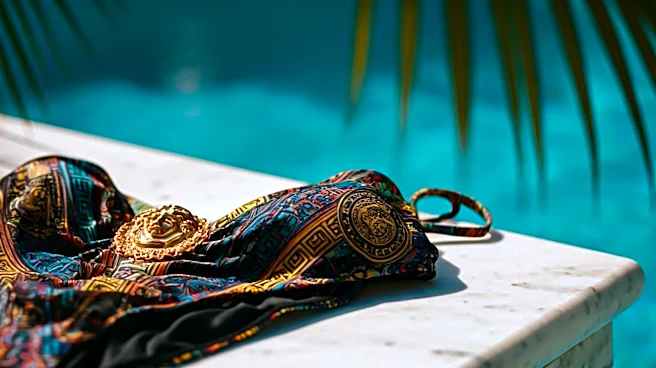
In the 21st century, the triangle bikini has found a new stage: social media. Its simple, flattering lines and minimal coverage are perfectly suited to the visual language of Instagram. It’s the unofficial uniform of influencers, vacation selfies, and the “hot girl summer” aesthetic. The design frames the body without overwhelming it, making it an ideal choice for a photo op. Every year, brands release the classic shape in new neon hues, animal prints, and glittery fabrics, ensuring it feels fresh while remaining fundamentally unchanged. It has become a kind of default—the starting point for any swimwear collection and the go-to choice for millions. Its ability to constantly be renewed while staying true to its original form proves its design genius.