


The Science of the Roar
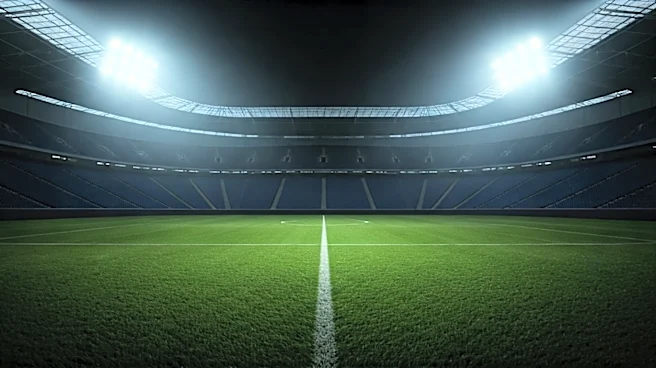
On paper, the benefits of playing at home are undeniable and statistically proven across every major sport. Teams simply win more often in their own buildings. The reasons seem obvious: no grueling travel, sleeping in your own bed, and total familiarity with the quirks of the playing surface. But the most potent ingredient is the crowd. A roaring, unified fanbase can feel like a force of nature, what football fans call the “12th Man.” This isn't just a feeling; it has a measurable impact. Studies have shown that referees, consciously or not, are swayed by home crowds, leading to fewer penalties called against the home team. Psychologically, this phenomenon is linked to “social facilitation,” where the presence of a supportive audience enhances
performance on well-mastered, simple, or physical tasks. For an athlete, that wave of sound can provide a tangible adrenaline boost, making you feel faster, stronger, and invincible.
The Weight of Expectation
So if the crowd is such a powerful ally, why do so many teams falter in crucial home games? This is the paradox. The same fans who lift you up can become an anchor of pressure. The energy in the stadium is conditional. When things are going well, it’s a chorus of support. But when the home team starts to struggle—a few turnovers, a missed open shot, a strikeout with runners in scoring position—that supportive roar quickly curdles into a collective groan of anxiety and frustration. Players feel this shift instantly. The implicit message from the stands becomes: “You’re supposed to win. Don’t let us down.” This is where the brain can betray the body. Instead of playing on instinct, athletes start thinking, a cardinal sin in elite sports. This over-analysis of well-practiced motor skills is the classic recipe for “choking under pressure.” Every muscle tightens, and every decision feels monumental.
When Intimacy Becomes a Burden
Playing at home isn't just about anonymous fans; it’s about playing in front of your community, your friends, and your family. The very comforts of home can become sources of distraction and mental strain. The pressure isn't just to win for the jersey; it's to avoid the personal embarrassment of failing in front of everyone you know. While the visiting team is a self-contained unit isolated in a hotel, focused only on the game, the home player has to manage ticket requests, navigate post-game family dinners, and face their neighbors at the grocery store the next day. This social pressure adds another layer of mental baggage. The desire not to *disappoint* can become a more powerful, and ultimately more destructive, motivator than the desire to *win*. It shifts the focus from execution to outcome, a mental trap that often leads to the very failure an athlete is trying to avoid.
The Anatomy of a Home Collapse
Imagine a decisive Game 7. The home team, after a great season, has earned the right to play for the championship on its own court. The building is electric. But the visitors, playing with house money and a simplified “us against the world” mentality, score the first few baskets. The home team looks a little tight. A star player misses two free throws. The crowd’s roar becomes a murmur of concern. A bad turnover leads to an easy fast break for the other team. Now, the groans are audible. You can see the home players looking at each other, their movements becoming less fluid. They’re no longer playing the opponent; they’re fighting the moment, the crowd’s anxiety, and their own spiraling thoughts. This is how the home-field advantage evaporates. It’s a psychological contagion, where the panic of the crowd infects the players on the field, creating a self-fulfilling prophecy of defeat.