



The Physics of Shine
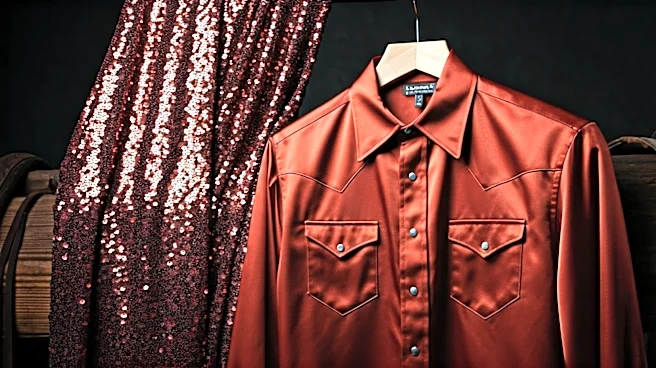
At its core, the difference comes down to how each material plays with light. Satin is a weave, not a fiber, known for its smooth, lustrous surface. When light hits a satin shirt, it scatters across the fabric, creating a soft, broad sheen. Think of it like
the gentle glow of a frosted lightbulb. This diffused reflection highlights the contours of the body and the drape of the shirt, adding depth and dimension without creating harsh hot spots. It suggests richness and movement. Sequins, on the other hand, are tiny, individual mirrors. Each one catches the light and fires it back as a hard, concentrated point—a specular highlight. In a photograph, a sequined shirt doesn't create a cohesive glow; it creates hundreds of distracting, flashing pinpricks of light. It’s less like a soft glow and more like a disco ball, which can overwhelm a camera’s sensor and flatten the overall image.
A Question of Authenticity
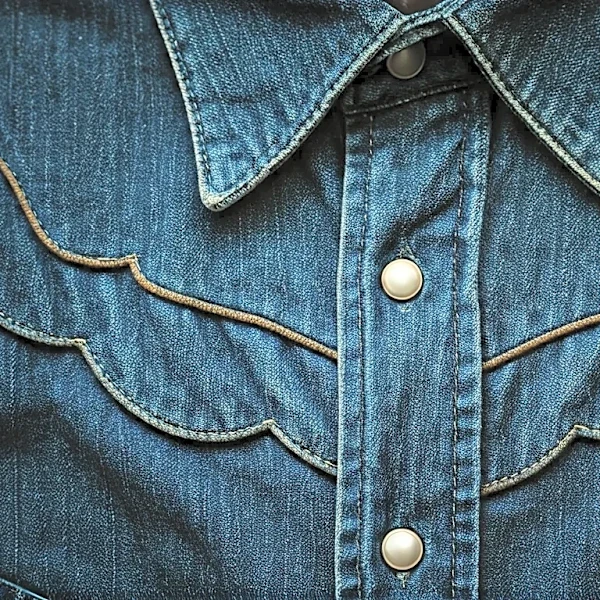
The Western shirt has a rich history rooted in practicality and, later, performance. The classic snap-front shirts worn by rodeo riders and country music stars of the mid-20th century were often made of sateen, rayon, or silk satin. Think of Gene Autry or Roy Rogers. The subtle shine was part of the stagecraft, designed to catch the lights and make the performer pop, but it was born from within the genre. The material felt like an elevated version of a workwear staple. Sequins, however, have a different cultural history. They’re more closely associated with 70s disco, pop-star glam, and Las Vegas showgirls. While undeniably eye-catching, they don’t have deep roots in authentic Western heritage. When applied to a Western silhouette, sequins can feel like an outside element grafted on, rather than an organic part of the style. This makes the outfit read more like a novelty hybrid—a "disco cowboy" costume—than a thoughtful aesthetic choice.
The Camera’s Unforgiving Eye
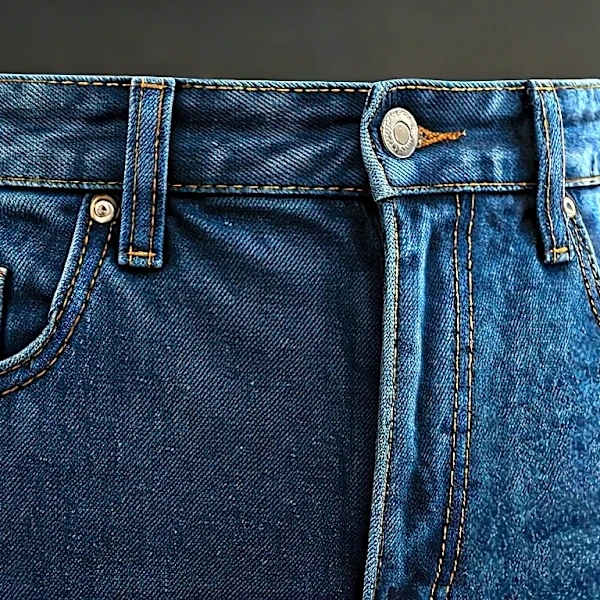
Photographically, satin is a team player, while sequins are a demanding soloist. Because satin’s sheen is soft and continuous, it photographs beautifully, adding a touch of luxury without stealing the show. It works harmoniously with other textures common in Western wear, like denim, leather, and suede. A camera can easily capture the subtle interplay between the soft gleam of the shirt and the matte texture of a pair of jeans. Sequins create a high-contrast nightmare. A camera’s sensor struggles to expose for both the dark areas of the shirt and the intensely bright, almost-white reflections from the sequins. This often results in “blown-out” highlights where all detail is lost, or distracting lens flares. The shirt ceases to be a garment and becomes a technical problem for the camera to solve, drawing the viewer's eye away from the person wearing it.
Telling a Story with Texture
A great outfit tells a story, and texture is a key part of the vocabulary. A satin Western shirt tells a story of romanticized Americana, of stage lights and dusky horizons. Its texture is complex—smooth but not jarring, shiny but not cheap. It invites the eye to appreciate the cut of the shirt and the way it moves. It complements the narrative of the tough-but-tender cowboy archetype. Sequins tell a much simpler, louder story: “Look at me!” They dominate the narrative. It’s difficult to appreciate the pearl snaps, the yoke construction, or the pointed collar of a Western shirt when it’s covered in a field of glittering plastic. The sequins become the entire personality of the garment, overriding the subtle codes and historical references that make Western wear so compelling. The result is an outfit that feels one-dimensional and, ultimately, more like a costume designed for a single, loud purpose.