






Meet the Man, Behold the Coat
Oliver Putnam, the endlessly optimistic and financially flailing Broadway director played with magnificent flair by Martin Short, makes his presence known. Even when his grand schemes are crumbling, his sartorial choices scream “showtime!” Central to this
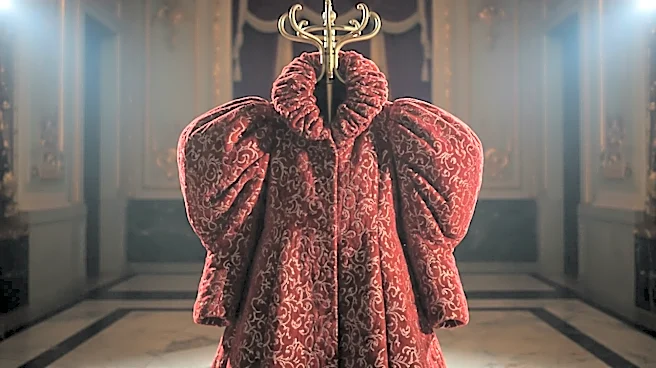
performance is his rotation of dramatic, often theatrical coats. From plush, jewel-toned wool to bold, patterned trenches, these aren't merely garments to ward off a New York chill. They are declarations. They are, as costume designer Dana Covarrubias has essentially confirmed, a core part of his identity. Oliver uses his clothing as a performance, a way to project the larger-than-life impresario he knows himself to be, even if his bank account tells a different story.
The Punchline: A Walking Sight Gag
Let's be honest: the coats are often hilarious. There's a comedic brilliance to seeing the diminutive Short enveloped in a spectacularly oversized coat, striding through the Arconia as if he’s about to accept a Tony. The patterns can be audacious, the colors—like a particularly memorable royal purple number—are defiantly bright. The comedy works because the show allows us to be in on the joke. The coats are a visual punchline that underscores Oliver’s desperation. They are too much, too loud, too fancy for a man whose primary diet consists of dips. This gap between his presentation and his reality is a constant source of gentle humor. He is a caricature of the struggling artist, and his wardrobe is his most loyal accomplice.
The Power Move: Armor for the Ages
But to dismiss the coats as just a gag is to miss their deeper function. They are also an undeniable power move. For Oliver, fashion is armor. Each coat is a relic from a more successful past or a hopeful investment in a future comeback. Covarrubias has explained that she sourced many of his high-end pieces from consignment shops, building the narrative that Oliver had a heyday when he could afford luxury goods and has meticulously maintained them ever since. When he puts on a coat to meet a potential investor, he's not just getting dressed; he's suiting up for battle. The coat hides, as the old saying goes, a multitude of sins—or in Oliver’s case, a mountain of credit card debt. It’s an act of self-invention, a refusal to be defined by his failures. He dresses not for the job he has, but for the one he’s certain is just around the corner.
A Masterclass in Character
The true genius of Oliver's wardrobe is how these two functions—punchline and power move—are inextricably linked. The coats are funny because they are such a transparent power move. We see the effort, the performance, the sheer will it takes for him to project an aura of success when his world is anything but. That’s where the heart of the character lies. Martin Short himself was reportedly careful to ensure the costumes didn't become so over-the-top that they overshadowed the character's development. Instead, they enhance it. The coats are a visual metaphor for his defining trait: unbreakable, theatrical optimism. They are a security blanket and a billboard, a comfort and a performance. In a show that the crew jokingly calls a “show about coats,” Oliver's collection stands supreme.