






The Anchor of Red and Romance
Imagine a fashion world without Valentino Red. You can’t. That specific, vibrant shade of poppy-crimson is more than a color; it’s an identity. From the very beginning, Valentino Garavani wasn't interested in chasing every fleeting trend. While other
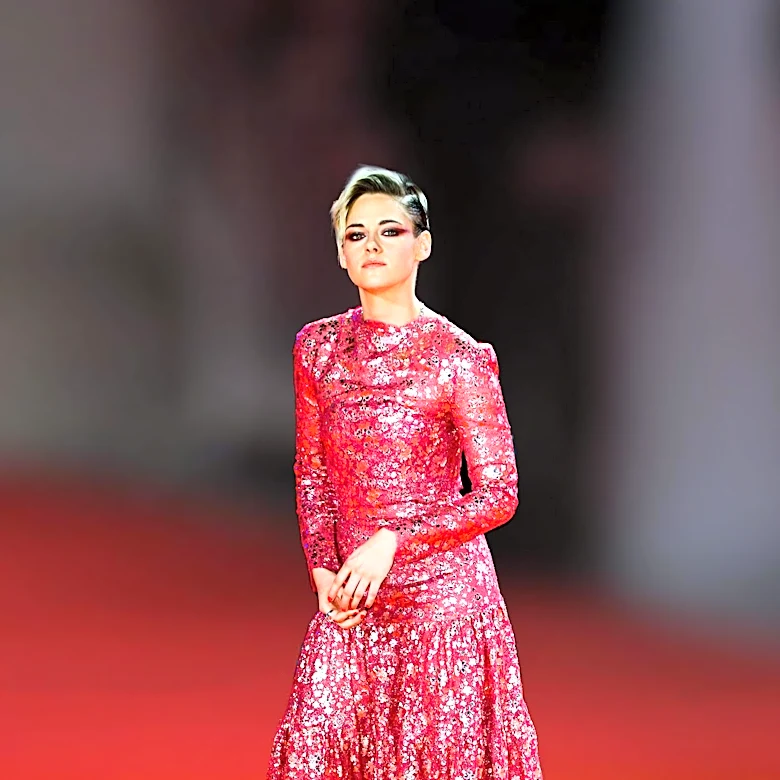
designers contorted themselves to fit the moment—from the minimalist wave of the 90s that prized austerity to the deconstructed grunge that followed—Valentino remained devoted to a core belief: making women look and feel beautiful. His anchor was a romantic, unapologetic glamour. This wasn't a stubborn refusal to change, but a deep understanding of brand power. When the market screamed for beige, he offered breathtaking red gowns. When others celebrated androgyny, he doubled down on feminine silhouettes, lace, and ruffles. This unwavering commitment to a specific aesthetic created a powerful, recognizable signature. Clients knew what they were getting from Valentino: timeless elegance and craftsmanship. That consistency became a safe harbor for consumers overwhelmed by the relentless churn of newness, ensuring the brand didn't just survive trend cycles but transcended them.
The Business of Being Valentino
Behind every great artist is often a brilliant operator, and for Valentino Garavani, that was Giancarlo Giammetti. The two were lifelong partners in business and in life, a union that formed the bedrock of the brand's global success. While Valentino sketched the dream, Giammetti built the empire. He possessed the business acumen to transform a Roman couture house into a worldwide luxury powerhouse, expanding into ready-to-wear, accessories, and fragrances that made the Valentino dream accessible to a broader audience. This partnership was crucial. Many founder-led brands falter because the creative genius is not a business genius. Giammetti’s strategic mind allowed Valentino the freedom to create without being bogged down by logistics, balance sheets, or expansion plans. They understood early on that a powerful brand required both artistic integrity and commercial discipline. This balanced approach allowed them to professionalize and scale in a way that many of their contemporaries, who were purely artists, simply could not, protecting the house from the financial instability that has buried so many creative ventures.
The Art of a Graceful Succession
One of the most difficult trend cycles for a brand to survive is the departure of its iconic founder. When Valentino Garavani retired in 2007, the fashion world held its breath. This is often where a brand's story ends or loses its way. But Valentino executed one of the most successful successions in modern fashion history. After a brief interim period, the reins were handed to Pierpaolo Piccioli (initially with Maria Grazia Chiuri). Piccioli did something remarkable: he revered the house's DNA without being imprisoned by it. He understood that the core of Valentino was emotion, romance, and couture-level artistry. He kept the elegance but infused it with a modern, inclusive sensibility. His tenure saw the introduction of the blockbuster 'Rockstud' accessories that drove revenues past the billion-dollar mark and the viral 'PP Pink' collection that painted the industry in a new signature color. Piccioli’s 25-year journey at the house, which concluded in 2024, proved that a legacy brand could evolve and stay culturally relevant without disowning its past, a final masterstroke in ensuring Valentino outlasted not just trends, but even its own creator.