





The Power Brokers: NY, LA, Dallas
The final will unfold at MetLife Stadium in New Jersey, a venue built to serve two NFL teams and host global mega-events. Its selection over Dallas was a surprise to some, but it cements the New York/New Jersey area as the tournament's ultimate center
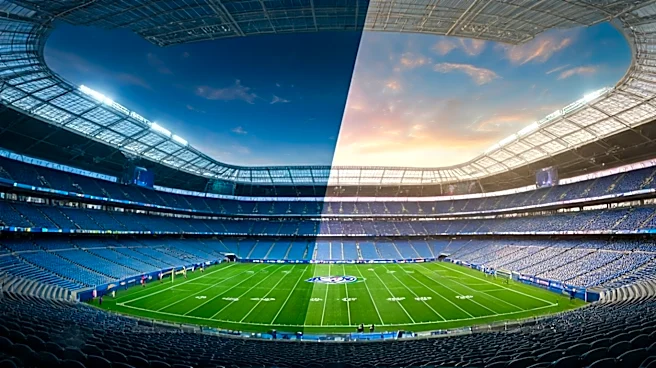
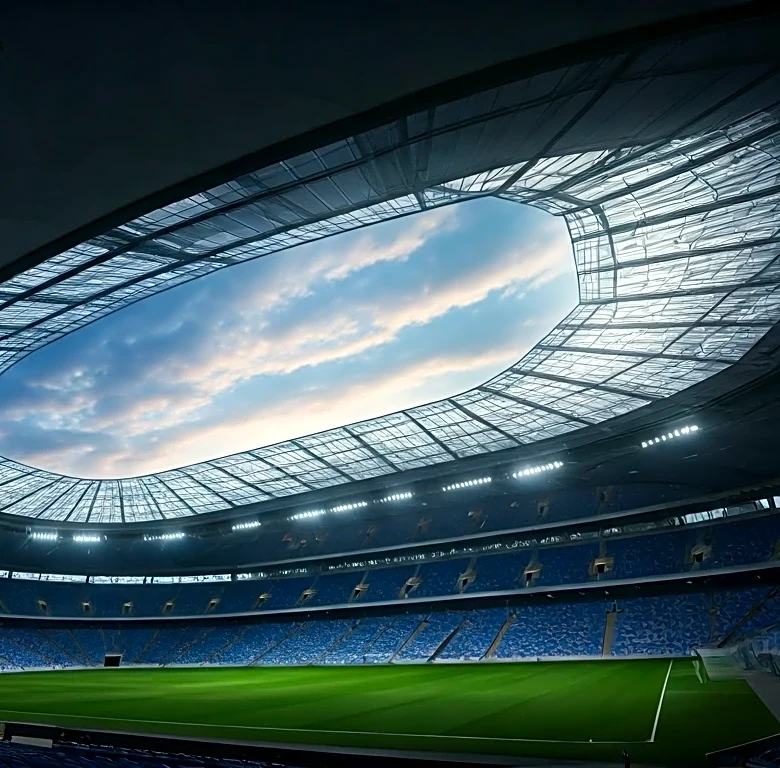
of gravity. Across the country, Los Angeles' SoFi Stadium adds a dose of Hollywood spectacle. The $5 billion marvel, with its translucent roof and massive wrap-around video board, will host the U.S. Men's National Team's opening match. Meanwhile, Dallas' AT&T Stadium, an architectural behemoth that holds over 90,000, will host the most matches of any venue—a staggering nine games, including a semifinal. These three cities aren't just hosts; they are statements of ambition, promising a World Cup defined by modern grandeur and scale.
The Soccer Cathedrals: Mexico City & The Hotbeds
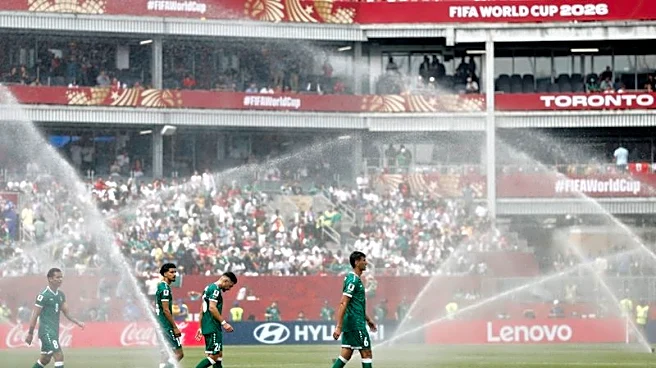
History breathes at Mexico City's Estadio Azteca. As the first stadium to host matches in three separate World Cups, its legacy is unmatched. This is the ground where Pelé and Diego Maradona lifted the trophy, and it will host the tournament's opening match. The venue is a temple of football, offering an identity rooted in pure, uncut history. Further north, a different kind of passion fuels cities like Seattle and Kansas City. Seattle boasts a rabid fan base that has created an electric atmosphere for the USMNT matches, with reporters calling it the ultimate football city. Kansas City, which has boldly trademarked the name "The Soccer Capital of America," has a rich tradition of fan support and world-class facilities. Along with Toronto, these cities represent the authentic, beating heart of North American soccer culture.
The Cultural Crossroads: Miami, Vancouver & Bay Area
This World Cup will also have a distinct international flavor, embodied by its coastal hubs. Miami will transform Bayfront Park into a massive, 23-day FIFA Fan Festival, blending global soccer spirit with its signature Latin and Caribbean energy. On the Pacific coast, Vancouver offers a stunning backdrop of mountains and sea, though some reporters have noted a more subdued atmosphere compared to other host cities. In California, the San Francisco Bay Area—with matches held at Levi's Stadium in Santa Clara—brings its own mix of tech innovation and global culture to the fold. These cities provide more than just game venues; they offer a vibrant, multicultural experience where the tournament becomes a true global gathering.
The Expanding Frontier: Atlanta, Philly & More
Many of the U.S. host cities represent the sport's explosive growth. Atlanta's Mercedes-Benz Stadium, with its futuristic retractable roof, has already drawn huge, energetic crowds. Philadelphia is activating fan zones across the city, from Fairmount Park to the waterfront, ensuring the energy extends beyond the stadium. Cities like Boston, Houston, and the two other Mexican hosts, Guadalajara and Monterrey, complete a diverse map. Each adds a unique local texture, from Boston's rich sporting history to Houston's international population. Together, they tell a story not just of a single tournament, but of soccer's expanding footprint across the continent, promising a legacy that will endure long after the final whistle.